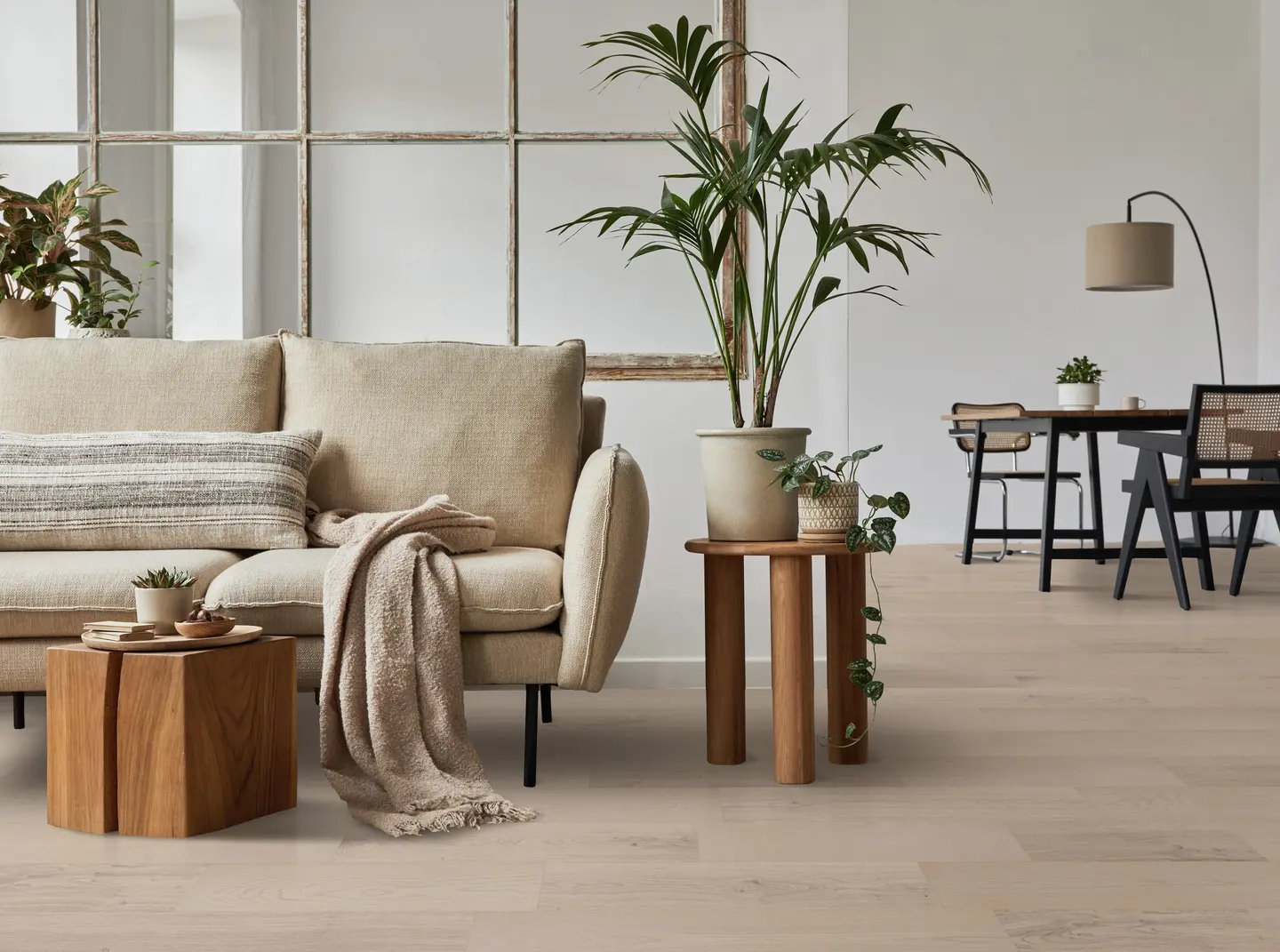
Is your hardwood floor quietly losing its luster — and could the cleaner under your sink be the reason? Most homeowners assume that wood floors are low-maintenance and treat them like any other surface, only to watch the finish dull, scratch, and cloud years before its time. The truth is that good hardwood floor maintenance is less about working harder and more about avoiding a short list of finish-killing mistakes. This guide gives you the exact room-by-room routine our Orlando designers recommend to keep real wood looking new for decades.
Your hardwood is one of the biggest investments in your home, and it should reward you with warmth and character for 25 years or more. You shouldn't have to gamble with mystery sprays or steam mops that secretly destroy the seal. Below, you'll learn the daily habits, the right pH-neutral products, the humidity targets that matter in Florida, and the difference between a quick recoat and a full refinish — so your floors stay beautiful and your warranty stays intact.
★ Key Takeaways
- Grit and sand are the #1 enemy of hardwood — daily dust-mopping and entry mats matter more than deep cleaning.
- Never steam-mop, wet-mop, or use vinegar, ammonia, or oil soap; stick to a pH-neutral hardwood cleaner and a barely damp microfiber.
- Hold indoor humidity at 35–55% to prevent the cupping and gapping that plague Florida hardwood floors.
- A screen-and-recoat every 3–5 years extends a floor's life far longer and cheaper than waiting for a full refinish.
Daily & Weekly Cleaning Routine
The foundation of hardwood floor maintenance isn't an occasional deep clean — it's a consistent, gentle routine that keeps abrasive particles off the surface. Every speck of sand, grit, and dirt that gets ground underfoot acts like microscopic sandpaper, wearing tiny scratches into your finish with each step. Stay ahead of it and your floors will look new for years longer.
Daily: Dust-Mop and Spot-Check
In entryways, kitchens, and hallways, run a microfiber dust mop or a soft broom daily. Microfiber clings to fine dust that a stiff broom scatters. Pay special attention to the first ten feet inside every exterior door — this is where the most grit lands. While you're at it, blot any spills immediately; standing water is hardwood's enemy even on a sealed floor.

Weekly: Vacuum and Damp-Mop
Once or twice a week, vacuum using a hard-floor setting with the beater bar (rotating brush) turned OFF — a spinning beater bar flings grit and can dent or scratch wood. Then damp-mop with a pH-neutral hardwood cleaner. The key word is damp, not wet: the mop head should feel barely moist to the touch, and the floor should dry within a minute or two. If you can see streaks of water sitting on the surface, you've used too much.
- Dust-mop daily in high-traffic zones to remove abrasive grit.
- Vacuum 1–2x weekly on a hard-floor setting, beater bar off.
- Damp-mop weekly with a pH-neutral cleaner and a wrung-out microfiber pad.
- Wipe spills the moment they happen — never let liquid sit in seams.
- Work in the direction of the planks to follow the grain and reach seams.
The Right Products — and What Destroys a Finish
This is where most well-meaning homeowners go wrong. The cleaning aisle is full of products that promise shine but quietly degrade a hardwood finish. Modern floors are sealed with polyurethane, water-based poly, or a hardwax oil — and each has cleaners that help it and cleaners that harm it. When in doubt, use the product your manufacturer recommends.
What to Use
Choose a pH-neutral cleaner formulated specifically for hardwood. Neutral pH (around 7) cleans without etching or stripping the finish. Apply it with a sprayer and microfiber pad rather than dumping it in a bucket — you'll use far less moisture. For hardwax-oil floors, use the soap recommended by that finish system, which actually nourishes the oil as it cleans.
What Never to Use
- Steam mops: heat and forced moisture drive water through the finish and seams, causing cupping and a cloudy, delaminated surface.
- Vinegar & ammonia: acidic and alkaline cleaners slowly dull and etch polyurethane, leaving a worn, hazy look over time.
- Oil soaps & "mop-and-shine" products: they leave a residue that builds up, attracts dirt, and prevents a future recoat from bonding.
- Bleach, all-purpose sprays & abrasive pads: harsh chemicals and scrubbing pads scratch and discolor the wear layer.
- Excess water of any kind: the single fastest way to ruin solid or engineered wood.
The reason this matters so much: residue and etching don't just look bad, they interfere with maintenance coats. A floor coated in oil-soap film can't accept a fresh top coat without an expensive deep strip first. Keeping the finish clean and bondable is what makes the inexpensive recoat-and-restore process possible down the road.
Humidity Control for Florida Homes
In Orlando, humidity is the variable that makes or breaks a hardwood floor. Wood is hygroscopic — it absorbs and releases moisture from the air, expanding when humid and contracting when dry. Central Florida regularly sees outdoor humidity above 70%, and the seasonal swings between muggy summers and air-conditioned interiors put real stress on wood planks.

The Target: 35–55% Relative Humidity
Keep your indoor relative humidity between 35% and 55% year-round. Too much moisture and the planks absorb water, swell, and cup (edges rise) or crown (centers rise). Too little — often from running AC nonstop — and the boards shrink, opening up visible gaps between planks. Both are avoidable.
- Run your HVAC consistently rather than cycling it off for long stretches when away.
- Add a dehumidifier in problem areas like enclosed porches, ground-floor rooms, or homes on slab.
- Use an inexpensive hygrometer to actually monitor the number — don't guess.
- Fix plumbing leaks, AC condensation, and exterior drainage issues promptly.
Florida's climate is exactly why so many homeowners weigh wood against other options. If a specific room is a chronic moisture trouble spot, our Florida humidity flooring guide walks through when a waterproof product makes more sense than solid wood.
Preventing Scratches, Dents & UV Fade
Most hardwood damage is preventable with a handful of cheap habits. Scratches, dents, and sun fade are the three issues that age a floor fastest, and each has a simple defense.
Scratches and Dents
- Felt pads under every furniture leg — and replace them every few months, because they collect grit and wear flat.
- Entry mats at every door to trap sand before it reaches the wood; this single step removes most abrasive debris.
- Trim pet nails regularly and keep an eye on dog runs near doors and windows.
- Never drag furniture — lift it, or use felt sliders. Avoid walking on wood in high heels or sports cleats.
- Use area rugs in walkways over a breathable pad to protect the highest-traffic paths.
UV Fade
Orlando's intense sun will fade and ambercolor unprotected wood over time. The fix is easy: rotate area rugs and furniture periodically so the floor ages evenly instead of developing a sharp line, and consider UV-filtering window film or sheer treatments on sun-facing windows. A floor that fades uniformly looks intentional; one with a rug-shaped bright patch looks neglected. Quality rug pads and trim accessories make this protection effortless.
When to Recoat vs Refinish
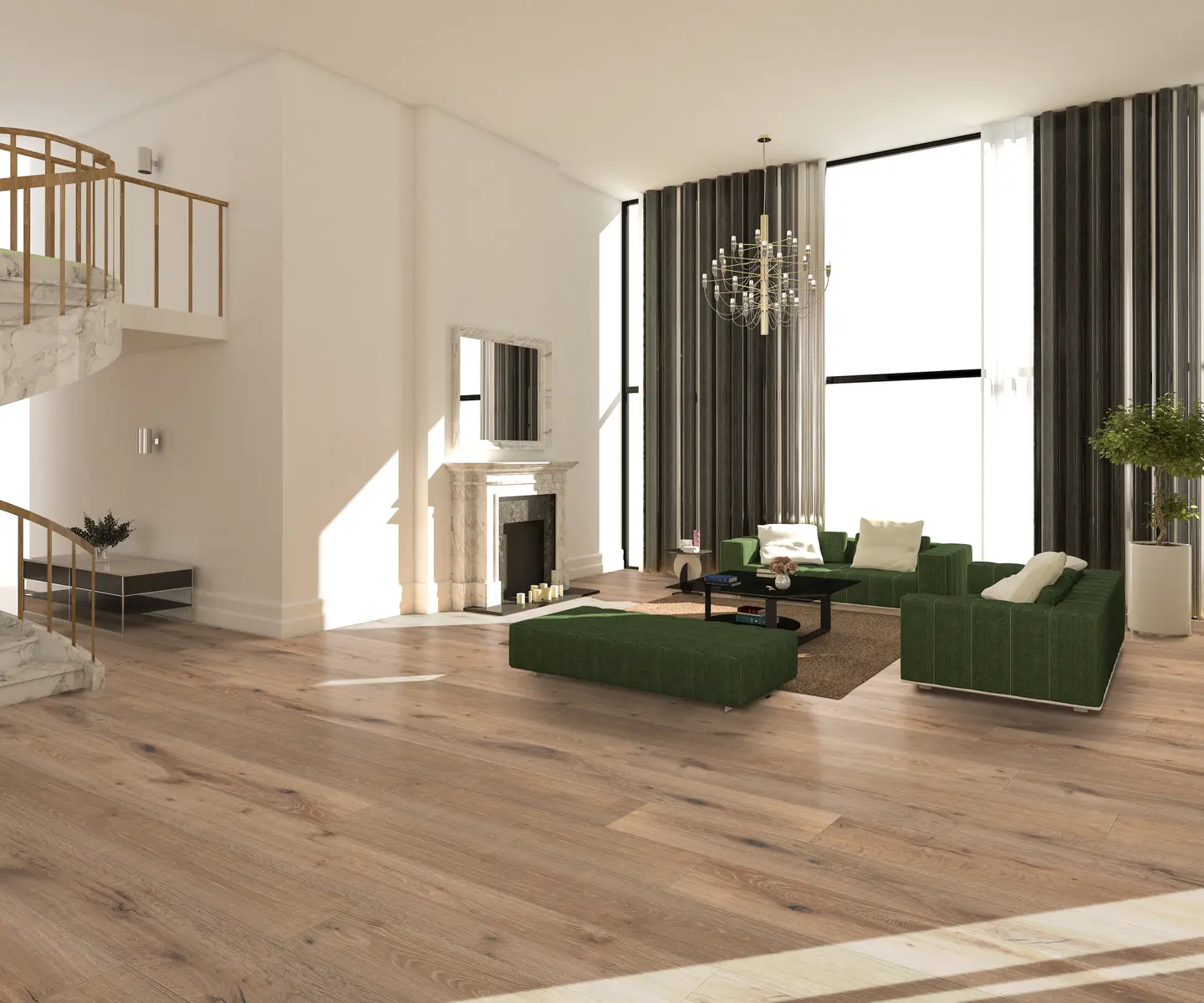
Even perfectly maintained floors will eventually show wear in traffic lanes. The good news is that wood is renewable — but there's a smart, cheap way to refresh it and an expensive last resort. Knowing the difference can add a decade to your floor's life.
Screen & Recoat (Every 3–5 Years)
A screen and recoat lightly abrades the existing finish with a fine screen and applies a fresh maintenance top coat — no sanding to bare wood. It's fast (often a single day), affordable, and dramatically restores sheen and protection. Done every 3–5 years before the finish wears through to the stain, it can keep a floor looking new almost indefinitely. This only works if the floor is clean and free of waxes and oil-soap residue — another reason product choice matters.
Full Sand & Refinish
A full refinish sands the floor down to raw wood to erase deep scratches, water stains, pet damage, or to change the stain color. It's far more involved, costlier, and creates dust and downtime. Importantly, a solid wood floor can only be sanded a limited number of times over its lifetime, so refinishing is something to reserve for when a recoat can't fix the damage. For a full cost breakdown, see our hardwood restoration guide.
The takeaway: maintain diligently, recoat proactively, and you may never need a full refinish at all. If your floors are past the recoat stage, our hardwood installation and restoration team can assess whether refinishing or replacement is the better value.
The Cavalieri Approach to Hardwood Care in Orlando
At Cavalieri Flooring, we've helped Central Florida homeowners care for every kind of wood floor — from wide-plank white oak to dense hickory and engineered European oak. Because we install and restore hardwood every day, we know exactly which products, humidity targets, and maintenance schedules keep floors performing in our climate, and we share that guidance with every client.
When you buy hardwood from us, we send you home with finish-specific care instructions and the right pH-neutral cleaner — not a generic spray that voids your warranty. We also offer screen-and-recoat and full refinishing services, and we'll always tell you honestly which one your floor actually needs. If you're browsing our hardwood collections for a new room, we'll match maintenance expectations to your lifestyle so you choose a floor you can keep beautiful.
Visit our showroom at 4301 36th St #101, Orlando, FL 32811, call (321) 424-0546, or request a free estimate online. Open Monday–Friday, 7:00 AM–5:00 PM & Saturday, 9:00 AM–3:00 PM.
Frequently Asked Questions
How often should I clean my hardwood floors?
Dust-mop or sweep daily in high-traffic areas to remove grit, which acts like sandpaper on the finish. Vacuum with a hard-floor setting (no beater bar) once or twice a week. Damp-mop with a pH-neutral hardwood cleaner every one to two weeks, or more often in busy households with kids and pets.
Can I use a steam mop on hardwood floors?
No. Never use a steam mop on hardwood. The heat and forced moisture penetrate the finish and seams, causing the wood to swell, cup, and the finish to cloud or delaminate. Steam-mop damage is one of the most common causes of voided hardwood warranties. Use a barely damp microfiber mop with a pH-neutral cleaner instead.
What is the best cleaner for hardwood floors?
Use a pH-neutral cleaner made specifically for hardwood floors, ideally the one recommended by your finish manufacturer. Avoid vinegar, ammonia, bleach, oil soaps, and all-purpose sprays. Vinegar and ammonia are acidic or alkaline enough to dull and etch a polyurethane finish over time, while oil soaps leave a residue that interferes with future recoating.
What humidity level is best for hardwood floors in Florida?
Keep indoor relative humidity between 35% and 55% year-round. Orlando's humidity regularly exceeds 70% outdoors, so run your HVAC consistently and add a dehumidifier in problem areas. Excess moisture causes planks to cup and crown, while overly dry air from constant AC can cause gapping. Stable humidity is the single biggest factor in long-term hardwood performance.
How do I prevent scratches on my hardwood floors?
Place felt pads under all furniture legs and replace them every few months. Use entry mats at every doorway to trap grit and sand before it reaches the floor. Keep pet nails trimmed, avoid walking in high heels or cleats, and never drag furniture. Area rugs with a breathable pad in walkways protect the highest-wear paths.
What is the difference between recoating and refinishing hardwood?
Recoating (screen and recoat) lightly abrades the existing finish and applies a fresh top coat without sanding to bare wood. It refreshes worn finish every 3 to 5 years and is far cheaper and faster. Refinishing sands the floor down to raw wood to remove deep scratches, stains, or to change color, and can only be done a limited number of times over a floor's life.
Are area rugs and mats safe on hardwood floors?
Yes, when you use a breathable, natural-rubber or felt rug pad rather than a solid rubber-backed mat. Solid rubber and PVC backings can trap moisture and discolor or react with the finish. Rotate rugs periodically so the floor underneath ages and fades evenly with the exposed areas, especially near sunny windows.
Keep Your Orlando Hardwood Looking New
Get a free estimate for hardwood recoating, refinishing, or a new installation from Cavalieri Flooring. We serve all Central Florida neighborhoods.
Or call us now: (321) 424-0546
Related Articles & Resources
Beautiful Hardwood Is a Habit, Not a Gamble
The floors that still look stunning after 20 years aren't lucky — they're maintained correctly from day one. The right routine, the right pH-neutral products, and stable Florida humidity protect both the beauty and the value of your investment.
At Cavalieri Flooring in Orlando, we help you choose, care for, and restore hardwood that lasts — with honest advice on whether a simple recoat or a full refinish is the smarter move.
Schedule Free Hardwood Consultation