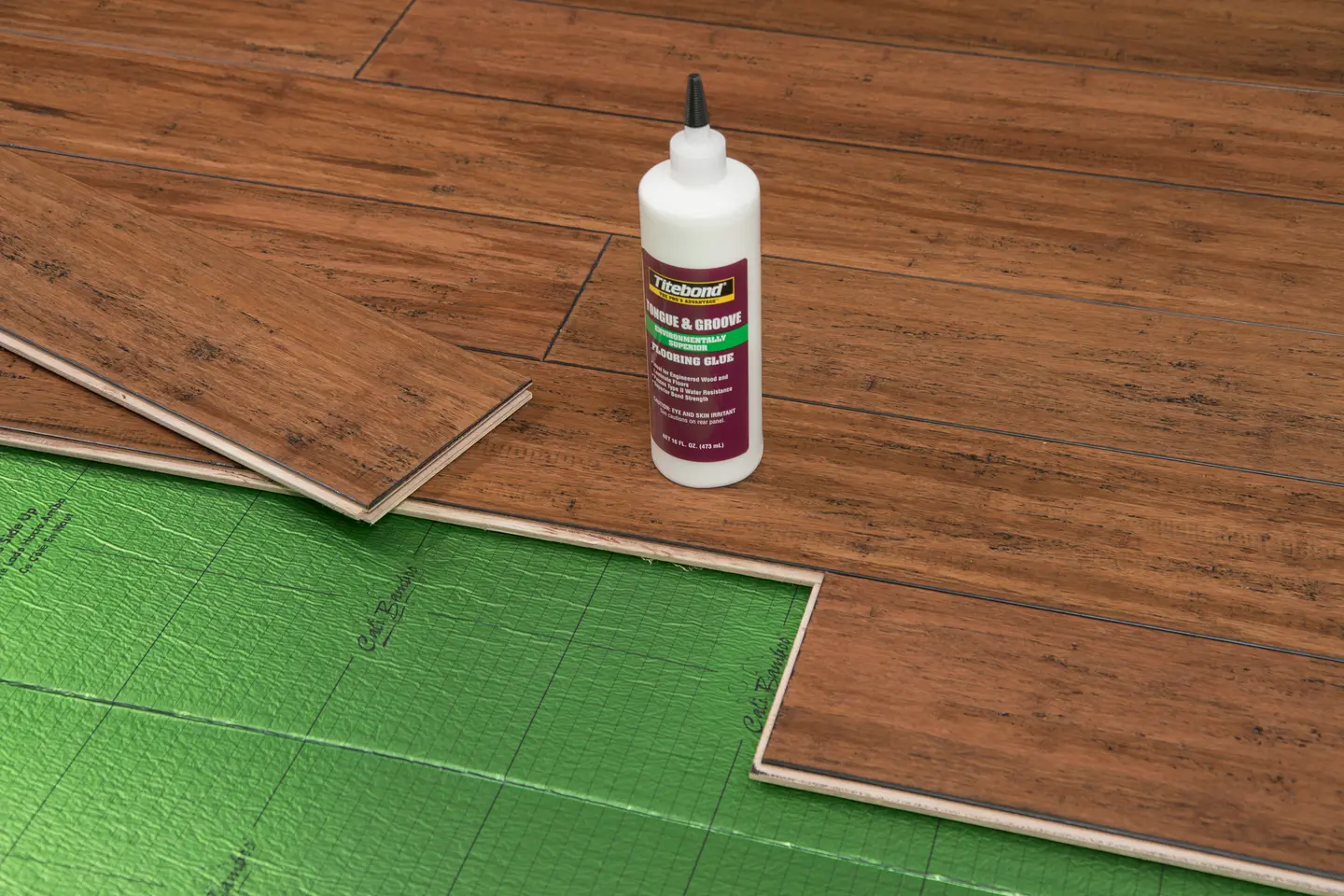
What if the greenest floor you could put in your home was also one of the hardest? Most homeowners assume eco-friendly choices force a compromise — softer materials, muted looks, or a shorter lifespan. Eco-friendly bamboo flooring turns that assumption upside down. It comes from a fast-growing grass that regenerates in years rather than decades, yet in its strand-woven form it can be tougher underfoot than red oak. This guide cuts through the marketing to show you exactly why bamboo earns its sustainable reputation, and how to choose a product that's healthy for your family and built for Orlando's climate.
You shouldn't have to gamble your indoor air quality to "go green." The honest truth is that bamboo's environmental story is excellent, but quality varies wildly — and the adhesives in cheap imports can off-gas formaldehyde for years. You'll learn the certifications that separate genuinely healthy floors from greenwashed ones, how engineered bamboo handles Florida humidity, what it really costs versus hardwood, and where bamboo shines versus where it can disappoint. By the end, you'll know how to buy bamboo with confidence.
★ Key Takeaways
- Bamboo is a rapidly renewable grass that matures in 3–7 years and regrows from its roots without replanting.
- Strand-woven bamboo is exceptionally hard — Janka ratings often exceed 3,000, well above red oak.
- Demand FloorScore, CARB Phase 2, or GREENGUARD Gold certification to guarantee low-VOC, low-formaldehyde air quality.
- Engineered bamboo with proper acclimation is the smart choice for Orlando's humidity — and quality matters more than price.
Why Bamboo Is Eco-Friendly
The single biggest reason eco-friendly bamboo flooring stands apart is biology: bamboo is a grass, not a tree. Where a traditional hardwood like oak or maple takes 40 to 70 years to reach harvest maturity, many bamboo species are ready in just 3 to 7 years. That's a renewal cycle up to twenty times faster than the trees most floors are made from — which means far less pressure on slow-growing forests.
Bamboo's root system is the second part of the story. When a bamboo culm is harvested, the plant is cut at the base, but the extensive underground rhizome network survives and immediately sends up new shoots. There is no clear-cutting and no replanting required. This self-regenerating cycle keeps soil intact, prevents erosion, and allows the same grove to be harvested repeatedly for decades. Along the way, fast-growing bamboo absorbs carbon dioxide and releases oxygen at a high rate, helping offset the carbon footprint of producing the flooring.
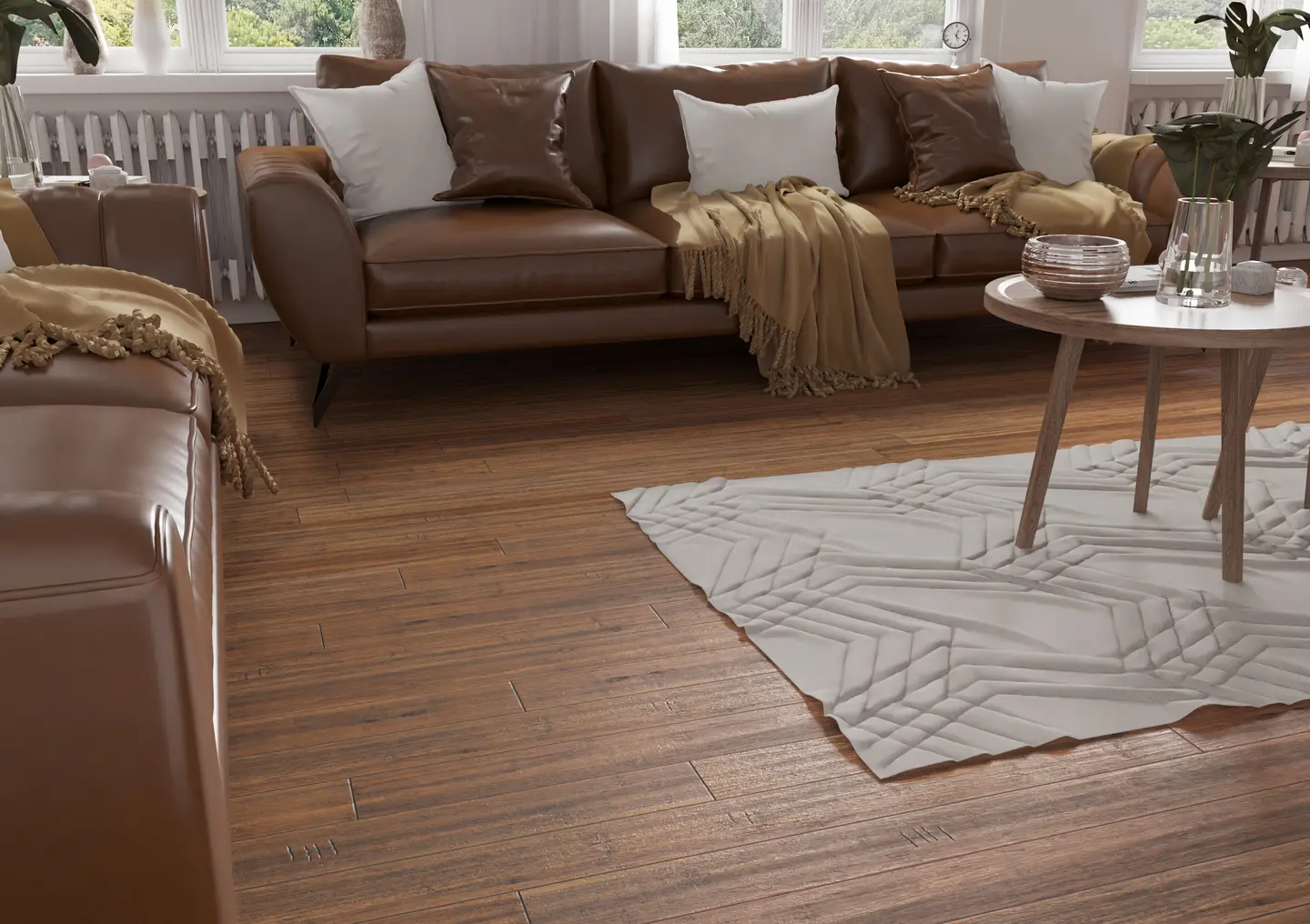
What Makes a Bamboo Floor Genuinely Sustainable
Renewability is only half of the equation. A truly green bamboo floor also depends on responsible manufacturing. The most sustainable products combine the fast-growing raw material with low-emission adhesives and efficient processing. When you're comparing options, the markers of genuine sustainability include:
- Rapid renewability: harvested in 3–7 years versus 40–70 for hardwood.
- Root regeneration: no replanting, minimal soil disruption, continuous carbon capture.
- Low-emission binders: no-added-urea-formaldehyde (NAUF) resins instead of cheap formaldehyde-heavy glues.
- Durability: a floor that lasts decades is inherently greener than one replaced every few years.
- Third-party certification: independent verification of both sourcing and emissions.
If you're weighing bamboo against other natural options, it's worth browsing our hardwood collection alongside our bamboo flooring so you can compare renewal cycles, hardness, and look side by side.
Durability: Strand-Woven Bamboo
Not all bamboo is created equal, and durability is where the differences become dramatic. There are three main constructions: horizontal and vertical bamboo (where strips are glued flat or on edge) and strand-woven bamboo. Strand-woven is the one that earns bamboo its reputation as a serious, hard-wearing floor.
To make strand-woven bamboo, the fibers are shredded, coated in resin, and then compressed under enormous heat and pressure into dense planks. The result is a material with a Janka hardness rating that frequently lands above 3,000. For perspective, red oak — the North American benchmark — rates around 1,290, and even hard maple sits near 1,450. That means quality strand-woven bamboo can be more than twice as hard as the hardwoods most homes are built with, giving it outstanding resistance to dents, scratches, and the daily punishment of an active household.
Where Cheap Bamboo Falls Short
Here's the honest caveat competitors gloss over: the bamboo category includes both excellent and poor products. Low-grade horizontal and vertical bamboo, or bargain strand-woven imports with thin finishes, can dent under heavy furniture legs and large dogs, and the color consistency can vary plank to plank. The denting complaints you'll read online almost always trace back to the cheapest tier. The lesson is simple — buy reputable, well-finished strand-woven bamboo, and treat suspiciously low prices as a red flag rather than a deal. For homes with pets or heavy traffic, this hardness advantage is a major reason bamboo competes with — and often beats — standard hardwood.
Healthy Homes: Low-VOC & Certifications
The most important question for indoor air quality isn't the bamboo itself — it's the glue holding it together. Because both engineered and strand-woven bamboo rely on adhesives, the type of resin determines whether your floor quietly off-gasses volatile organic compounds (VOCs) and formaldehyde into your home. This is the single biggest health concern with bamboo, and it's entirely avoidable if you know what to look for.
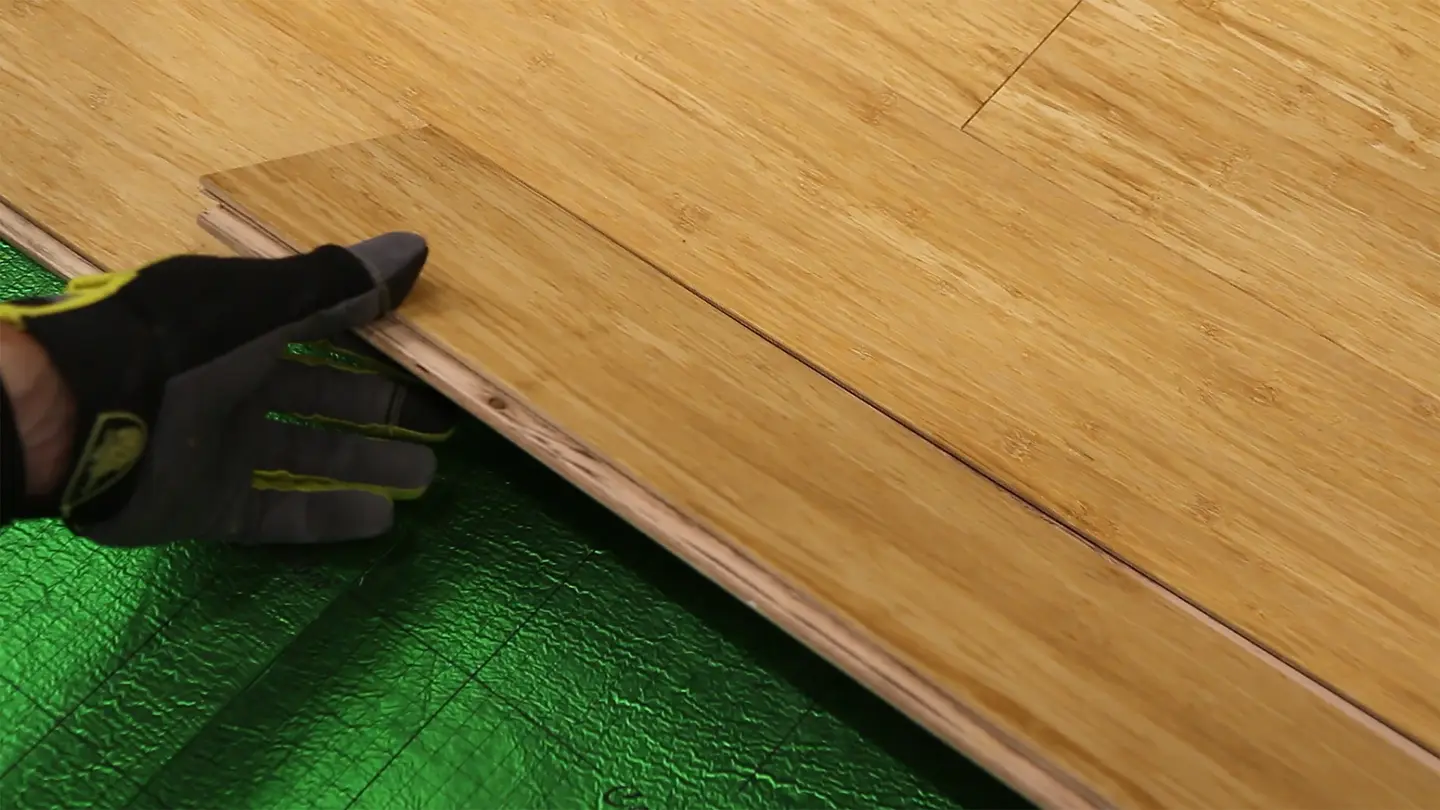
The Certifications That Actually Matter
Don't take "eco-friendly" on a label at face value. Insist on third-party certifications that independently verify emissions:
- FloorScore: certifies the product meets strict indoor air quality standards for VOC emissions.
- CARB Phase 2: the California Air Resources Board limit on formaldehyde emissions from composite wood — a tough, widely respected benchmark.
- GREENGUARD Gold: verifies low chemical emissions, with criteria strict enough for schools and healthcare settings.
- No-Added-Urea-Formaldehyde (NAUF): indicates the binder itself avoids added formaldehyde, the safest construction tier.
A floor that carries these marks gives you the environmental upside of bamboo without trading away your air quality. If a clean indoor environment is a priority — for allergy sufferers, children, or anyone sensitive to chemical smells — pair this with our guide to the best flooring for allergy sufferers. When in doubt, ask us to show you the specific certifications on any bamboo product before you buy.
How Bamboo Performs in Florida
Orlando's subtropical climate is the real test for any natural floor. High humidity and big seasonal swings cause wood — and bamboo — to expand and contract, which can lead to gapping, cupping, or buckling if the floor and installation aren't chosen correctly. The good news is that modern engineered bamboo is well suited to these conditions when handled properly.
Engineered bamboo bonds a bamboo wear layer to a dimensionally stable core, much like engineered hardwood. That layered construction resists the expansion and contraction that plague solid products in humid environments, making it the smarter pick for most Central Florida homes. Pair the right product with the right process and bamboo holds up beautifully year-round.
Best Practices for Humid Climates
- Acclimate before installing: let the bamboo adjust to your home's temperature and humidity for several days so it stabilizes before it's locked in place.
- Control indoor humidity: keep relative humidity in the 35–55% range using your HVAC or a dehumidifier to minimize seasonal movement.
- Use a moisture barrier on slabs: most Orlando homes are slab-on-grade, where a vapor barrier protects the floor from below.
- Consider a click-lock floating install: floating engineered bamboo can move slightly as a unit, accommodating humidity shifts.
For a deeper look at how different floors handle our climate, read our Florida flooring humidity guide, and lean on a professional bamboo flooring installation to make sure acclimation and moisture control are done right.
Cost, Style & Value
Bamboo delivers a compelling value equation. In terms of price, it generally lands in line with mid-range hardwood and tends to cost less than exotic hardwood species — while strand-woven versions often outperform those same woods on hardness. You're paying a competitive price for a floor that combines durability, sustainability, and a high-end wood look.
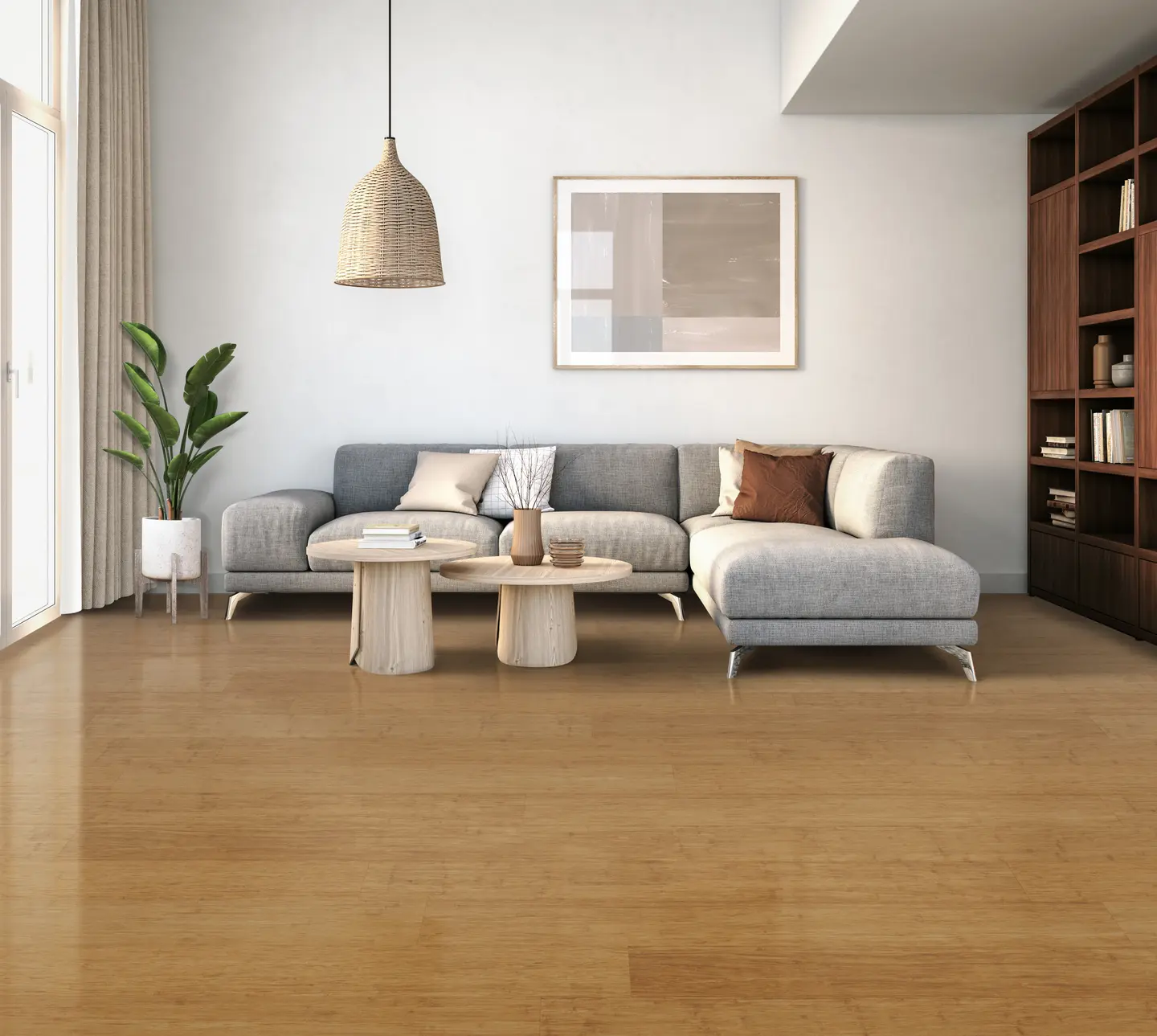
Style Range and Refinishing
Bamboo's design range has expanded dramatically. Beyond the classic blonde "natural" tone, you'll find carbonized browns, deep espressos, and varied grain treatments that read as warm, contemporary wood. On refinishing, the answer depends on construction: solid and thicker strand-woven bamboo can often be sanded and recoated to extend its life, while thin-veneer engineered products generally cannot. If multi-decade refinishability matters to you, ask about wear-layer thickness up front. Considering the long lifespan of a quality floor, bamboo's blend of price, performance, and green credentials makes it one of the better-value natural options on the market today. Browse our engineered bamboo collection to see current tones and specs.
The Cavalieri Approach
At Cavalieri Flooring, we believe a sustainable floor should never come at the expense of your family's health or your home's durability. That's why our engineered bamboo collection focuses on certified, low-VOC, strand-woven products — the tier that delivers genuine environmental benefits along with the hardness Orlando homes demand. We're happy to walk you through the exact FloorScore, CARB Phase 2, or GREENGUARD documentation on any product so you know precisely what's going into your home.
Our team also handles the parts that make or break bamboo in Florida: proper acclimation, moisture testing on slab subfloors, and installation methods matched to our humidity. Whether you're drawn to a light natural bamboo or a rich espresso tone, we'll help you choose a product and an install plan built to last. Visit our showroom at 4301 36th St #101, Orlando, FL 32811, call (321) 424-0546, or request a free estimate online. Open Monday–Friday, 7:00 AM–5:00 PM & Saturday, 9:00 AM–3:00 PM.
Frequently Asked Questions
Is bamboo flooring really eco-friendly?
Yes. Bamboo is one of the most sustainable flooring materials available because it is a fast-growing grass, not a tree. Many species mature in 3 to 7 years compared to 40 to 70 years for traditional hardwoods, and the root system regenerates after harvest without replanting. The main caveat is the adhesive used to bind the strands or plies — choose products certified to FloorScore, CARB Phase 2, or GREENGUARD Gold to ensure low VOC emissions.
How durable is strand-woven bamboo flooring?
Strand-woven bamboo is extremely durable. Its fibers are shredded and compressed under heat and pressure, producing a Janka hardness rating that is frequently above 3,000 — significantly harder than red oak, which rates around 1,290. This makes quality strand-woven bamboo highly resistant to dents and everyday wear, ideal for busy households and homes with pets.
What certifications should I look for in low-VOC bamboo flooring?
Look for FloorScore certification (indoor air quality), CARB Phase 2 compliance (formaldehyde emissions), and GREENGUARD Gold (low chemical emissions). These third-party certifications confirm the product meets strict limits for VOC and formaldehyde off-gassing. Reputable manufacturers also offer no-added-urea-formaldehyde (NAUF) options, which are the safest choice for indoor air quality.
How does bamboo flooring hold up in Florida's humidity?
Engineered bamboo, which bonds a bamboo wear layer to a stable core, handles Florida's humidity swings better than solid bamboo because the layered construction resists expansion and contraction. Proper acclimation before installation and maintaining indoor relative humidity between 35 and 55 percent are essential. For slab-on-grade Orlando homes, a moisture barrier and a click-lock floating installation help manage subfloor moisture.
Can bamboo flooring be refinished?
Some bamboo floors can be refinished, depending on the thickness of the wear layer. Solid and thicker strand-woven bamboo can typically be sanded and recoated one or more times, while thin-veneer engineered products usually cannot. If long-term refinishing is important to you, ask about the wear-layer thickness before buying and choose a product designed for sanding.
Is bamboo flooring more affordable than hardwood?
Bamboo is generally priced in line with mid-range hardwood and is usually less expensive than exotic hardwood species, while delivering comparable or greater hardness in strand-woven form. The value comes from combining durability, sustainability, and a premium wood-look appearance at a competitive price point. Avoid the cheapest imported bamboo, which can dent and vary in quality.
Does bamboo flooring dent or scratch easily?
Quality strand-woven bamboo is one of the hardest flooring surfaces available and resists denting very well. However, low-grade horizontal or vertical bamboo can be softer and prone to dents under heavy furniture or large dogs. The key is buying a reputable strand-woven product with a durable factory finish — cheap bamboo is where most denting complaints originate.
Where can I see eco-friendly bamboo flooring in Orlando?
You can view our engineered bamboo collection at the Cavalieri Flooring showroom at 4301 36th St #101, Orlando, FL 32811. Our team can show you certified low-VOC, strand-woven options, explain the sustainability credentials, and provide a free estimate. Call (321) 424-0546 or request a free estimate online, Monday through Friday, 7am to 5pm.
Thinking About Eco-Friendly Bamboo in Orlando?
Get a free estimate for certified low-VOC bamboo flooring from Cavalieri Flooring. We serve all Central Florida neighborhoods.
Or call us now: (321) 424-0546
Related Articles & Resources
Go Green Without Compromise
Eco-friendly bamboo proves you don't have to choose between sustainability and performance. With a rapidly renewable source, strand-woven hardness that beats oak, and certified low-VOC options, it's a floor that's good for your home and the planet — when you buy quality and install it correctly.
At Cavalieri Flooring in Orlando, we'll show you certified bamboo in person, explain the sustainability credentials, and build an installation plan tuned for Florida's humidity — all backed by our workmanship guarantee.
Schedule Your Free Bamboo Consultation