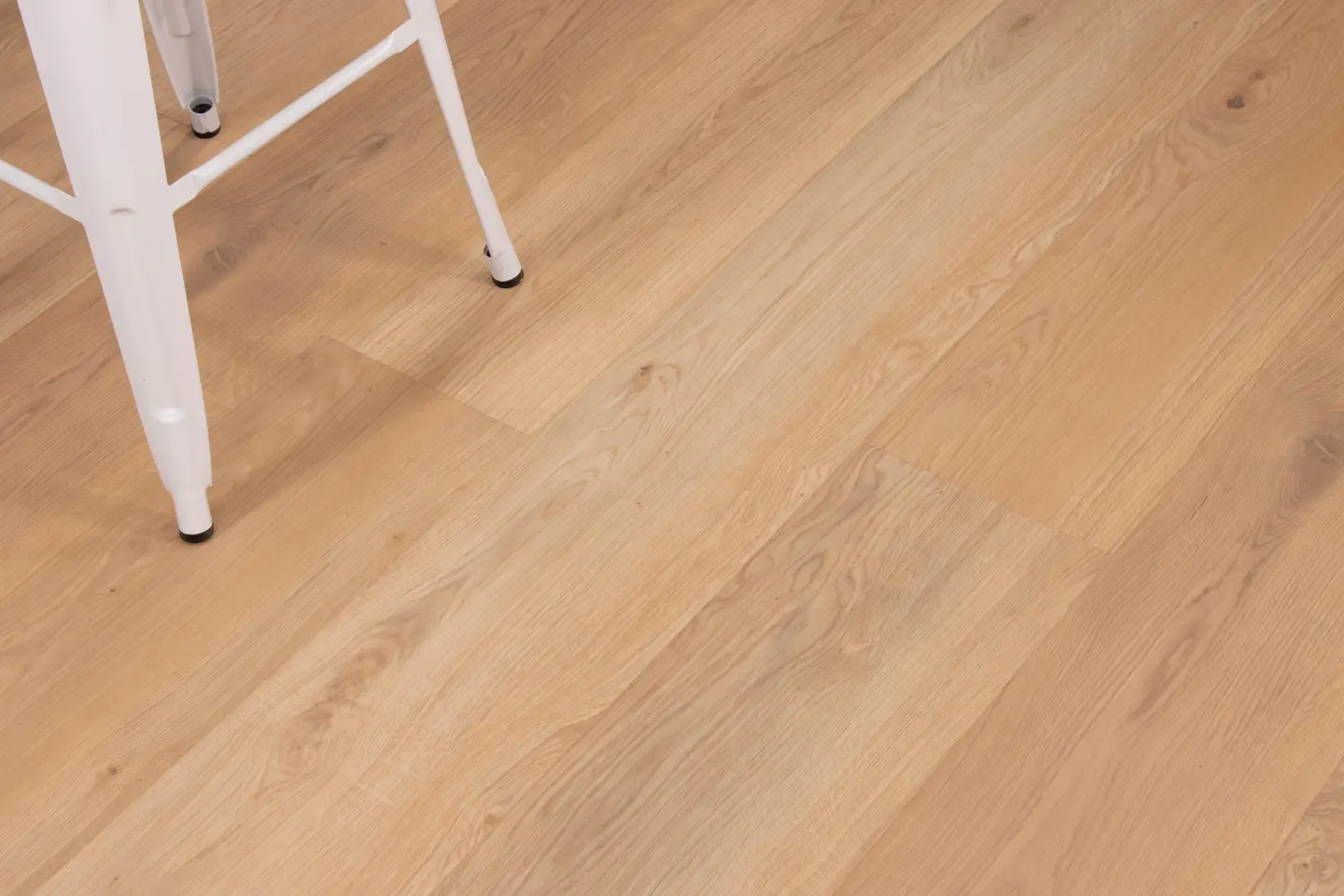
Proper cleaning and maintenance will keep your laminate flooring looking beautiful for years to come. With the right techniques and products, maintaining laminate floors is simple and straightforward. Here's your complete guide to laminate floor care.
💡 Key Takeaway
Use a damp (not wet) microfiber mop with a pH-neutral cleaner made for laminate. Never use steam mops or excessive water on laminate floors.
Daily Cleaning Routine
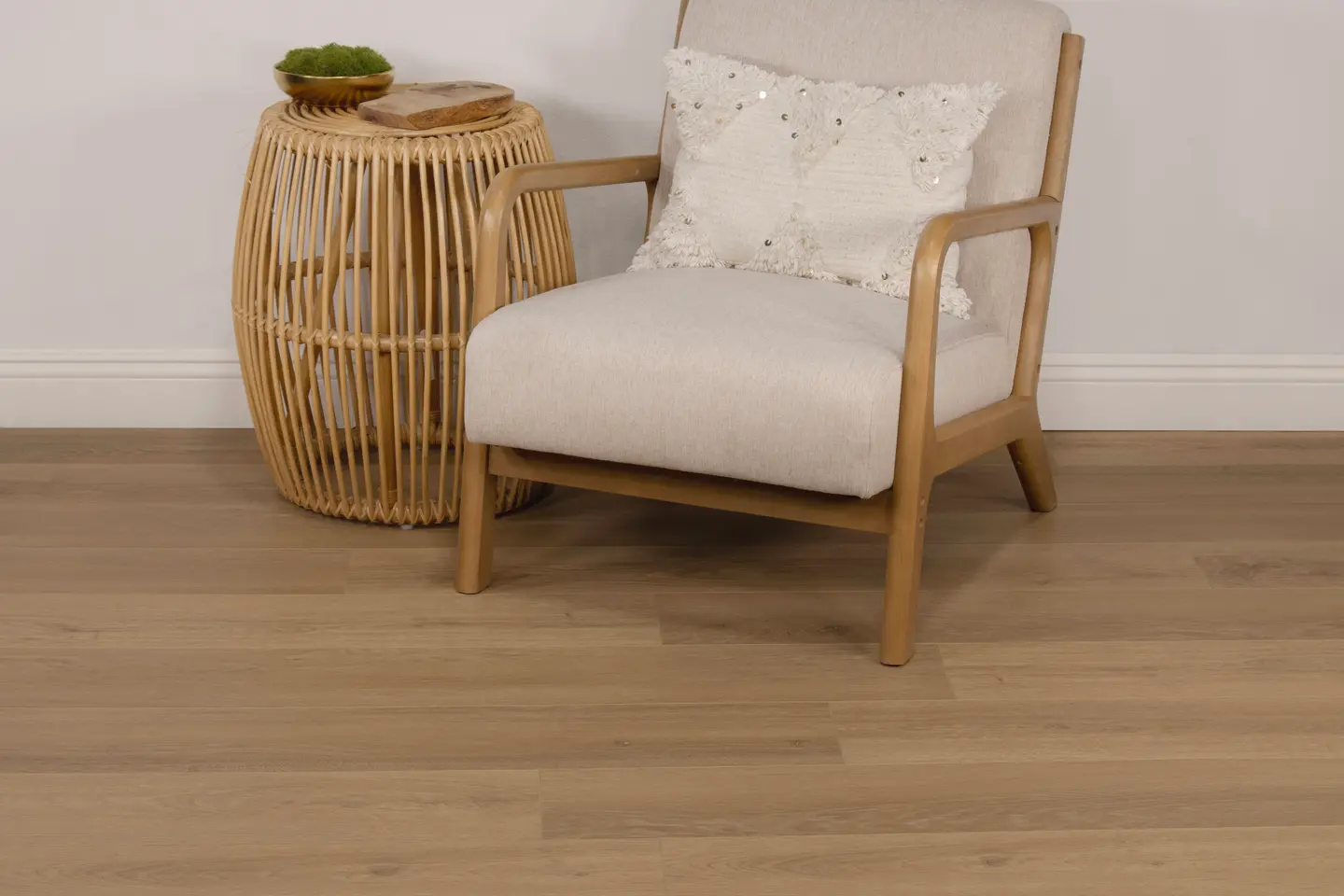
Regular maintenance prevents dirt buildup and preserves your laminate's appearance:
- Sweep or vacuum daily: Use a soft-bristle broom or vacuum with a hard floor setting
- Clean spills immediately: Wipe up liquids as soon as they occur
- Use entrance mats: Place mats at doorways to reduce tracked-in dirt
- Remove shoes: Consider a no-shoes policy to minimize wear
Weekly Deep Cleaning
A thorough weekly cleaning keeps your floors spotless:
What You'll Need:
- Microfiber mop or flat mop
- Laminate floor cleaner or mild soap solution
- Clean microfiber cloths
- Bucket for cleaning solution
Step-by-Step Process:
- Remove loose debris: Sweep or vacuum thoroughly
- Prepare cleaning solution: Mix according to manufacturer instructions
- Damp mop: Use minimal water - laminate should never be soaking wet
- Work in sections: Clean 4x4 foot areas at a time
- Dry immediately: Use a clean, dry microfiber cloth if needed

Best Cleaning Products
Recommended Cleaners:
- Bona Hard Surface Floor Cleaner: pH-neutral and residue-free
- Weiman Laminate Floor Cleaner: Specially formulated for laminate
- Bissell CrossWave Solution: For combination vacuum/mop systems
- DIY Solution: 1 cup white vinegar in 1 gallon warm water
Products to Avoid:
- Wax or polish: Can create a slippery residue
- Abrasive cleaners: Will scratch the surface
- Soap-based cleaners: Leave dulling residue
- Steam mops: Excessive moisture can damage laminate
- Wet mops: Too much water can cause swelling
Stain Removal Guide
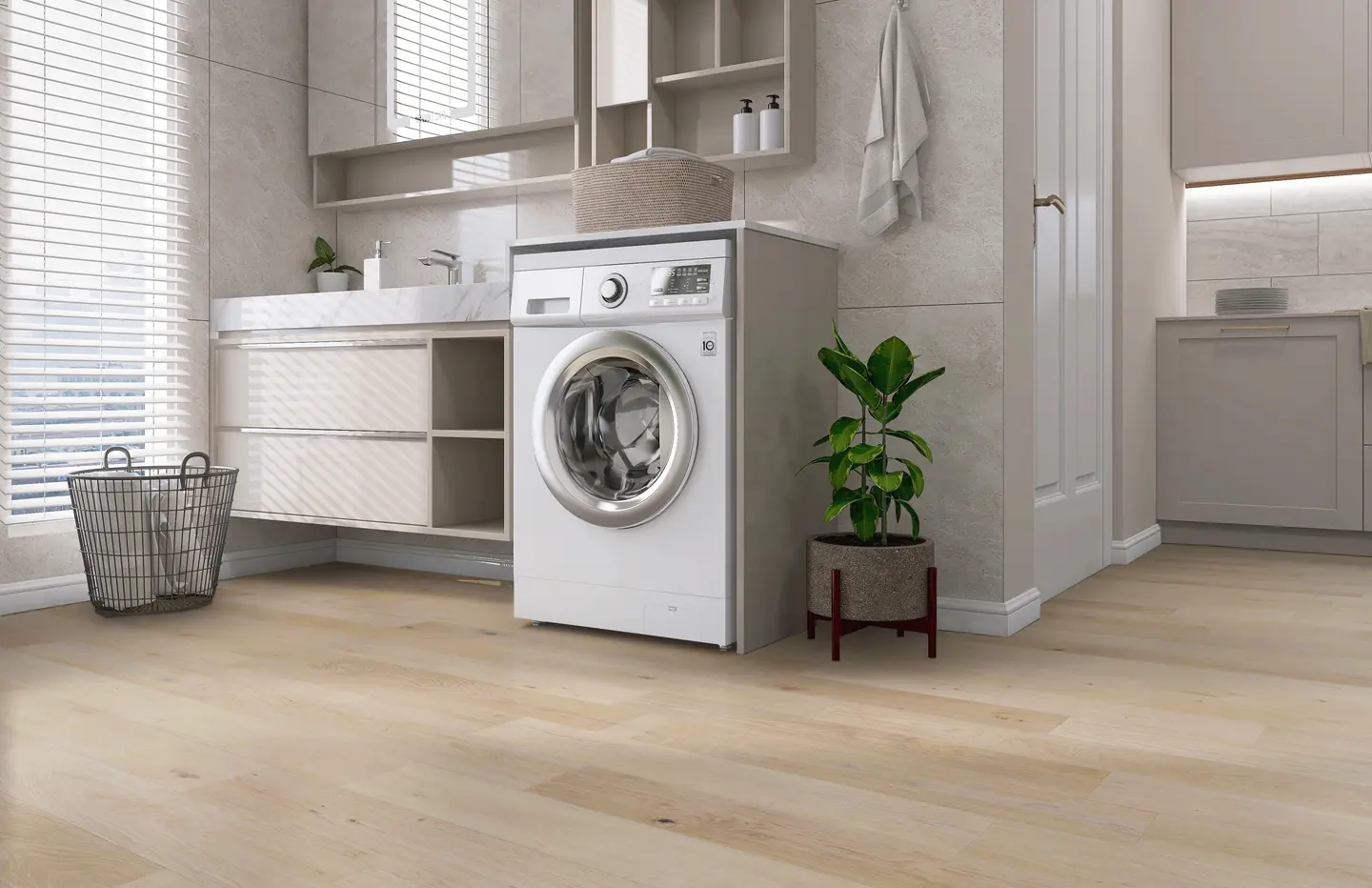
Common Stains and Solutions:
- Food spills: Clean immediately with damp cloth and mild cleaner
- Grease: Ice cube to harden, then scrape gently with plastic scraper
- Ink or crayon: Rubbing alcohol on a soft cloth
- Nail polish: Acetone-free nail polish remover
- Chewing gum: Ice cube to harden, then scrape carefully
- Scuff marks: Tennis ball or pencil eraser
Protecting Your Laminate Floors
Preventive Measures:
- Furniture pads: Use felt pads under all furniture legs
- Rugs and mats: Place in high-traffic areas
- Climate control: Maintain 30-50% humidity levels
- Trim pet nails: Prevent scratches from pets
- Avoid high heels: Stilettos can dent laminate
Seasonal Maintenance
Spring Cleaning:
- Deep clean all baseboards and trim
- Check for any loose planks or damage
- Replace worn furniture pads
- Professional inspection if needed
Winter Preparation:
- Increase use of entrance mats
- Monitor humidity levels closely
- Clean more frequently due to tracked-in salt and debris
Common Cleaning Mistakes
- Using too much water: Can cause planks to swell
- Ignoring spills: Allows stains to set in
- Wrong cleaning products: Damages surface or leaves residue
- Rough scrubbing: Creates scratches and wear patterns
- Infrequent cleaning: Allows dirt to build up and become embedded
When to Call Professionals
Consider professional cleaning services when:
- Floors have lost their shine despite regular cleaning
- Stubborn stains won't come out with home methods
- You notice warping or lifting planks
- Annual deep cleaning for high-traffic commercial areas
Maintenance Schedule
Daily:
- Sweep or vacuum high-traffic areas
- Clean up spills immediately
Weekly:
- Thorough vacuuming or sweeping
- Damp mop with appropriate cleaner
Monthly:
- Move furniture to clean underneath
- Check and replace furniture pads if needed
- Inspect for any damage
Annually:
- Professional inspection
- Deep cleaning of baseboards and transitions
- Assessment of wear patterns
What NOT to Use on Laminate Floors
Knowing what to avoid is just as important as knowing the right cleaning routine, because the wrong product or tool can permanently dull, swell, or delaminate your floor. Laminate is built from a printed photographic layer protected by a clear melamine wear surface, sitting on a fiberboard core. That core is the weak point: once water or harsh chemicals reach it through seams, the damage cannot be reversed. The single biggest mistake homeowners make is treating laminate like tile or sealed hardwood and using far too much liquid.
Skip the steam mop entirely, no matter what the packaging promises. Steam forces hot moisture down into the seams between planks, where it swells the fiberboard core and lifts the edges over time. Many laminate manufacturers explicitly void their warranty if a steam mop has been used, so reach for a barely damp microfiber pad instead. Likewise, never apply wax, polish, oil soaps, or "mop and shine" products to laminate. Unlike hardwood, laminate is never refinished or waxed, and these products leave a cloudy film that attracts dirt and is extremely difficult to strip off later.
Abrasive tools and cleaners are the other major threat. Steel wool, scouring pads, stiff scrub brushes, and gritty powder cleansers will scratch the protective wear layer, creating dull traffic lanes that no amount of mopping can restore. Avoid undiluted bleach, ammonia, and acidic cleaners, which can discolor the finish. When in doubt, choose a pH-neutral cleaner formulated specifically for laminate, or a simple solution of a small amount of white vinegar in warm water, and always wring your mop until it is only slightly damp.
Removing Tough Stains from Laminate Step by Step
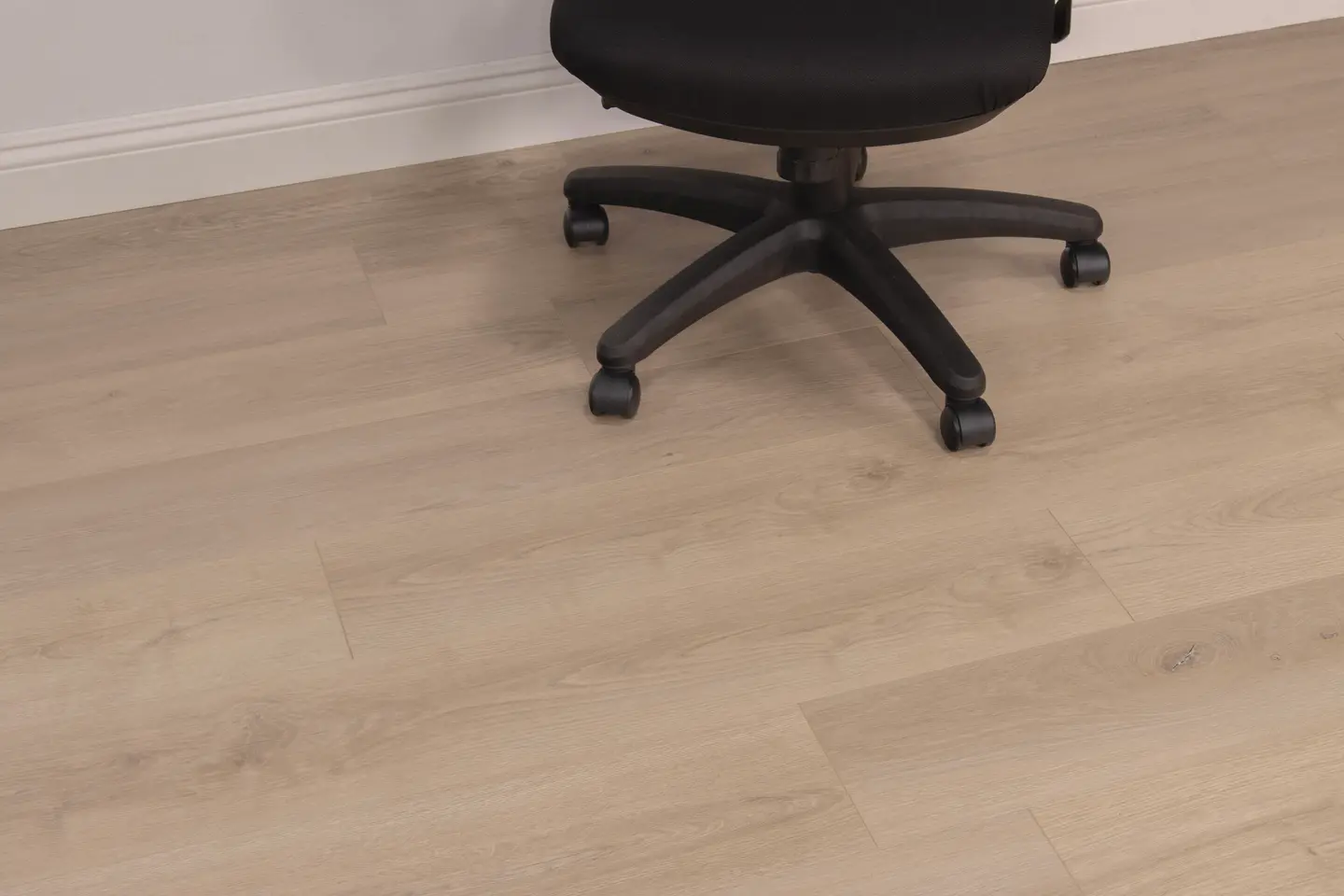
Even with a careful routine, life happens, and tough stains call for targeted treatment rather than harder scrubbing. The golden rule is to work from the gentlest method first and always finish by wiping the area with a clean, barely damp cloth and drying it immediately. Patience protects the wear layer far better than aggressive scrubbing ever will. It also helps to keep a small spot-cleaning kit on hand so you can act quickly: a soft cloth, a plastic scraper, a little rubbing alcohol, and your pH-neutral laminate cleaner cover the vast majority of household stains.
For grease and oily food spills, lay an ice pack or a bag of ice over the spot to harden the residue, then lift it away with a plastic scraper or an old credit card before wiping with a pH-neutral cleaner. Ink, marker, lipstick, and crayon usually respond to a little rubbing alcohol on a soft cloth, dabbed rather than rubbed to keep the stain from spreading. Dried candle wax and chewing gum should also be chilled with ice and gently scraped off rather than pulled. Scuff marks from shoes or furniture often disappear with a pencil eraser or a clean tennis ball, while sticky residue from tape or stickers lifts with a touch of mineral spirits on a cloth, followed by a damp wipe.
The most damaging "stain" of all is standing water from a spill that sits too long, so blot up any liquid the moment you notice it. If a spill has already seeped into a seam and you see edge swelling, that plank may need replacement. Keeping a few spare planks from your original installation makes color-matched repairs simple, and our team can help if you need professional laminate flooring matched to an existing floor.
Keeping Laminate Looking New in Humid Florida Homes
Cleaning laminate in Central Florida comes with a challenge most national care guides ignore: humidity. Orlando summers routinely push indoor humidity high, and laminate's fiberboard core naturally expands and contracts as it absorbs and releases moisture from the air. When humidity swings too far, you may notice slight gapping in winter or tight, peaking edges in the most humid months. Managing the air in your home is therefore part of cleaning and maintenance, not a separate concern.
Aim to keep indoor relative humidity in the roughly 35 to 55 percent range year round by running your air conditioning consistently and using a dehumidifier in problem areas such as enclosed lanais, garages, and laundry rooms. This is especially important in many Florida homes built on concrete slab-on-grade foundations, where moisture can migrate up from the slab if a proper vapor barrier was not installed during construction. If your laminate sits over a slab, watch for any persistent cupping or musty odors, which can signal a moisture issue beneath the floor that proper subfloor preparation is designed to prevent.
Day to day, Florida's sandy soil makes grit the enemy of your wear layer, so use quality entry mats at every exterior door and sweep or dry-dust high-traffic paths often to keep abrasive sand from grinding into the finish. Strong year-round sun is another factor: intense UV through large windows can fade laminate over time, so use blinds, sheer curtains, or UV-filtering window film in bright rooms and rotate area rugs occasionally so the floor ages evenly. With consistent climate control, grit management, and quick spill cleanup, laminate holds up beautifully in our climate. If you would like a professional assessment of your floors or are considering an upgrade, we are happy to provide a free estimate for homes across the Orlando area.
Frequently Asked Questions
Can you mop laminate floors?
Yes, but only with a barely damp mop, never a soaking wet one. Use a well-wrung microfiber or flat mop with a pH-neutral laminate cleaner, and work in small sections so any moisture evaporates quickly. Standing water is laminate's biggest enemy because it seeps into seams and swells the core, so dry the floor right after if it looks even slightly wet.
What is the best cleaner for laminate floors?
The best choice is a pH-neutral cleaner made specifically for laminate, such as Bona or a similar residue-free formula. A simple homemade option is a small amount of white vinegar mixed into warm water. Avoid wax, polish, oil soaps, and all-purpose cleaners that leave a dulling film and attract dirt.
Is a steam mop safe to use on laminate?
No. Steam mops force hot moisture into the seams between planks, swelling the fiberboard core and lifting the edges. Many manufacturers void their warranty if a steam mop has been used. Stick to dry sweeping and a lightly damp microfiber pad instead.
How do you dry laminate after cleaning?
Work in small four-by-four-foot sections with a barely damp mop so the surface dries on its own within a minute or two. If any area still looks wet, follow immediately with a clean, dry microfiber cloth. Good airflow from a fan or your air conditioning speeds drying and helps prevent moisture from reaching the seams.
How often should you clean laminate floors?
Sweep or vacuum high-traffic areas daily to remove abrasive grit, and damp mop the whole floor about once a week. Wipe up spills the instant they happen. In humid Florida homes with lots of foot traffic and tracked-in sand, you may want to dust-mop entryways even more frequently.
Need Help Choosing the Right Floor?
Our flooring experts are ready to help you find the perfect match for your space.
Or call us now: (321) 424-0546
Recommended Products


Related Articles & Resources
Need laminate flooring supplies?
Browse our collection of premium laminate flooring and maintenance products to keep your floors looking their best.
Shop Laminate Collection