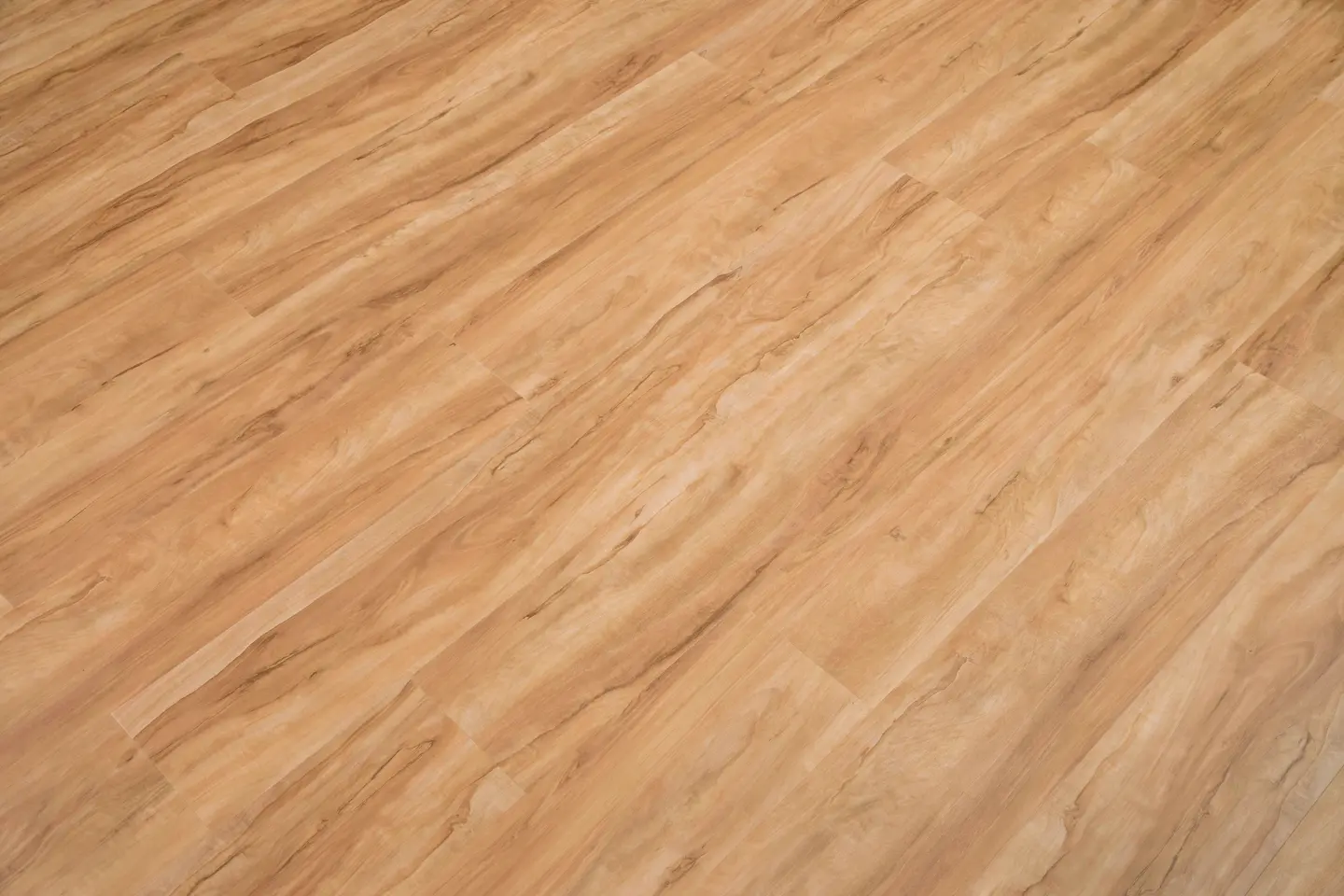
With so many vinyl flooring options available, choosing the best type can feel overwhelming. The "best" vinyl depends on your specific needs, budget, and installation requirements. Let's explore the main types and help you determine which is right for your project.
💡 Key Takeaway
For most homeowners, rigid core LVP with a 20 mil wear layer offers the best balance of durability, appearance, and value.
Luxury Vinyl Plank (LVP) - The Popular Choice
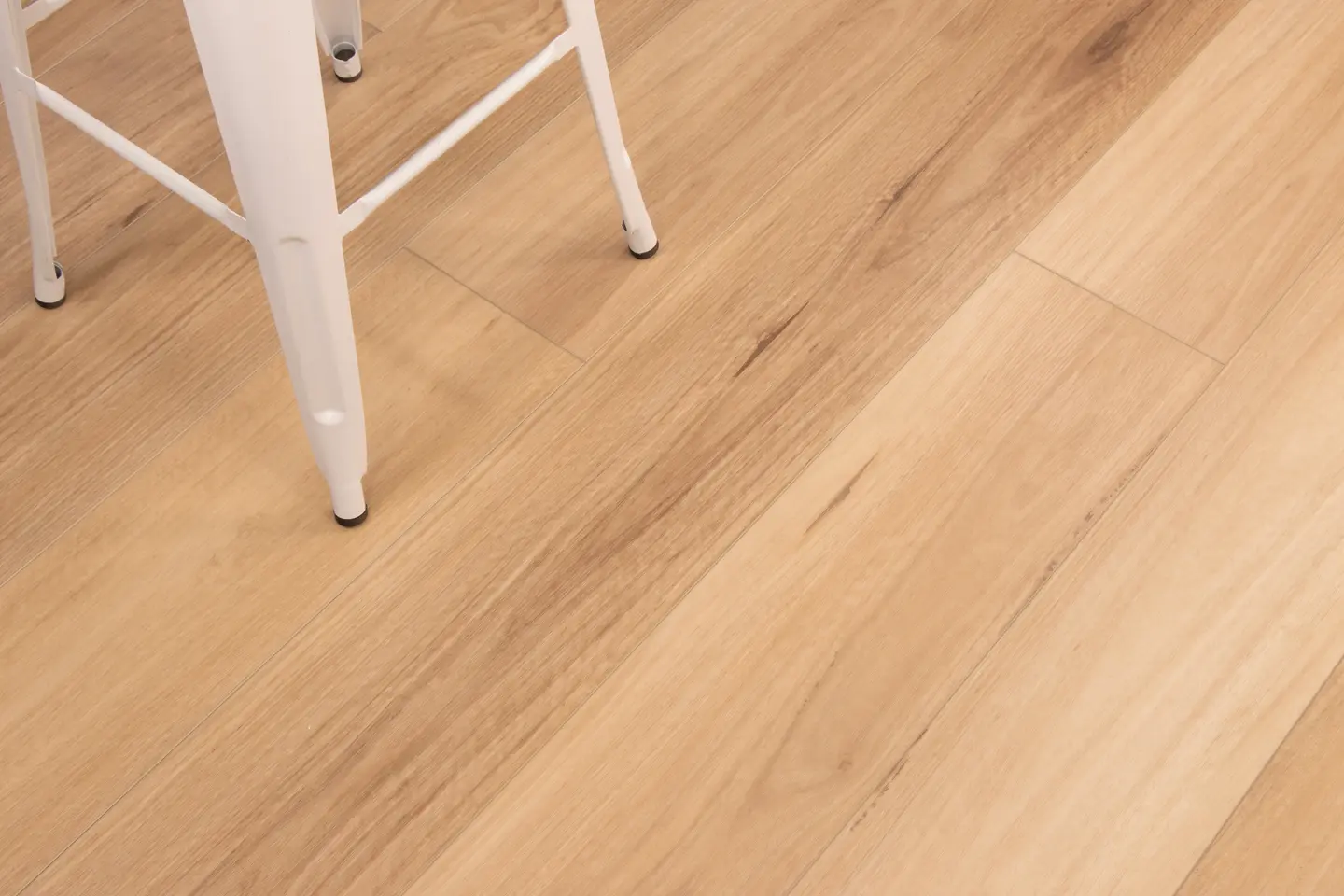
LVP is designed to mimic hardwood flooring and has become the most popular vinyl option.
Key Features:
- Plank format (typically 6-9" wide, 36-60" long)
- Realistic wood grain textures and colors
- Click-lock or glue-down installation
- Multiple thickness options (4mm to 8mm+)
Best For:
- Living rooms and bedrooms
- Areas where you want a wood look
- High-traffic residential spaces
- DIY installation projects
Cavalieri LVP Collections:
- Legends Collection: Premium 8mm thickness with superior realism
- Longboards Collection: Extra-wide 9" planks for dramatic impact
- Select Collection: Value-focused without compromising quality
Luxury Vinyl Tile (LVT) - The Versatile Option
LVT comes in square or rectangular tiles, perfect for replicating stone, ceramic, or unique patterns.
Key Features:
- Tile format (12"x12", 18"x18", or custom sizes)
- Stone, ceramic, and abstract designs
- Can create custom patterns and layouts
- Often more dimensional texturing
Best For:
- Bathrooms and kitchens
- Entryways and mudrooms
- Commercial applications
- Creative pattern installations
Sheet Vinyl - The Budget-Friendly Classic
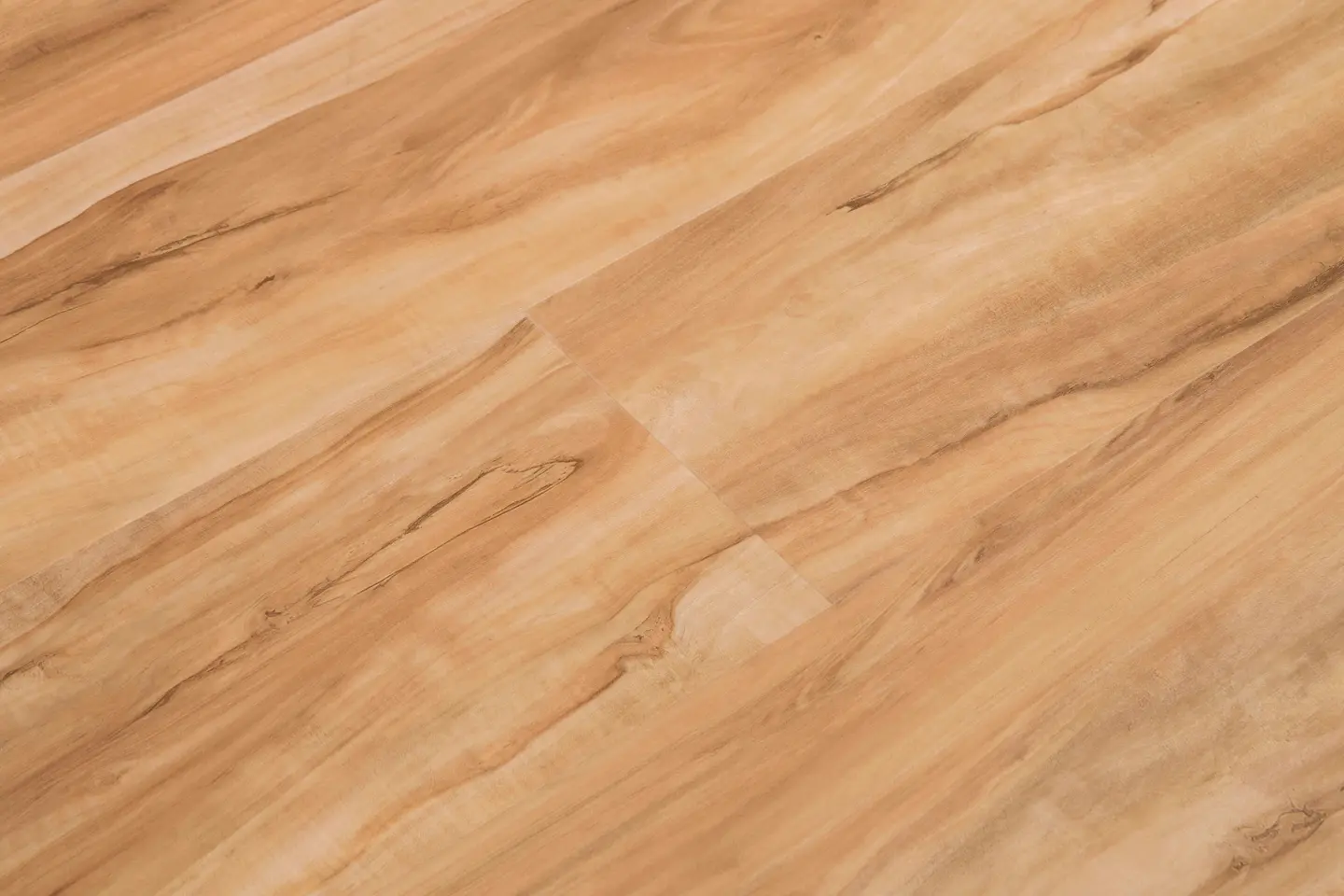
Traditional sheet vinyl comes in large rolls and offers the most affordable waterproof option.
Key Features:
- Continuous sheets up to 12 feet wide
- Fewer seams mean better water resistance
- Typically glue-down installation
- Limited design options compared to LVP/LVT
Best For:
- Basements and utility rooms
- Budget-conscious projects
- Areas requiring maximum water protection
- Large, simple room layouts
Rigid Core vs. Flexible Core
Rigid Core (SPC/WPC)
- Stone Plastic Composite (SPC): Extremely stable, thinner profile
- Wood Plastic Composite (WPC): Softer feel, better insulation
- More stable in temperature changes
- Better for uneven subfloors
- Premium pricing but superior performance
Flexible Core
- Traditional vinyl construction
- More affordable option
- Requires perfectly smooth subfloors
- Can telegraph subfloor imperfections
Wear Layer Thickness Guide
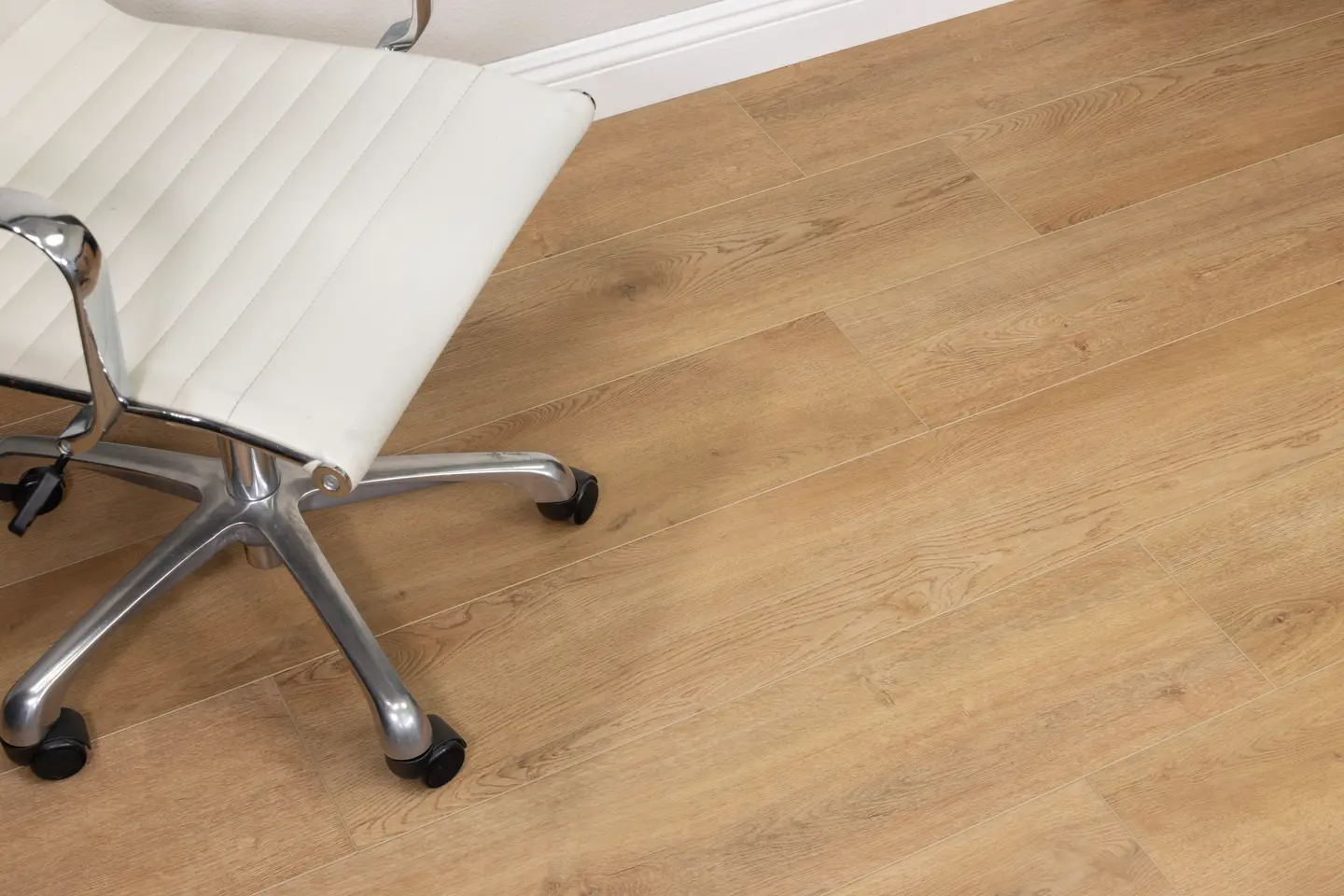
The wear layer is crucial for durability and longevity:
- 6 mil: Light residential use, guest rooms
- 12 mil: Standard residential, most living areas
- 20 mil: Heavy residential, families with pets
- 28 mil+: Commercial grade, extreme durability
Installation Methods
Click-Lock Floating Floor
- Easy DIY installation
- No adhesive required
- Can be removed and reinstalled
- Best for rigid core products
Glue-Down
- Permanent installation
- Better for commercial use
- Requires professional installation
- More stable underfoot
Loose Lay
- Heavy backing holds in place
- Easy replacement of individual pieces
- Good for temporary installations
- Limited to smaller areas
Choosing the Best Type for Your Space
High-Traffic Areas
Recommendation: Rigid core LVP with 20+ mil wear layer
Examples: Cavalieri Legends or Longboards Collection
Wet Areas
Recommendation: LVT with waterproof core and sealed edges
Consider: Stone-look designs for authenticity
Budget Projects
Recommendation: Select Collection LVP or quality sheet vinyl
Focus on: Good wear layer thickness even in budget options
Premium Installations
Recommendation: WPC rigid core with maximum wear layer
Consider: Extra-wide planks or unique tile patterns
Quality Indicators to Look For
- Thickness: 4mm minimum, 6-8mm preferred
- Wear layer: At least 12 mil for residential
- Edge sealing: Prevents water infiltration
- Dimensional stability: Rigid core construction
- Warranty: 15+ years for quality products
- Certifications: FloorScore or similar low-emission standards
The Verdict: What's Best?
For most homeowners, rigid core LVP with a 20 mil wear layer offers the best combination of:
- Durability and longevity
- Realistic appearance
- Easy installation
- Versatility across different rooms
- Good value for the investment
However, the truly "best" vinyl flooring is the one that meets your specific needs for durability, appearance, budget, and installation requirements.
SPC vs WPC vs LVT: Core Types Explained
Once you start shopping, the alphabet soup of vinyl flooring terms can be confusing. The good news is that almost every option falls into one of three families, and understanding the differences makes the decision much simpler. The "core" is the structural layer in the middle of the plank, and it determines how the floor feels underfoot, how well it hides subfloor flaws, and how it performs in temperature swings.
SPC (Stone Plastic Composite) uses a dense, limestone-based core that is the most dimensionally stable option on the market. It barely expands or contracts when temperatures change, so it is an excellent choice for sunrooms, second-story bonus rooms, and any space that heats up during the day. SPC planks tend to be thinner and very rigid, which means they bridge minor subfloor imperfections without telegraphing them through the surface.
WPC (Wood Plastic Composite) trades a little of that rock-hard stability for comfort. Its foamed core feels warmer and softer underfoot, deadens sound, and is forgiving on the legs in kitchens and laundry rooms where you stand for long stretches. WPC is typically thicker than SPC, giving it a more substantial, premium feel. LVT (Luxury Vinyl Tile) describes the format and look rather than the core itself: it is vinyl made to imitate stone, ceramic, or concrete in tile shapes, and it can be built on either an SPC or WPC core, or as a thin flexible glue-down tile.
How to Choose the Right Vinyl for Each Room
The smartest way to shop is to match the product to the demands of each room rather than buying one spec for the whole house. A guest bedroom and a busy entryway simply do not face the same wear, and choosing accordingly stretches your budget without sacrificing performance where it counts.
In living rooms and bedrooms, a 12 to 20 mil wear layer on a comfortable WPC or mid-weight SPC core gives you a realistic wood look with a pleasant feel underfoot. For kitchens, laundry rooms, and bathrooms, prioritize a fully waterproof rigid core and tight click-lock seams, or consider groutable LVT for a true stone aesthetic in wet zones. Entryways, mudrooms, and hallways take the most abuse from foot traffic and grit, so a 20 mil or thicker wear layer over a stable SPC core is the safe call.
Households with kids and pets should lean toward the thickest wear layer they can afford, since that top layer is what resists claw scratches, dropped toys, and dragged furniture. If you are weighing vinyl against other materials for a specific space, our vinyl vs. laminate comparison breaks down how each performs room by room.
Installation method should factor into the room decision as well. Click-lock floating floors are quick to install and easy to repair, making them ideal for bedrooms, living areas, and anywhere you might want to swap a plank later. Glue-down vinyl shines in very large open spaces, commercial settings, and rooms with heavy rolling loads because it stays flat and stable underfoot. For the best long-term result in any room, a professional vinyl flooring installation ensures the subfloor is prepped, the expansion gaps are correct, and the seams are tight enough to keep moisture out.
Understanding Wear Layers (6/12/20/28 mil)
If there is one spec worth obsessing over, it is the wear layer. This clear, protective top coating is measured in mils (thousandths of an inch), and it does the day-to-day work of resisting scratches, scuffs, dents, and fading. Two planks can look identical in the showroom, yet the one with a thicker wear layer will still look new years after the thinner one has dulled and scratched.
A 6 mil wear layer is light-duty, suited only to low-traffic guest rooms or closets. 12 mil is the practical minimum for everyday residential living areas and handles normal family use well. 20 mil is the sweet spot for active households, families with pets, and high-traffic zones, offering a meaningful jump in scratch and dent resistance. 28 mil and above is commercial grade, built for retail floors and rental properties where durability outranks every other concern.
Remember that wear layer and overall plank thickness are two different measurements. A plank can be a thick 8mm overall but still carry a thin 6 mil wear layer, so always ask about both. Pairing a generous wear layer with a stable core and a proper installation over a sound subfloor is the formula for a floor that lasts decades.
Best Vinyl Flooring for Florida Homes
Central Florida puts flooring through a unique gauntlet: months of high humidity, intense afternoon heat, frequent indoor-outdoor traffic, and the concrete slab-on-grade foundations that dominate Orlando-area construction. Vinyl is one of the few materials that genuinely thrives in these conditions, but choosing the right type still matters.
Because so many Orlando homes sit directly on a concrete slab, moisture migrating up through that slab is a real concern. A waterproof rigid core handles this far better than wood-based products, but the slab should still be moisture-tested and properly prepared before installation. Cracks, high spots, and uneven areas need to be addressed first, which is exactly why subfloor prep and repair is a critical step rather than an optional one. SPC cores are especially well suited to slabs because their rigidity bridges minor imperfections.
Heat and sunlight are the other Florida factors. Rooms with large windows and screened lanais can get hot, and lower-grade vinyl may expand, contract, or fade under constant UV exposure. An SPC core minimizes thermal movement, and a quality UV-stabilized wear layer protects against sun fading near sliders and patio doors. For most Orlando homeowners, a waterproof SPC plank with a 20 mil wear layer is the dependable, climate-smart choice.
Humidity also affects acclimation. Even waterproof vinyl should sit inside the home for 24 to 48 hours before installation so the planks adjust to the room's temperature and humidity, which prevents gapping or buckling after the floor is down. Skipping this step is one of the most common causes of callbacks in Central Florida installations. You can explore options in person across our full vinyl flooring collection, and our team can recommend the best fit for your specific rooms during a free in-home estimate.
Frequently Asked Questions
What is the best type of vinyl flooring?
For most homeowners, rigid core luxury vinyl plank (LVP) with a 20 mil wear layer is the best all-around choice. It combines a realistic wood look, full waterproof performance, easy click-lock installation, and durability that holds up to kids, pets, and heavy traffic. The "best" type ultimately depends on your room, budget, and how much wear the floor will see.
Should I choose SPC or WPC vinyl?
Choose SPC when stability matters most, such as sunrooms, second floors, and rooms over concrete slabs, because its dense stone-based core barely moves with temperature changes. Choose WPC when comfort and warmth underfoot are the priority, like kitchens and laundry rooms where you stand for long periods. Both are waterproof, so the decision comes down to feel versus rigidity.
What wear layer thickness do I need?
For standard residential living areas, 12 mil is the practical minimum. Step up to 20 mil for high-traffic spaces, families with pets, or entryways and hallways. A 28 mil or thicker wear layer is commercial grade and usually overkill for a typical home, while 6 mil should be reserved for low-use rooms like closets and guest bedrooms.
What is the difference between waterproof and water-resistant vinyl?
Waterproof vinyl, typically built on an SPC or WPC rigid core, can be exposed to standing water and spills without swelling or damage, making it safe for bathrooms and kitchens. Water-resistant vinyl tolerates quick wipe-ups but is not designed to sit in water. For Florida bathrooms and laundry rooms, always choose a fully waterproof rigid core product.
Does plank thickness matter, or just the wear layer?
Both matter, but they do different jobs. The wear layer protects the surface from scratches and wear, so it is the most important number for durability. Overall plank thickness affects stability, sound, and how well the floor hides subfloor imperfections. Aim for at least a 4mm to 6mm plank paired with a 12 to 20 mil wear layer for a quality residential floor.
Need Help Choosing the Right Floor?
Our flooring experts are ready to help you find the perfect match for your space.
Or call us now: (321) 424-0546
Recommended Products
Related Articles & Resources
Ready to choose your vinyl?
Explore Cavalieri Flooring's premium vinyl collections and speak with our experts to find the perfect type for your home.
Shop Vinyl Collections