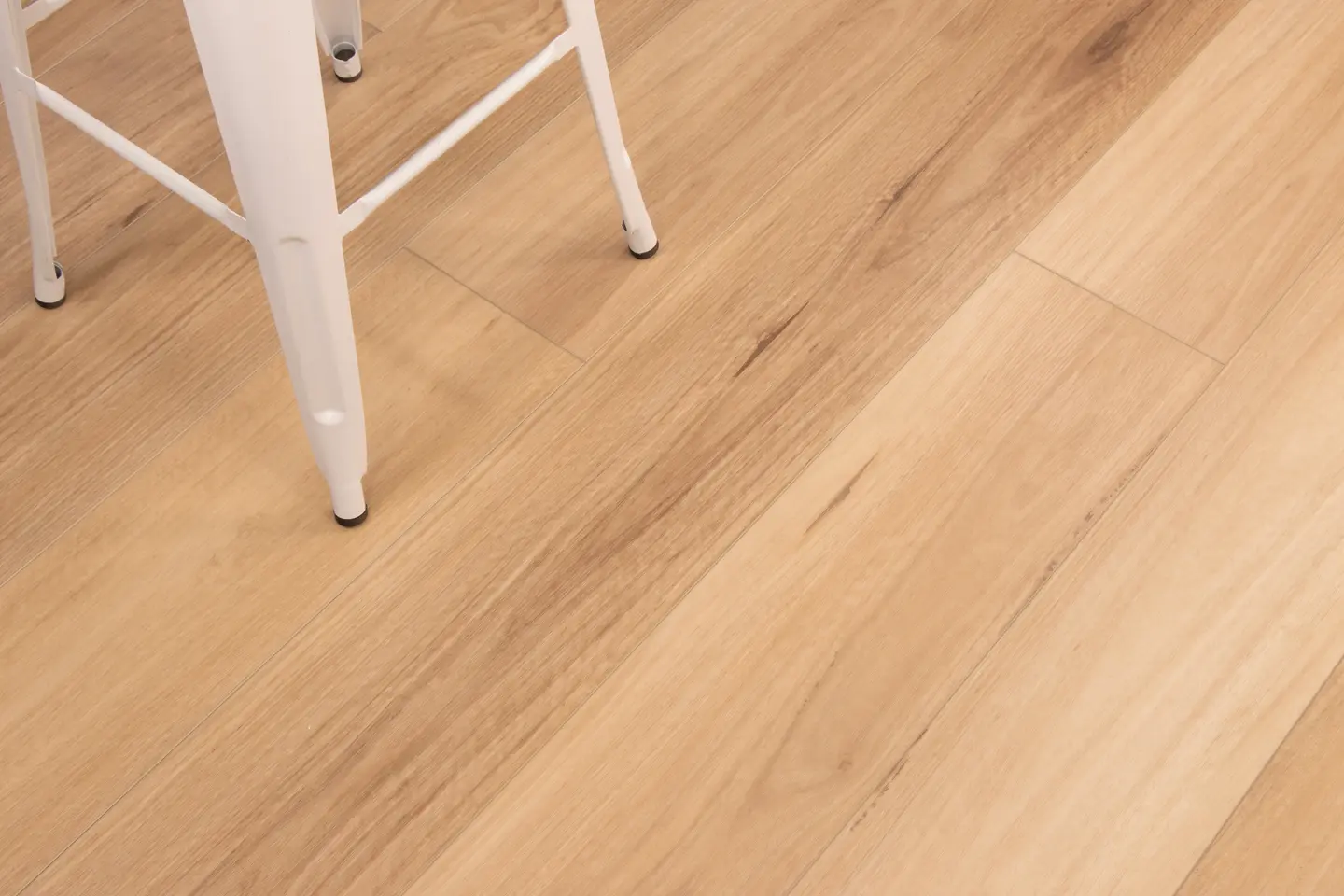
A beautiful floor isn't a true investment if it starts showing its age after just six months of muddy paw prints and heavy grocery runs. You want a home that looks polished. However, you probably find yourself cringing every time the dog sprints down the hall or a heavy pot hits the kitchen floor. Finding the best flooring for high traffic areas often feels like a compromise between high-end style and everyday survival. It's a common frustration for active families in Orlando who are tired of visible scratches, deep dents, and the looming cost of frequent replacements.
With the residential segment accounting for over 60% of the flooring market in 2026, manufacturers have finally prioritized materials that can actually take a beating. You deserve a surface that stays easy to clean and resists both moisture and impact for over 20 years. This guide explores the latest advancements in luxury vinyl plank, porcelain tile, and high-performance laminates. We will help you identify the most durable, scratch-resistant options that handle your family's daily chaos without losing their luster.
★ Key Takeaways
- Identify the three distinct threats to your floors: abrasion, impact, and moisture.
- Compare the waterproof performance of luxury vinyl plank against the superior scratch resistance of modern laminate.
- Learn why porcelain tile remains the gold standard for durability and how hardwood offers unique long-term value through professional refinishing.
- Discover how professional installation and proper subfloor preparation prevent common failures like buckling and moisture damage.
Defining High-Traffic Durability: Beyond Just Scratches and Scuffs
Durability isn't a single feature. It is a calculated combination of defenses. Most homeowners think of scratches first, but true high-traffic resilience involves three distinct threats: abrasion, impact, and moisture. Abrasion happens when grit and sand are tracked in from outside. These tiny particles act like sandpaper, slowly grinding away your floor's finish with every step. Impact occurs when heavy kitchen pots fall or furniture is dragged across the room. Moisture is often the most destructive force, especially in busy entryways where rain and humidity settle into the seams.
Selecting the best flooring for high traffic areas requires looking at how a material handles all these stressors simultaneously. A floor that resists scratches but warps at the first sign of a spill won't last. At Cavalieri Flooring in Orlando, we focus on providing solutions that balance these needs, ensuring your investment remains beautiful for decades.
The Three Pillars of Floor Resilience
To find a floor that lasts, you must evaluate its structural integrity across three categories:
- Surface hardness — your first line of defense against scuffs from pet claws and children's toys
- Core stability — prevents denting under heavy weight and warping when humidity changes
- Chemical resistance — ensures the material stands up to frequent cleaning and disinfectants
Identifying Your Home's High-Traffic Zones
Not every room requires the same level of protection. You should prioritize your budget based on where the most activity occurs:
- Entryways and mudrooms — the primary battlegrounds, facing outdoor debris and moisture
- Kitchens — high humidity, frequent spills, and the constant risk of heavy items dropping
- Hallways — foot traffic follows a concentrated path, showing wear faster than other areas
- Living rooms — where the family gathers, pets play, and furniture is regularly rearranged
Focus on the zones where your family lives the loudest. This targeted approach ensures you don't overspend on low-traffic rooms while getting maximum protection where it matters most.
Luxury Vinyl Plank (LVP) and Laminate: The Modern Workhorses
Modern technology has transformed these materials. In 2026, high-definition digital printing and advanced embossing mean these floors are virtually indistinguishable from natural wood. They don't just look like wood; they feel like it too. Both materials utilize a sophisticated click-lock system that creates a floating floor maintaining structural integrity even when the house settles. It's why they are frequently cited as the best flooring for high traffic areas for homeowners who want beauty without the high maintenance of organic materials.
Luxury Vinyl Plank (LVP) is the premier choice for wet zones. It offers 100% waterproof performance. You can install it in entryways where kids drop wet umbrellas or in mudrooms where rain melts on the floor. Laminate has evolved too. While it isn't always waterproof like LVP, its surface is often much harder. It provides superior scratch resistance compared to most hardwoods, making it a favorite for families with large dogs.
Understanding Wear Layers and AC Ratings
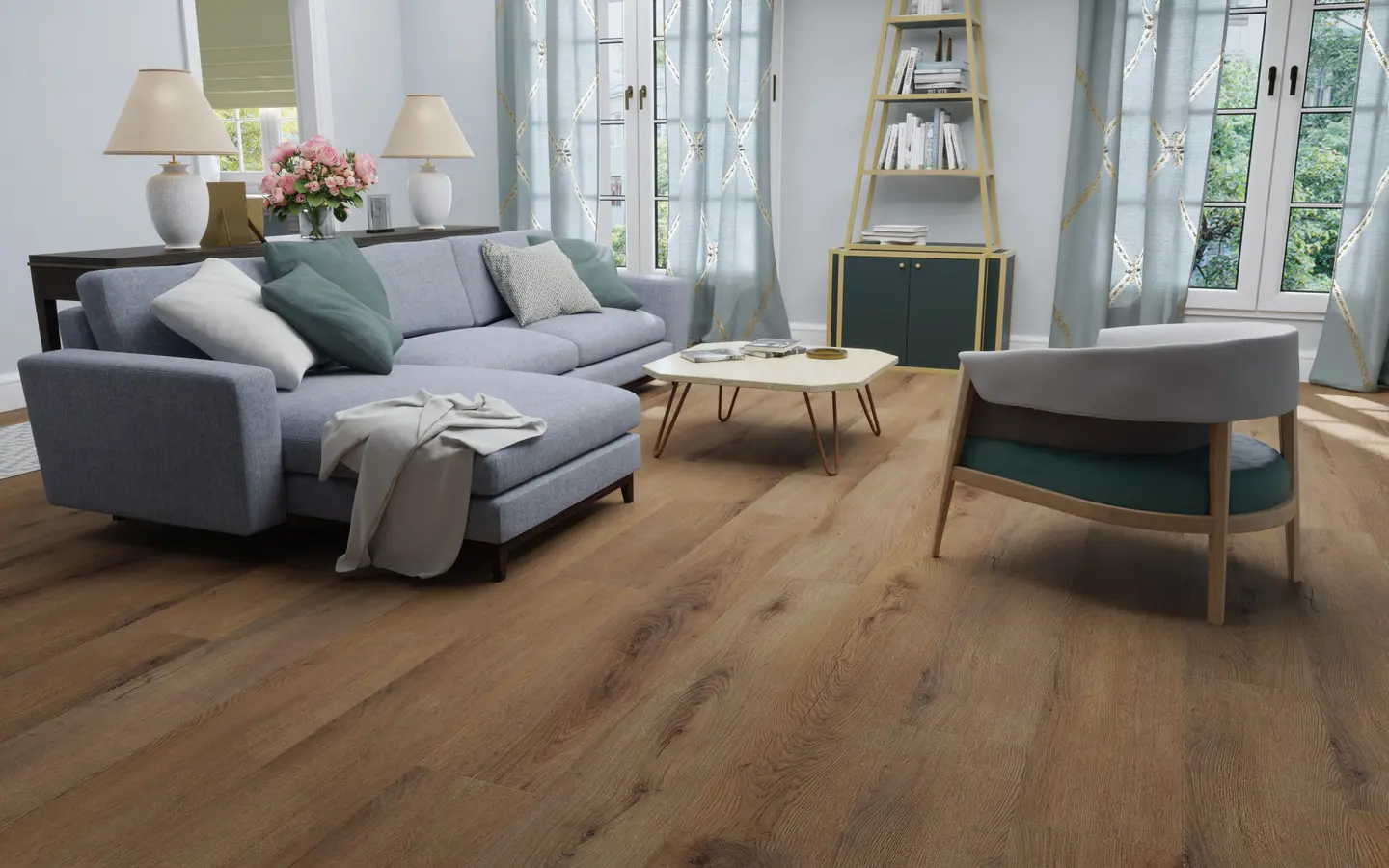
Don't just look at the color. Look at the wear layer. For LVP, 20mil is the gold standard — a thickness of 0.5mm that protects the design from wearing through in busy hallways. For laminate, the AC (Abrasion Class) rating is your guide. AC4 and AC5 are designed for heavy residential and commercial use. These ratings are backed by independent testing simulating years of friction and heavy foot traffic.
At Cavalieri Flooring, we stock LVP collections with 20mil+ wear layers and laminate with AC4/AC5 ratings — the specs you need for a 20-year lifespan. Browse our vinyl collections or explore laminate options to see durability ratings in person.
LVP vs. Laminate for Active Families
Choosing between them depends on your specific mess. LVP wins in laundry rooms or kitchens where standing water is a threat. It handles spills without swelling or buckling. Laminate is often the best flooring for high traffic areas where pets are the primary concern. The resin-based top layer is incredibly hard and resists the deep gouges that heavy dogs can leave behind.
For a deeper dive into the technical specs, read our guide on Vinyl vs. Laminate.
Hardwood and Porcelain Tile: The Premium Performance Standards
While synthetic options provide excellent immediate utility, premium materials offer a different level of long-term value. Many homeowners dismiss hardwood as too delicate for busy households. This is a mistake. Hardwood provides a unique advantage that synthetic floors cannot match: refinishability. You can't sand and reseal a vinyl plank. Porcelain tile, on the other hand, remains the most durable flooring material available today. These options represent the best flooring for high traffic areas for those who prioritize a high return on investment and a floor that can last for generations.
The Janka Scale: Choosing Hardwood That Lasts
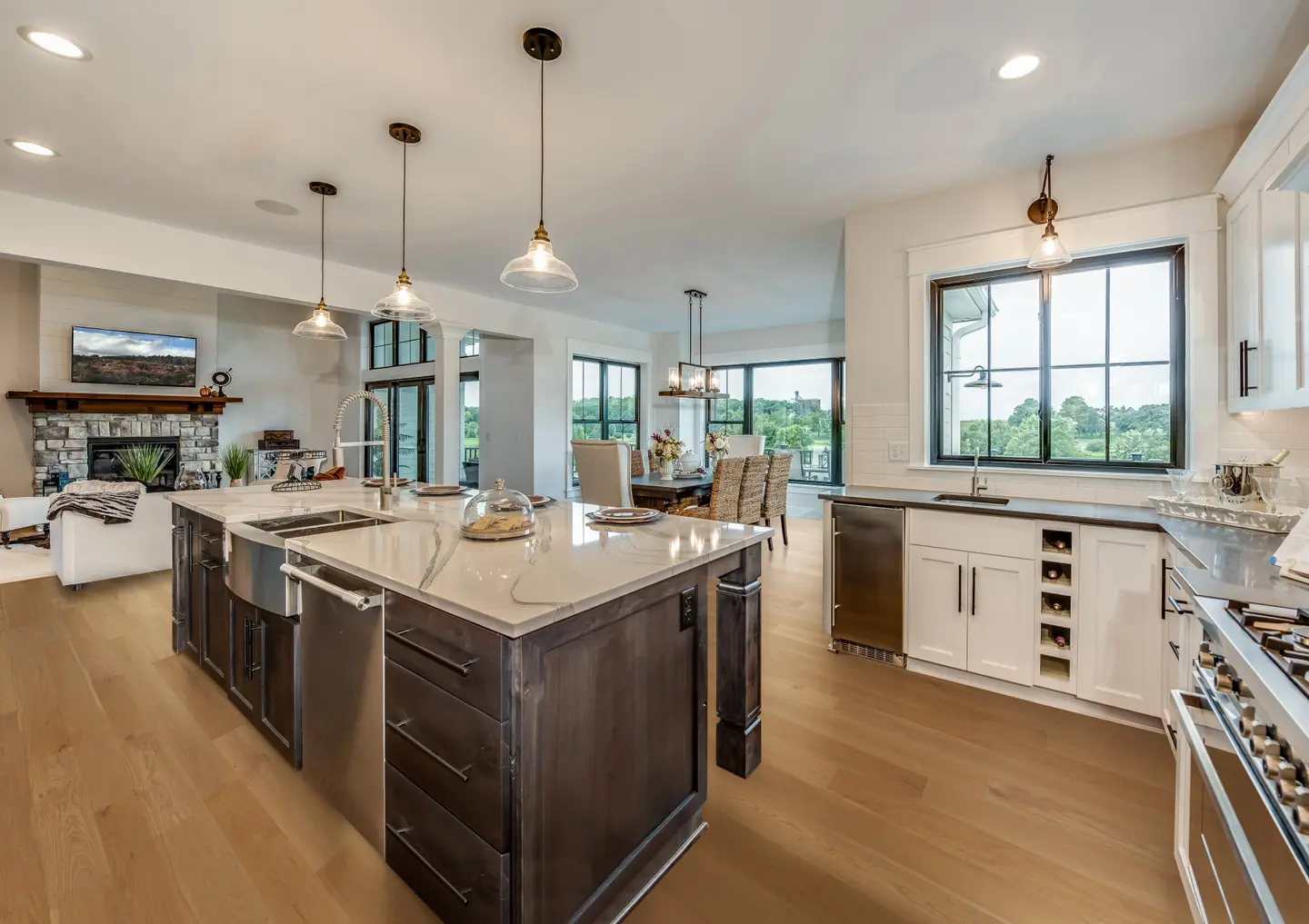
Durability in natural wood is measured by the Janka scale — a test that determines the force required to embed a steel ball into the wood. For high-traffic zones, species like Hickory and White Oak are superior to softer woods like Pine or Cherry. Engineered hardwood is particularly effective in Florida's climate with fluctuating humidity. Its layered construction provides better core stability, preventing the gaps and warping that can occur with solid planks.
If your floor does eventually show signs of wear, professional hardwood floor refinishing can restore the surface to its original beauty. This makes it a lifetime solution rather than a temporary fix. See our hardwood flooring collections for high-Janka species.
Bamboo flooring is another high-performance contender. High-quality strand-woven bamboo often achieves Janka ratings higher than Hickory. It offers an eco-friendly alternative without sacrificing the physical toughness required to withstand active pets and heavy furniture movement. Explore our bamboo flooring for premium options.
Porcelain Tile: The Ultimate "Set and Forget" Floor
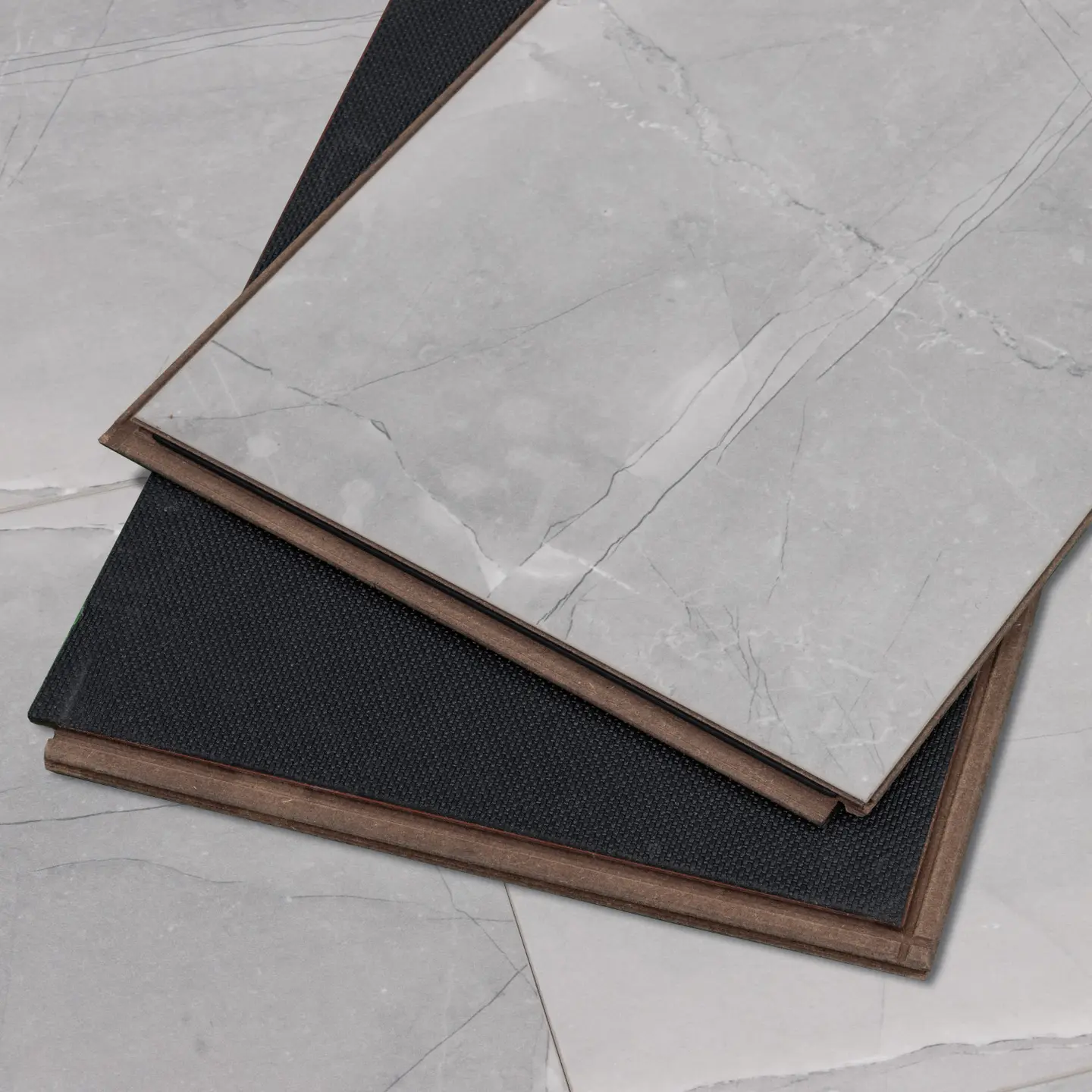
Porcelain is denser and less porous than standard ceramic. It is nearly impossible to scratch, dent, or stain. When selecting tile, you must check the PEI (Porcelain Enamel Institute) rating. Class 4 or 5 is essential for heavy residential use. These materials are manufactured to meet rigorous ASTM standards, ensuring they handle abrasion and impact without cracking.
Maintenance is where porcelain truly shines. It is the best flooring for high traffic areas like kitchens and mudrooms because it is completely unaffected by moisture. We recommend using epoxy grout for these high-use zones. Unlike traditional cement grout, epoxy is non-porous and resists bacteria and stains. If you want the warmth of natural materials with the resilience of stone, wood-look porcelain provides the perfect aesthetic compromise.
Selection Criteria: Choosing the Right Durability for Your Needs
Selecting the best flooring for high traffic areas requires a shift in perspective. You aren't just buying a product; you're solving a specific set of problems. Start by identifying your primary threat. A household with toddlers dropping heavy toys faces an impact problem. A home with three large dogs faces an abrasion and scratch problem. If your main concern is the entryway or mudroom, moisture resistance is your top priority. Match the material's strength to the room's specific chaos.
Pet-Friendly Flooring Considerations
Active pets introduce specific challenges that go beyond simple scratches. Older dogs often struggle with slick surfaces. Look for materials with a textured finish to provide better traction and prevent slips. A floor with a matte or distressed texture hides claw marks much better than a high-gloss finish. For more advice, see our Florida Flooring Humidity Guide — many of the same principles apply.
Managing the Budget for High-Traffic Areas
Don't focus solely on the upfront price. Cheap materials often have shorter lifespans and require replacement in as little as five to seven years. Investing in high-quality LVP or porcelain can extend that timeline to 20 years or more. This lower lifecycle cost makes premium materials the smarter financial move.
Splurge strategically: invest in high-performance materials for main living areas and entryways. Save money in bedrooms where foot traffic is minimal. And remember — professional installation is the final piece of the budget puzzle. Most manufacturer warranties are only valid if the material is installed according to their specific technical guidelines.
Why Professional Installation is the Final Step in Durability
Even the highest quality material can't overcome a poor foundation. You've spent time researching the best flooring for high traffic areas, but the final performance depends entirely on the installation process. If the subfloor is uneven, even premium planks will eventually separate at the seams. This creates weak points where dirt and moisture collect, leading to premature failure.
Subfloor Preparation: The Hidden Foundation
A durable floor requires a perfectly flat base. Professional installers use grinding tools and self-leveling compounds to eliminate dips and high spots. This is especially important for large-format porcelain tiles and rigid core vinyls. These materials don't flex; they need a stable, even surface to prevent cracking and joint failure.
Moisture barriers are essential for any installation over concrete. These specialized underlayments prevent ground moisture from reaching your new floor. Skipping this step is a common mistake that often voids manufacturer warranties. Investing in professional subfloor preparation is a non-negotiable requirement for a floor that lasts 20 years or more.
Precision Transitions and Expansion Gaps
Materials naturally expand and contract with temperature shifts. Expert installers leave the precise amount of space around the perimeter to prevent the floor from peaking or lifting. Finally, expert transitions protect the edges of your flooring from chipping where different materials meet. These details separate a floor that looks good today from one that performs for a lifetime.
Learn more about why professional installation matters in our guide: Why Professional Installation Trumps DIY.
The Cavalieri Flooring Standard for High-Traffic Homes
We believe that precision is the key to longevity. Our team approaches every project with a methodical, organized process. We don't just lay materials; we curate a complete solution for your home. Our comprehensive selection includes high-performance LVP, laminate, and porcelain tile designed to withstand the busiest households.
We understand the technical requirements of each material and ensure they are met with exactness. If you have existing hardwood that has lost its luster, our expert hardwood refinishing can breathe new life into your space. We help you choose the best flooring for high traffic areas based on your specific lifestyle needs and aesthetic goals.
Visit our showroom at 4301 36th St #101, Orlando, FL 32811, call (321) 424-0546, or request a free estimate online. Open Monday–Friday, 7:00 AM–5:00 PM & Saturday, 9:00 AM–3:00 PM.
Frequently Asked Questions
What is the most scratch-resistant flooring for dogs?
Porcelain tile is the most scratch-resistant option available for pet owners. Its dense, fired-clay construction is nearly impossible for claws to penetrate or scuff. High-end laminate with a textured wear layer is another excellent alternative. Choosing a matte finish also helps hide any minor surface marks that might occur over several years of use. See our laminate collections for pet-friendly options.
Is luxury vinyl plank or laminate better for high-traffic kitchens?
Luxury vinyl plank is generally better for high-traffic kitchens because it offers 100% waterproof performance. Kitchens are prone to dishwasher leaks, sink splashes, and dropped food. While modern laminate is highly scratch-resistant, LVP provides total peace of mind against moisture damage. It won't swell or buckle if a spill isn't cleaned up immediately. Browse our LVP collections.
Can hardwood floors really handle high-traffic areas?
Hardwood can handle high-traffic areas if you select the right species and finish. Hickory and White Oak are excellent choices due to their high Janka hardness ratings. The primary advantage of hardwood is its ability to be professionally refinished. If the floor shows wear after a decade, you can sand it down and apply a fresh coat of protection. This unique "reset button" makes it a viable candidate for the best flooring for high traffic areas. Explore our hardwood options.
What is an AC rating, and why does it matter for my floors?
An AC (Abrasion Class) rating is a global standard that measures a laminate floor's resistance to wear. For residential use, you should look for AC3 or AC4 ratings. High-traffic zones or light commercial spaces typically require an AC5 rating. This system helps you identify the best flooring for high traffic areas by testing how well the surface resists friction, impact, and staining. A higher rating ensures a much longer-lasting finish.
How long does luxury vinyl plank flooring last in a busy home?
High-quality luxury vinyl plank often lasts 20 to 25 years in a busy home. Longevity depends heavily on the thickness of the wear layer and the quality of the professional installation. A 20mil wear layer is the industry standard for durability in high-use rooms. Proper maintenance and avoiding harsh chemicals also extend the life of the floor. It is a durable, cost-effective investment for families who want a floor that stands up to heavy daily use.
Is porcelain tile worth the extra cost for high-traffic entryways?
Porcelain tile is absolutely worth the investment for entryways. It is the only material that is completely impervious to the standing water and heavy grit found in mudrooms. Unlike other materials, porcelain won't warp, rot, or scratch from small stones caught in shoe treads. It is a "set and forget" floor that maintains its original appearance for decades. This makes it a superior choice for the first line of defense in your home. View our porcelain tile selection.
Do I need a special underlayment for high-traffic flooring?
Specialized underlayment is often necessary to ensure the stability and comfort of your floor. It provides critical sound dampening, which is important in hallways and upstairs rooms. In homes built on concrete slabs, a moisture-rated underlayment prevents water vapor from damaging the floor from below. Some high-performance products come with pre-attached padding, but you should always verify if additional moisture barriers are required for your specific subfloor conditions.
Can I install high-traffic flooring myself to save money?
You can attempt a DIY installation, but it often leads to costly mistakes. Professional installers possess the tools and experience to manage complex subfloor leveling and moisture testing. Many manufacturers also require professional installation to keep the material warranty valid. Incorrectly installed floors can buckle, gap, or peak within the first year. Hiring an expert ensures that your investment is protected and that the floor performs exactly as promised. Learn why pros win.
Ready for Floors That Handle Real Life?
Get a free estimate for high-traffic flooring in your Orlando home. Cavalieri Flooring serves all Central Florida neighborhoods.
Or call us now: (321) 424-0546
Related Articles & Resources
- Vinyl vs. Laminate: The Ultimate Comparison
- Why Professional Installation Trumps DIY
- Best Flooring for Florida's Humidity
- 5 Wins of Coordinated Finished Stair Treads
- Shop Luxury Vinyl Plank Flooring
- Shop Laminate Flooring
- Shop Hardwood Flooring
- Shop Porcelain Tile
- LVP Installation Services
- Get a Free Flooring Estimate
Invest in Floors That Last for Decades
Whether you choose the waterproof reliability of luxury vinyl plank or the timeless strength of porcelain tile, the right choice saves you from the stress of frequent repairs and early replacements. Professional installation remains the final, essential step to ensure your material warranty stays intact and your floors remain level over time.
At Cavalieri Flooring, we help you find the best flooring for high traffic areas without compromising between style and performance. You can have a home that looks stunning and stays resilient against pets, kids, and heavy daily use.
Schedule Free Estimate