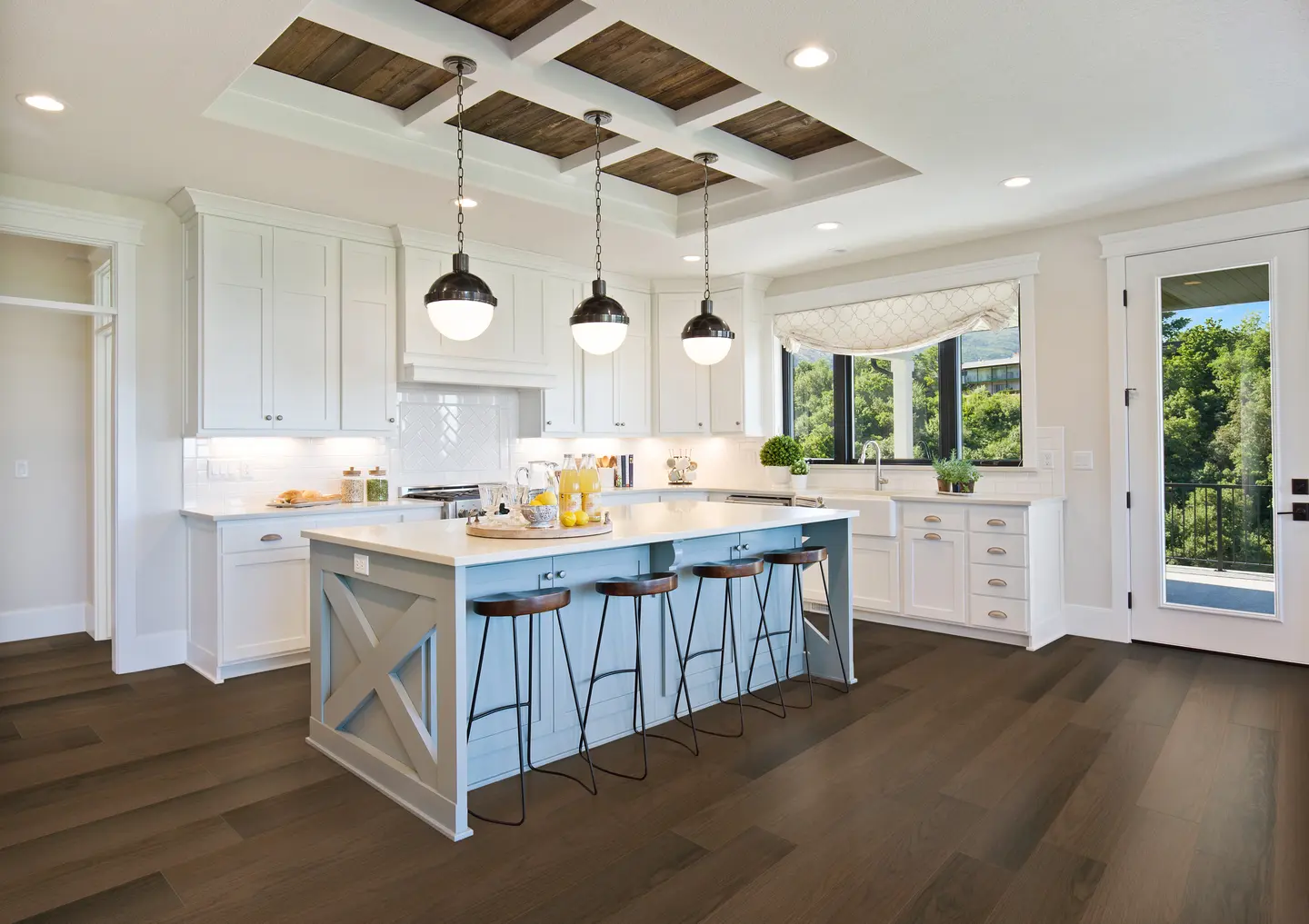
If you're shopping for vinyl flooring, you've probably encountered the terms LVP and LVT. These acronyms are everywhere in flooring showrooms and online, but what do they actually mean? Let's break down these luxury vinyl options and help you understand which might be right for your project.
💡 Key Takeaway
LVP mimics hardwood in plank format; LVT mimics stone/tile in square format. Both are 100% waterproof and durable.
What is LVP (Luxury Vinyl Plank)?
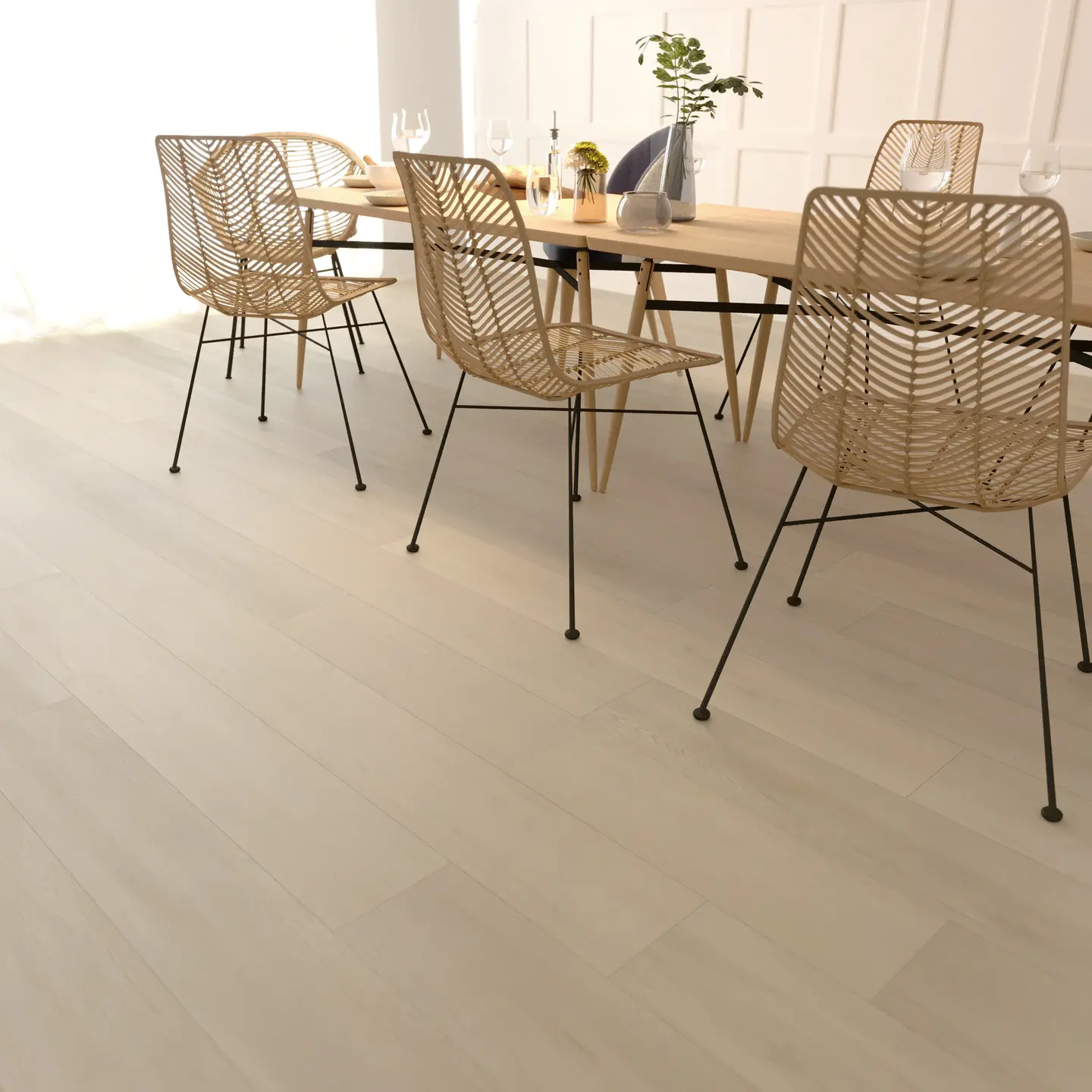
LVP stands for Luxury Vinyl Plank. As the name suggests, this flooring comes in plank format, designed to replicate the look and feel of hardwood flooring.
LVP Characteristics:
- Shape: Rectangular planks, typically 6-9 inches wide
- Length: Usually 36-60 inches long
- Thickness: Ranges from 4mm to 8mm or more
- Design: Mimics various wood species and finishes
- Texture: Embossed to match wood grain patterns
Popular LVP Styles:
- Traditional oak and maple looks
- Rustic barnwood and reclaimed styles
- Exotic hardwood appearances
- Contemporary wide-plank designs
- Hand-scraped and distressed finishes
What is LVT (Luxury Vinyl Tile)?
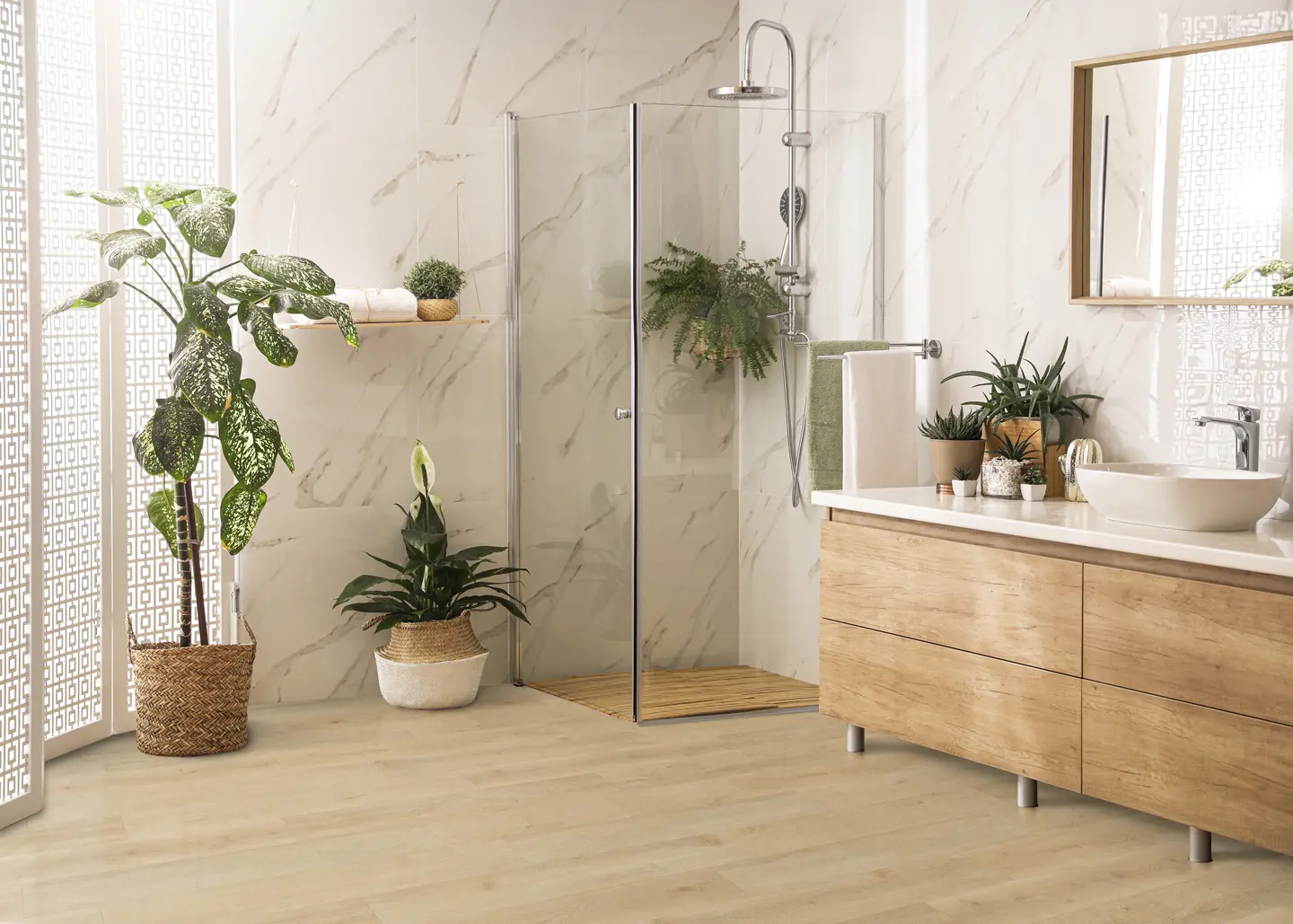
LVT stands for Luxury Vinyl Tile. This format comes in square or rectangular tiles and is designed to replicate stone, ceramic, or other tile materials.
LVT Characteristics:
- Shape: Square tiles (12"x12", 18"x18") or rectangular formats
- Design: Mimics stone, ceramic, marble, and other tile materials
- Texture: Can include grout lines and dimensional texturing
- Pattern flexibility: Allows for creative layouts and designs
- Size variety: Multiple size options for different looks
Popular LVT Styles:
- Natural stone looks (slate, travertine, marble)
- Ceramic and porcelain tile appearances
- Abstract and geometric patterns
- Brick and industrial designs
- Large format modern tiles
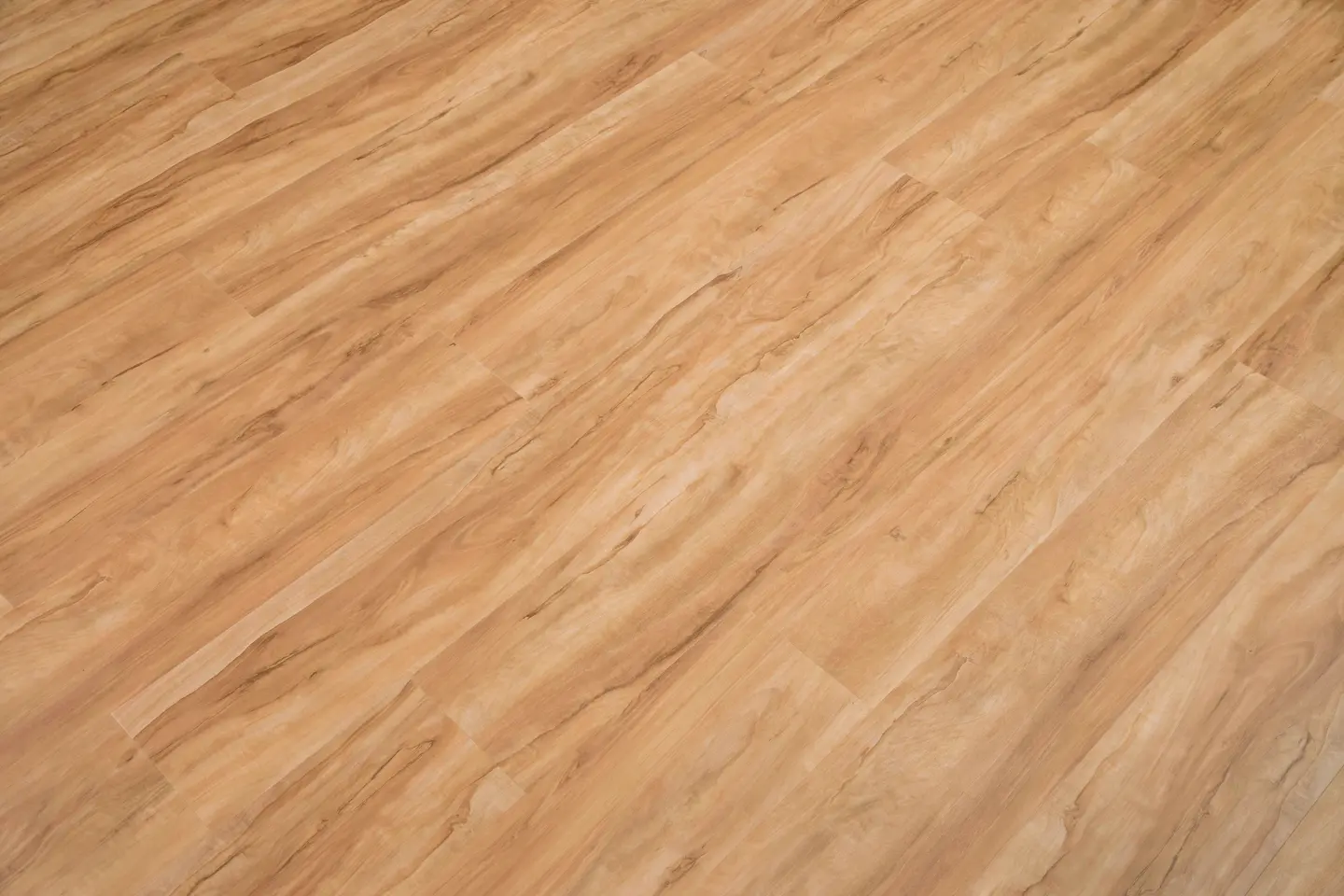
Construction: How Are They Made?
Both LVP and LVT share similar multi-layer construction:
Layer Breakdown (Bottom to Top):
- Backing Layer: Provides stability and moisture resistance
- Core Layer: Main structural component (vinyl or composite)
- Design Layer: High-resolution photographic image
- Wear Layer: Clear protective coating (measured in mils)
- Optional Top Coating: Additional protection or texture
Key Differences Between LVP and LVT
Format and Appearance
LVP (Luxury Vinyl Plank)
- Plank format mimics hardwood
- Wood grain textures and colors
- Installed in running bond pattern
- Creates linear, elongated appearance
LVT (Luxury Vinyl Tile)
- Tile format mimics stone/ceramic
- Stone textures and tile patterns
- Various installation patterns possible
- Creates more geometric appearance
Installation Flexibility
LVP Installation
- Typically installed in straight rows
- Some diagonal installation possible
- Click-lock systems very common
- Easier for DIY installation
LVT Installation
- Multiple pattern options (straight, diagonal, offset)
- Creative layouts and borders possible
- Often glue-down installation
- More design complexity options
Which Should You Choose?
Choose LVP When:
- You want the look of hardwood flooring
- Installing in living rooms, bedrooms, or hallways
- You prefer easier DIY installation
- You want to create a warm, residential feel
- Budget is a primary concern (generally less expensive)
Choose LVT When:
- You want the look of stone or ceramic tile
- Installing in bathrooms, kitchens, or entryways
- You enjoy creative pattern designs
- You want a more commercial or modern appearance
- You need various sizes for design flexibility
Understanding Core Types
Both LVP and LVT come with different core constructions:
Flexible Vinyl Core
- Traditional vinyl construction
- More affordable option
- Requires smooth subfloors
- Good for low-traffic areas
Rigid Core (SPC/WPC)
- SPC (Stone Plastic Composite): Dense, stable, thinner
- WPC (Wood Plastic Composite): Softer, warmer, thicker
- Superior dimensional stability
- Better for uneven subfloors
- Premium pricing but enhanced performance
Quality Factors for Both LVP and LVT
- Wear Layer Thickness: 12 mil minimum, 20+ mil for high traffic
- Overall Thickness: 4mm minimum, 6-8mm preferred
- Edge Sealing: Prevents moisture infiltration
- Locking System: Secure click-lock for floating installations
- Design Realism: High-definition printing and matching textures
- Warranty: 15+ year residential warranties indicate quality
Cavalieri's LVP and LVT Collections
Our LVP Collections:
- Legends Collection: Premium 8mm rigid core planks
- Laguna Collection: Coastal-inspired wood looks
- Longboards Collection: Extra-wide 9" planks for dramatic impact
- Select Collection: Quality construction at accessible prices
Why Choose Cavalieri LVP/LVT:
- Premium wear layers for extended durability
- Realistic textures and authentic designs
- Rigid core construction for stability
- Comprehensive warranties
- Professional installation support
Installation Considerations
Subfloor Requirements:
- Clean, dry, and level surface
- Moisture testing in basements and concrete slabs
- Proper acclimation time (24-48 hours)
- Appropriate underlayment if required
Tools Needed:
- Saw (circular, miter, or jigsaw)
- Spacers for expansion gaps
- Tapping block and pull bar
- Measuring tools and chalk line
- Safety equipment (glasses, knee pads)
LVP vs LVT: Key Differences at a Glance
Once you understand that both products are luxury vinyl built from the same multi-layer recipe, the choice between LVP and LVT really comes down to a handful of practical differences. The most obvious is format: LVP arrives as long, narrow planks engineered to read as real hardwood, while LVT comes as squares or shorter rectangles designed to imitate stone, marble, slate, or ceramic. That single distinction shapes nearly everything else about how the floor looks and where it tends to be used.
Appearance is the next big differentiator. LVP creates the warm, continuous, linear flow that homeowners associate with wood floors, which makes a room feel longer and more inviting. LVT leans cooler and more architectural, with the ability to add grout lines, borders, and geometric layouts that mimic a custom tile installation at a fraction of the labor. If you want a space to feel cozy and residential, planks usually win; if you want a crisp, high-end stone or tile aesthetic in a bath or entry, tile is hard to beat.
Installation and price round out the comparison. LVP is most often sold as a click-lock floating floor, which is faster to install and friendlier to DIYers, and it is frequently a bit more budget-friendly per square foot. LVT is more likely to be glued down and can include groutable systems, which adds labor but unlocks the realistic tile look. Both are 100% waterproof, both resist dents and scratches with a quality wear layer, and both can last 20 years or more when properly specified, so neither option is a compromise in durability.
When to Choose LVP vs LVT
The smartest way to decide between LVP and LVT is to think room by room and let the look you want lead the way. In living rooms, bedrooms, hallways, and open-concept main living areas, LVP is almost always the better fit. The plank format flows continuously across large spaces, the wood look feels warm underfoot, and the floating click-lock systems make installation efficient across the big square footage these rooms usually demand.
LVT comes into its own in spaces where a stone or ceramic look elevates the design. Bathrooms, powder rooms, mudrooms, laundry rooms, and entryways are natural homes for tile-format vinyl, especially when you want grout lines and a more formal, finished appearance. Because LVT can be laid in straight, diagonal, offset, or patterned arrangements, it is also a great choice for accent areas, kitchen and dining zones, and feature spaces where you want the floor to make a statement.
Style continuity matters too. Many homeowners run LVP throughout the main floor for a seamless wood look, then switch to a coordinating LVT in the bathrooms for a touch of stone-inspired luxury. Others keep it simple and use one product everywhere for a unified feel and a single material to maintain. If you are torn, our team can lay sample boards side by side in your space, and you can always start with a free in-home estimate to see how each option looks under your actual lighting.
Installation Methods Compared
Luxury vinyl is installed using three main methods, and understanding them helps explain why LVP and LVT often behave differently on the jobsite. The most popular is the click-lock floating floor, where planks or tiles snap together edge-to-edge and rest over the subfloor without glue or nails. Floating floors are forgiving, fast, and easy to repair because individual pieces can be disassembled back to a damaged board, which is why most LVP is sold this way.
Glue-down installation bonds each piece directly to the subfloor with adhesive, creating an extremely stable, solid-feeling floor that handles heavy traffic and large temperature swings well. This method is common with LVT, particularly in commercial settings and in bright, sun-exposed rooms where you want to minimize any chance of movement. Glue-down requires a very clean, smooth, and flat subfloor, so proper prep is essential, and our installers handle the leveling and moisture testing that make these floors last.
Groutable LVT is a third option that takes the tile illusion further by leaving small gaps between tiles that are filled with real or vinyl grout. The result is remarkably convincing, but it adds labor and a grout-maintenance step that standard floating floors do not have. Whichever method fits your project, professional vinyl flooring installation protects your warranty and ensures the expansion gaps, underlayment, and acclimation steps are done correctly the first time.
Best Choice for Orlando Homes
Central Florida puts unique demands on a floor, and that climate context should guide your LVP versus LVT decision. Our long season of high humidity, intense heat, and frequent afternoon storms means moisture is a constant factor, and most Orlando homes are built on concrete slab-on-grade foundations that can wick ground moisture upward. The good news is that both LVP and LVT are 100% waterproof, so unlike hardwood or laminate, they will not swell, cup, or buckle when exposed to humidity or the occasional spill.
For most Orlando living spaces, rigid-core LVP with an SPC (stone plastic composite) core is the standout choice. The dense SPC core resists the expansion and contraction that heat and sun can cause, holds its shape over slab subfloors, and tolerates the temperature swings of lanais, sunrooms, and rooms with big west-facing windows. Pair it with a quality wear layer of 20 mil or more and you get a floor that shrugs off sandy shoes, pet traffic, and our humid summers for decades.
In bathrooms, laundry rooms, and entryways where you want a stone look, LVT performs just as confidently in Florida humidity, and a glue-down or groutable installation keeps everything locked tight against moisture. Because our slabs can transmit moisture, professional moisture testing and subfloor prep are especially important here in Central Florida. To see waterproof LVP and LVT styles built for our climate, browse our vinyl flooring collections, and if you are weighing vinyl against other materials, our vinyl vs laminate comparison breaks down why waterproof vinyl is usually the safer pick in Florida.
Frequently Asked Questions
What is the difference between LVP and LVT?
LVP (Luxury Vinyl Plank) comes in long, narrow planks that imitate hardwood, while LVT (Luxury Vinyl Tile) comes in squares or rectangles that imitate stone, marble, or ceramic tile. Both are made from the same waterproof multi-layer vinyl construction, so the main differences are the shape, the look they create, and the installation method most often used with each.
Which is more durable, LVP or LVT?
Durability depends far more on the wear layer and core than on whether the product is a plank or a tile. A quality LVP or LVT with a 20 mil or thicker wear layer and a rigid SPC core will both last 20 years or more in a busy home. Choose the highest wear layer your budget allows for high-traffic areas, and either format will hold up beautifully.
Can LVT really look like natural stone?
Yes. Modern LVT uses high-resolution photographic imaging and embossed texturing to convincingly replicate marble, travertine, slate, and ceramic, right down to the surface feel. Groutable LVT goes a step further by adding real grout lines between tiles, making it nearly indistinguishable from a true stone or tile floor while remaining warmer, softer, and fully waterproof underfoot.
Is there a cost difference between LVP and LVT?
The two are usually priced in a similar range, with the product quality, core type, and wear layer mattering more than the format. LVP can be slightly more budget-friendly to install because floating click-lock systems go down quickly, while glue-down or groutable LVT can add labor cost. For an accurate number on your project, request a free estimate and we will price the exact product and installation method you need.
Which is better for bathrooms, LVP or LVT?
Both are 100% waterproof and work well in bathrooms, so it comes down to the look you want. LVT in a stone or tile pattern gives bathrooms a classic, spa-like feel and pairs nicely with grout lines, while LVP delivers a warm wood look that can flow seamlessly from the rest of your home. In humid Florida bathrooms, a glue-down installation keeps either option locked tight against moisture.
Need Help Choosing the Right Floor?
Our flooring experts are ready to help you find the perfect match for your space.
Or call us now: (321) 424-0546
Recommended Products
Related Articles & Resources
Ready to explore LVP and LVT options?
Visit our showroom to see the difference between LVP and LVT in person. Our experts can help you choose the perfect luxury vinyl for your specific needs.
Shop Vinyl Collections