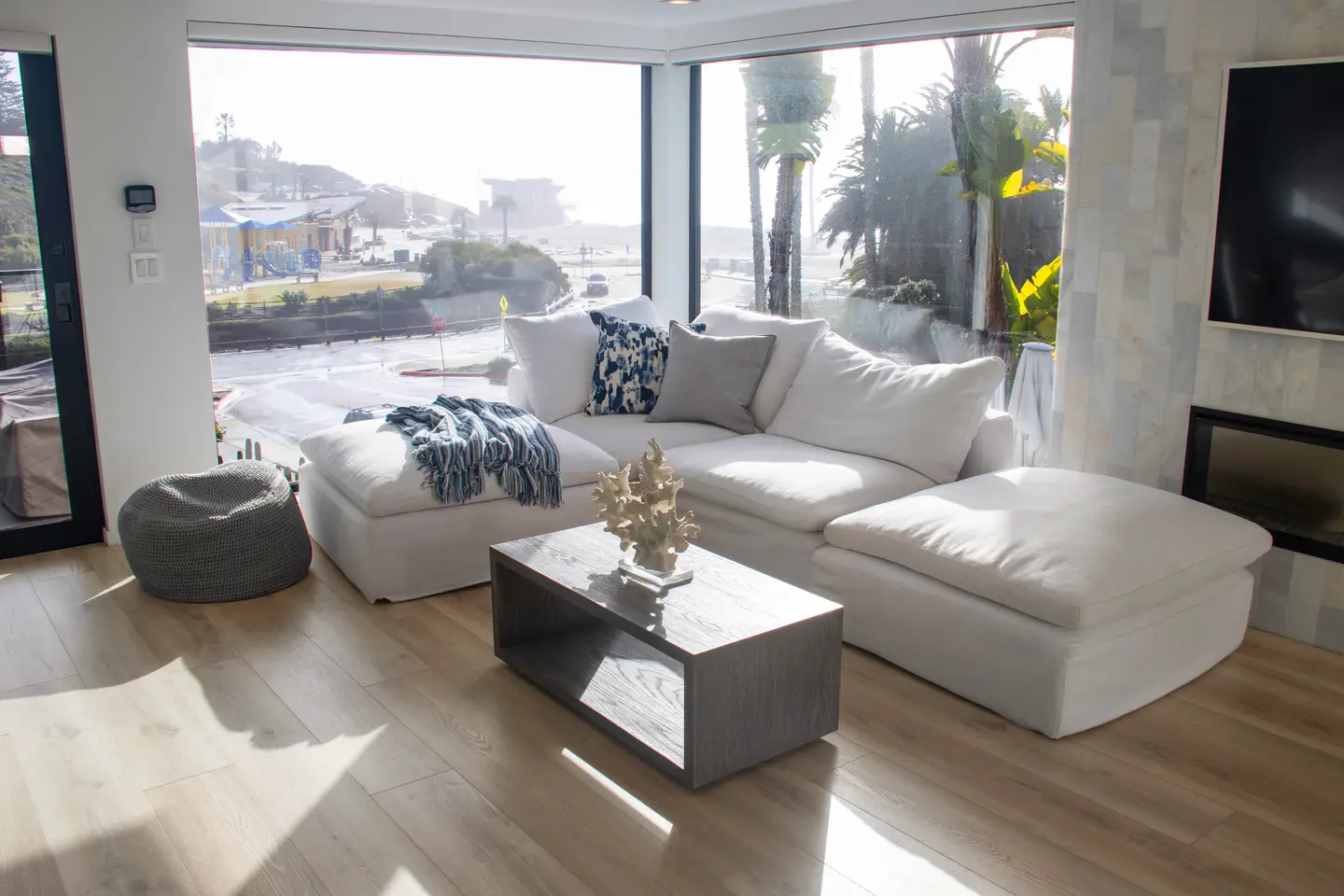
Choosing between vinyl and laminate flooring is one of the most common dilemmas homeowners face. Both offer attractive, affordable alternatives to hardwood, but they have distinct characteristics that make each better suited for different situations. Let's break down the key differences to help you decide.
💡 Key Takeaway
Vinyl wins for water resistance and flexibility; laminate wins for scratch resistance and a more natural feel. Both are excellent budget-friendly choices.
Water Resistance: Vinyl Wins
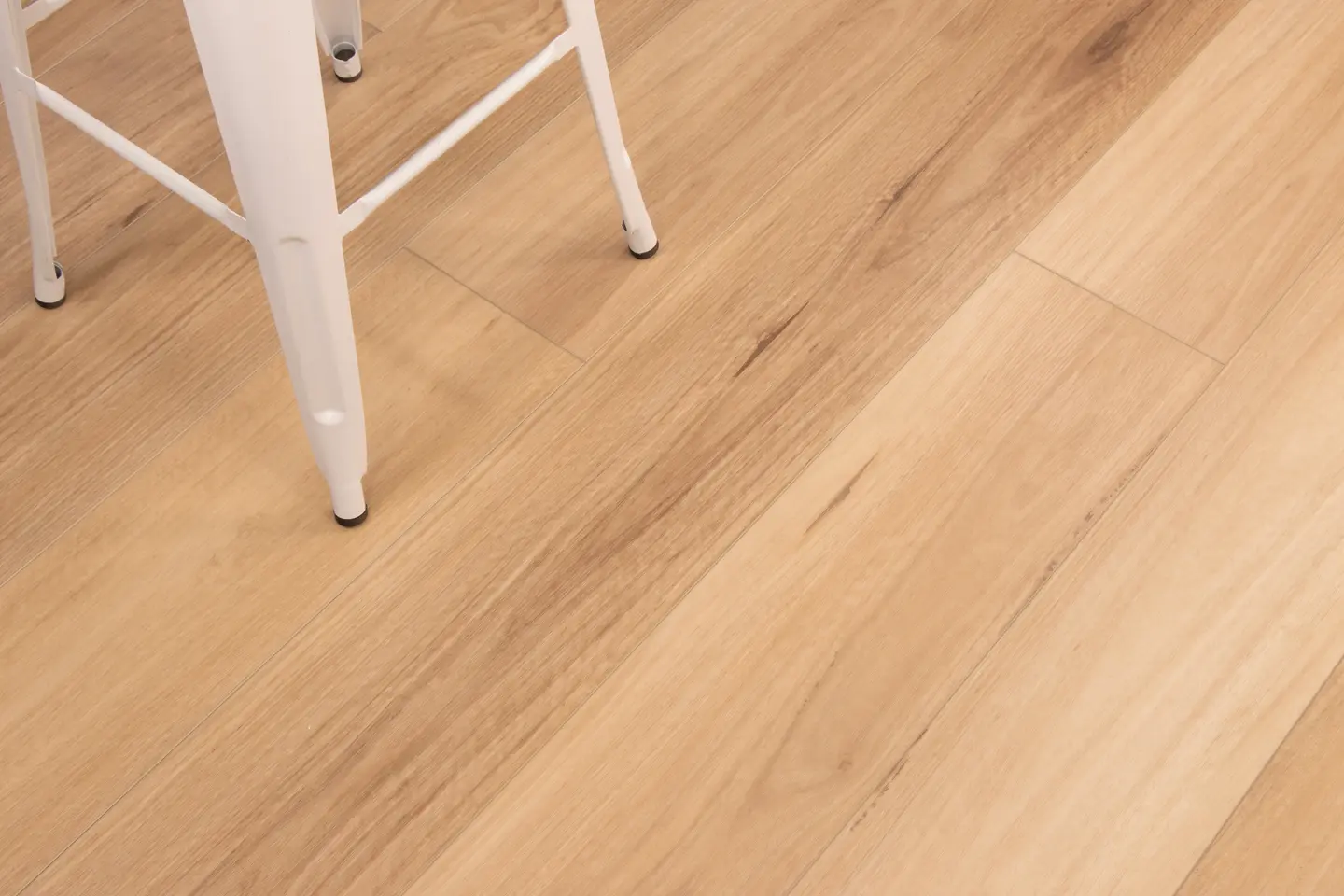
Vinyl Flooring
- 100% waterproof construction
- Perfect for bathrooms, kitchens, and basements
- Can handle standing water without damage
- Easy cleanup of spills and accidents
Laminate Flooring
- Water-resistant but not waterproof
- Can handle spills if cleaned quickly
- Standing water can cause swelling and damage
- Not recommended for full bathrooms
Durability: It's Complicated
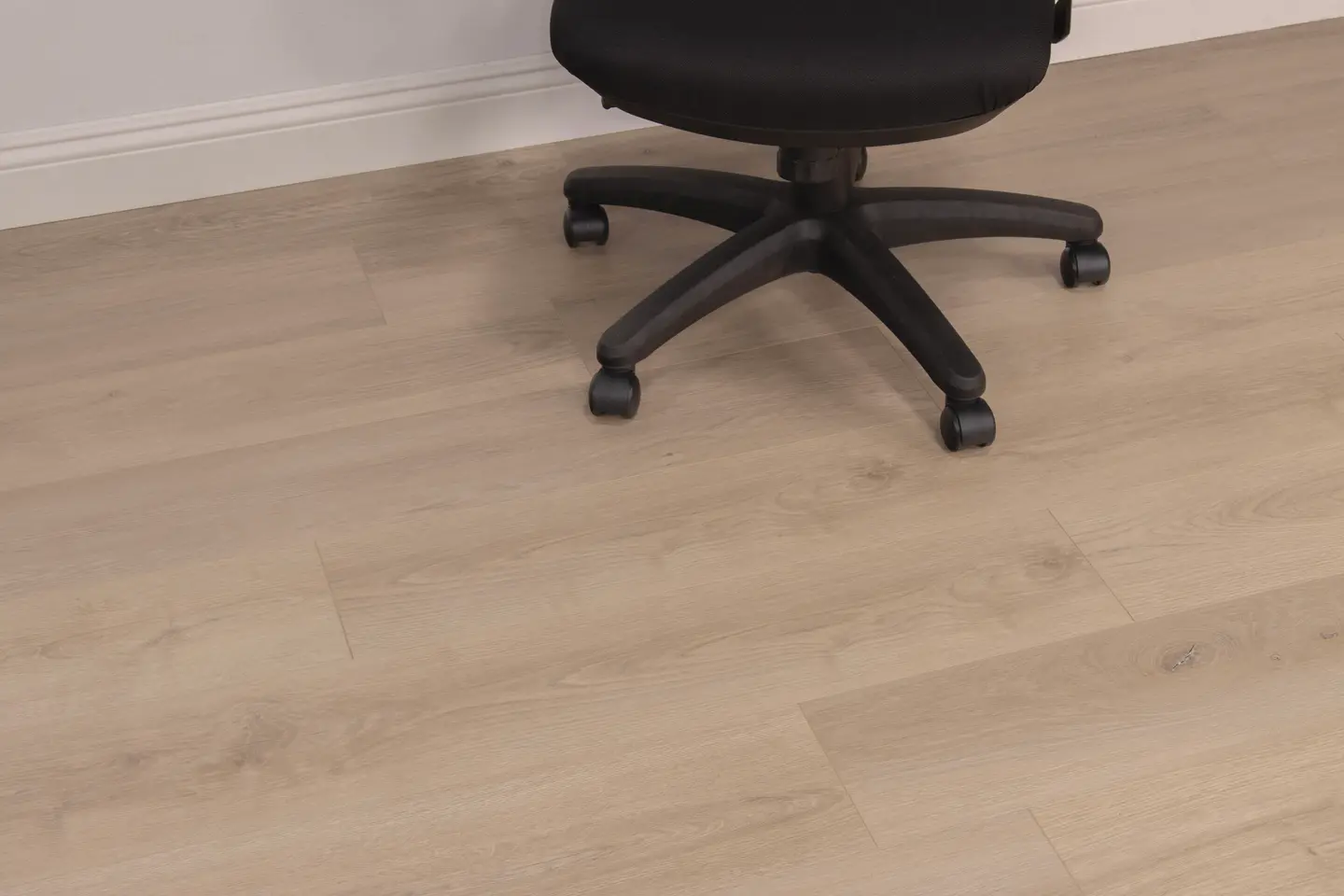
Vinyl Flooring
- Softer surface can dent from heavy furniture
- Susceptible to tears and cuts
- UV rays can cause fading
- Lifespan: 10-20 years depending on quality
Laminate Flooring
- Hard surface resists dents and scratches
- More resistant to heavy furniture
- Better fade resistance
- Lifespan: 15-25 years with proper care
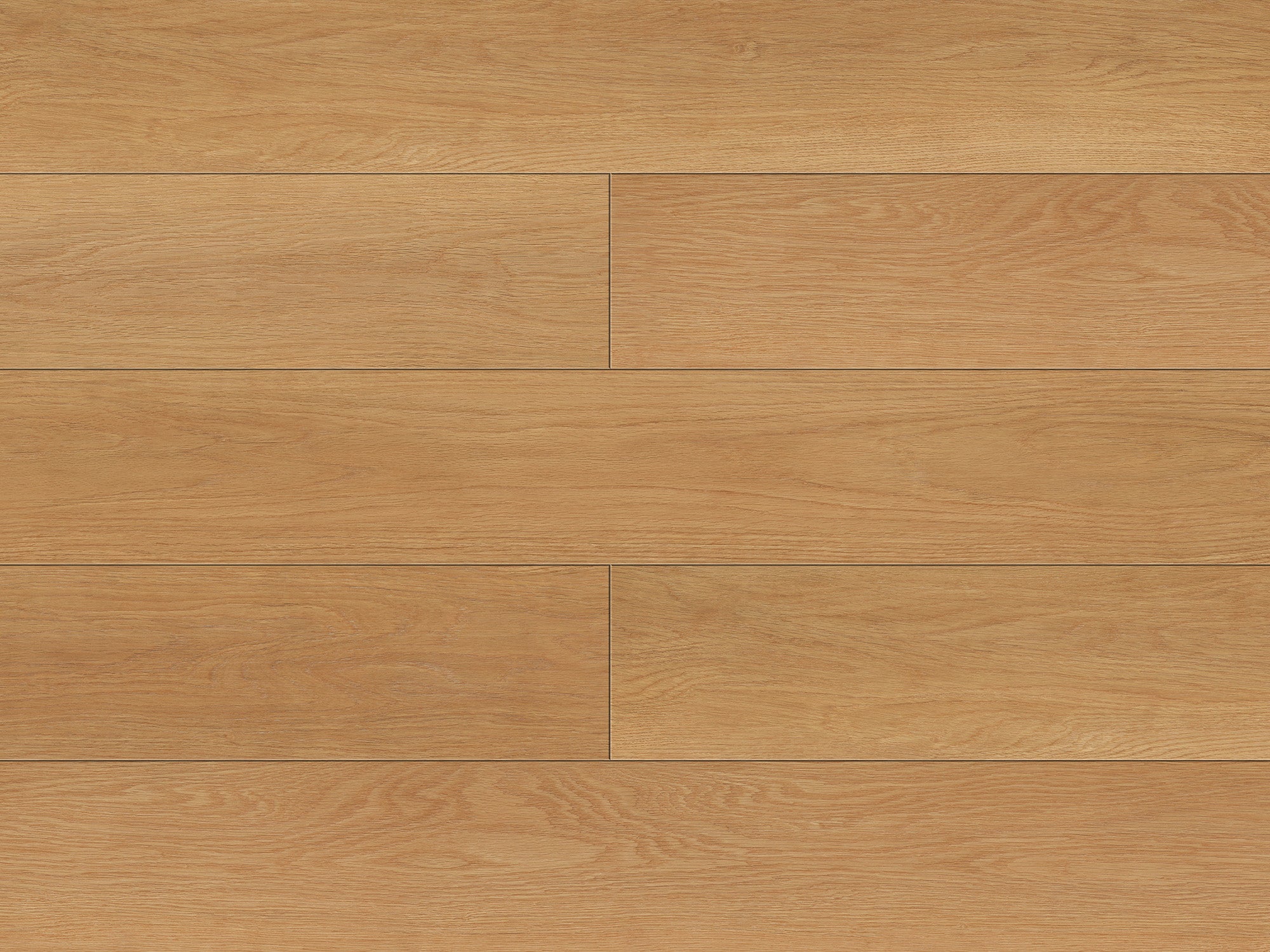
Comfort and Feel: Vinyl Wins
Vinyl Flooring
- Softer underfoot, more comfortable for standing
- Warmer surface temperature
- Some cushioning effect
- Quieter to walk on
Laminate Flooring
- Harder surface can be tiring to stand on
- Feels colder, especially in winter
- Can be noisier without proper underlayment
- More similar to hardwood in feel
Installation: Both DIY-Friendly
Vinyl Flooring
- Click-lock or adhesive installation
- Can be installed over most existing floors
- Requires perfect subfloor smoothness
- More forgiving with irregular subfloors
Laminate Flooring
- Click-lock floating floor system
- Requires moisture barrier in some areas
- Cannot be installed over carpet
- More rigid, requires level subfloor
Cost Comparison
Vinyl Flooring
- Basic: $2-4 per sq ft
- Premium: $4-8 per sq ft
- Installation: $1-3 per sq ft
- Total: $3-11 per sq ft installed
Laminate Flooring
- Basic: $1-3 per sq ft
- Premium: $3-7 per sq ft
- Installation: $2-4 per sq ft
- Total: $3-11 per sq ft installed
Appearance and Style
Vinyl Flooring
- Extremely realistic wood and stone textures
- Can mimic tile grout lines perfectly
- Wide variety of colors and patterns
- Some premium options look incredibly authentic
Laminate Flooring
- High-definition photographic layer
- Embossed textures that match the image
- More limited in tile and stone options
- Excellent wood looks, especially in premium lines
Environmental Impact
Vinyl Flooring
- Made from PVC, not easily recyclable
- Can emit VOCs, though low in quality products
- Long manufacturing process
- Not biodegradable
Laminate Flooring
- Made primarily from wood fiber
- More recyclable components
- Some formaldehyde concerns in lower-grade products
- Generally considered more eco-friendly
Best Use Cases
Choose Vinyl When:
- Installing in bathrooms, laundry rooms, or basements
- You want maximum water protection
- Comfort underfoot is important
- You have pets or young children
- You want the most realistic tile or stone look
Choose Laminate When:
- Installing in bedrooms and living areas
- You want the most authentic hardwood appearance
- Scratch resistance is important
- You prefer a harder, more solid feel
- Environmental impact is a concern
The Verdict
There's no universal "better" choice between vinyl and laminate. The right option depends on your specific needs:
- For wet areas: Vinyl is the clear winner
- For high-traffic areas: Both work well, but laminate may last longer
- For comfort: Vinyl provides a softer, warmer feel
- For appearance: Both can look incredibly realistic
- For budget: Both offer options at every price point
Water Resistance: The Deciding Factor in Florida
In most parts of the country, the vinyl-versus-laminate debate is genuinely close. In Central Florida, the climate tips the scale hard toward vinyl. Orlando homes deal with year-round humidity that regularly sits between 70 and 90 percent, summer afternoon storms that track moisture indoors, and the constant threat of plumbing leaks and appliance overflows. Add the fact that the vast majority of Florida houses are built on concrete slab-on-grade foundations, and moisture management becomes the single most important flooring consideration in our market.
Vinyl is waterproof to the core. The PVC composition that makes up an SPC or WPC plank does not absorb water, swell, or break down when it gets wet, so a dishwasher leak or a kid's bath splash is a cleanup chore rather than a replacement project. Laminate is a different story. Even premium "water-resistant" laminate is built on a high-density fiberboard core, and fiberboard is essentially compressed wood. When water finds its way into the seams and reaches that core, the plank can swell, peak at the edges, and delaminate. Once that happens, the damage is permanent and the affected boards must be replaced.
This matters more in Florida than almost anywhere else because of subfloor moisture. Concrete slabs naturally wick humidity upward through a process called vapor drive, and that moisture can attack the underside of a floating floor over months and years. A proper moisture barrier and a moisture test go a long way, which is why professional subfloor prep and repair is worth the investment regardless of which product you choose. But all else being equal, vinyl simply gives Florida homeowners a much wider margin for error against both surface spills and slab humidity. If you want a floor you never have to think about during hurricane season, vinyl is the safer bet.
Cost Comparison: What You Really Pay Over Time
On a spec sheet, vinyl and laminate land in roughly the same price range, but the real cost picture has more nuance than the per-square-foot sticker suggests. Entry-level laminate is often a dollar or two cheaper than comparable vinyl, which makes it attractive for tight budgets and large square footage. Vinyl tends to cost a little more up front, especially for thicker SPC products with heavy wear layers, but it frequently closes that gap on the installation and longevity side of the equation.
Installation is where the two products diverge. Laminate is a rigid floating floor that demands a very flat, level subfloor, so on an uneven Florida slab you may be paying for self-leveling compound before a single plank goes down. Vinyl, particularly flexible glue-down and thinner click products, is more forgiving of minor subfloor imperfections and can sometimes be installed over existing hard surfaces, trimming prep costs. When you total materials plus labor, both typically land between roughly $3 and $11 per square foot installed, but the line items that drive that range are different for each.
The bigger story is lifetime cost. A floor that has to be partially replaced after a single bad leak is not actually cheaper, even if it cost less per box. In a humid climate where water incidents are a question of when rather than if, vinyl's waterproof core can save you the cost and hassle of replacing swollen boards down the road. If you want hard numbers for your specific space, a free estimate from our team breaks down materials, prep, and labor so you can compare apples to apples instead of guessing from a brochure.
Which Is Better for Each Room
The smartest way to settle the vinyl-versus-laminate question is to stop thinking about your whole house at once and instead look room by room. Different spaces have different demands, and the right answer often changes from one doorway to the next.
Kitchens. Kitchens see spills, dropped pots, dishwasher leaks, and constant foot traffic. Vinyl is the better all-around choice here because it shrugs off standing water and is comfortable to stand on while you cook. Laminate can work in a kitchen if you commit to wiping up spills immediately, but the risk of edge swelling near the sink and dishwasher makes vinyl the lower-stress option.
Bathrooms and laundry rooms. These are wet rooms, plain and simple, and they are the easiest call in the entire comparison. Waterproof vinyl belongs in full bathrooms and laundry areas, while laminate should generally be kept out of them. Standing water from a tub, shower, or washing machine line will eventually find a laminate seam and ruin it.
Bedrooms and living areas. These dry, lower-moisture spaces are where laminate shines. Its harder surface resists scratches and dents from furniture and foot traffic, and premium laminate often delivers the most convincing hardwood look and feel. If you love the authenticity of real wood grain in a bedroom or formal living room, laminate is a strong pick.
Basements and below-grade spaces. True basements are rare in Florida, but ground-floor slab rooms behave similarly when it comes to rising moisture. Vinyl's waterproof core and tolerance for slab humidity make it the clear winner for any room sitting directly on concrete. Many Orlando homeowners run vinyl throughout the main level for exactly this reason and reserve laminate for upstairs bedrooms.
Installation and Repair Differences
Both vinyl and laminate are popular with installers and ambitious DIYers because they use click-lock systems that float over the subfloor without nails or troweled adhesive. The differences show up in subfloor requirements and in how each product behaves once it is down. Laminate is rigid and unforgiving about flatness; a high spot or dip in the slab telegraphs through the floor and can stress the locking joints until they separate. Vinyl, especially flexible and thinner formats, conforms better to small imperfections, though premium SPC vinyl is rigid enough that it still benefits from a smooth, level base.
Acclimation and expansion also differ. Vinyl is dimensionally stable and barely reacts to temperature swings, so it handles a sunroom or a Florida room with big day-to-night temperature changes more gracefully. Laminate expands and contracts more with humidity and heat, which is why a generous expansion gap around the perimeter is non-negotiable in our climate. Skip that gap and a laminate floor can buckle on the first hot, humid week of summer.
Repairs favor vinyl as well. A damaged click-lock vinyl plank can be unlocked and swapped, and glue-down vinyl planks can be cut out and replaced individually, so an isolated gouge or water incident rarely means redoing the room. Laminate can be repaired the same way in theory, but because water damage usually swells multiple boards at once and discontinued styles are hard to color-match, laminate repairs tend to be larger and more disruptive. Whichever you choose, professional vinyl flooring installation protects your manufacturer warranty and ensures the expansion gaps, underlayment, and moisture barriers are done right the first time.
Durability, Resale Value, and Long-Term Performance
Durability is the one category where laminate genuinely competes with and sometimes beats vinyl. Laminate's hard, fused surface and high AC ratings make it excellent at resisting surface scratches and dents from heavy furniture, pet claws, and dragged chairs. Quality laminate can last 15 to 25 years in a dry, well-maintained space. Vinyl, with its softer surface, can be more prone to dents under heavy point loads and to gouges from sharp objects, though a thick wear layer of 20 mil or more closes much of that gap and adds excellent everyday scratch resistance.
Sunlight is worth a special mention in Florida. Our intense UV exposure can fade flooring near large windows and sliding doors over time. Higher-grade products of both types include UV-stable finishes, but it is smart to confirm fade resistance before you buy if you have a sun-drenched great room. For resale, both materials are widely accepted by today's buyers, and a clean, modern floor in a neutral wood tone helps any listing. In Florida specifically, waterproof vinyl can be a small selling point because buyers here are climate-savvy and value low-maintenance, water-tolerant floors. You can browse current options across our vinyl collections and laminate collections to compare looks and wear ratings side by side.
Frequently Asked Questions
Which lasts longer, vinyl or laminate flooring?
In dry, well-maintained rooms, premium laminate can last 15 to 25 years and resists surface scratches slightly better thanks to its hard fused top layer. Quality vinyl with a thick wear layer lasts a comparable 15 to 25 years and pulls ahead in any space exposed to moisture, because it will not swell or delaminate the way laminate can. In a humid Florida home, vinyl usually delivers the longer practical lifespan.
Which is cheaper, vinyl or laminate?
Entry-level laminate is often a dollar or two per square foot cheaper than comparable vinyl, so it can win on pure up-front material cost. Once you factor in subfloor leveling, installation, and the cost of replacing water-damaged boards over time, the gap narrows and vinyl is frequently the better long-term value in wet or humid spaces.
Which is better for pets, vinyl or laminate?
Both are good pet floors, but they win for different reasons. Laminate resists scratches from claws a bit better, while vinyl is fully waterproof, so accidents and water-bowl spills wipe up without harming the floor. For most pet owners, especially with dogs or multiple animals, waterproof vinyl is the more worry-free choice.
Can vinyl or laminate go in bathrooms?
Vinyl is fully waterproof and is an excellent choice for full bathrooms, powder rooms, and laundry areas. Laminate should generally be kept out of full bathrooms because standing water can seep into the seams and swell its fiberboard core. If you want a wood look in a wet room, choose vinyl.
Does vinyl or laminate add more resale value?
Both are accepted by today's buyers and look great in listing photos when installed in a clean, neutral wood tone. In Central Florida, waterproof vinyl can be a slight advantage because local buyers value low-maintenance, water-tolerant floors that hold up to our humidity. Quality installation matters more to resale than the material choice itself.
Need Help Choosing the Right Floor?
Our flooring experts are ready to help you find the perfect match for your space.
Or call us now: (321) 424-0546
Recommended Products
Related Articles & Resources
Still deciding?
Visit our showroom to see and feel both vinyl and laminate options from Cavalieri Flooring. Our experts can help you choose the perfect flooring for each room in your home.
Explore Vinyl Explore Laminate