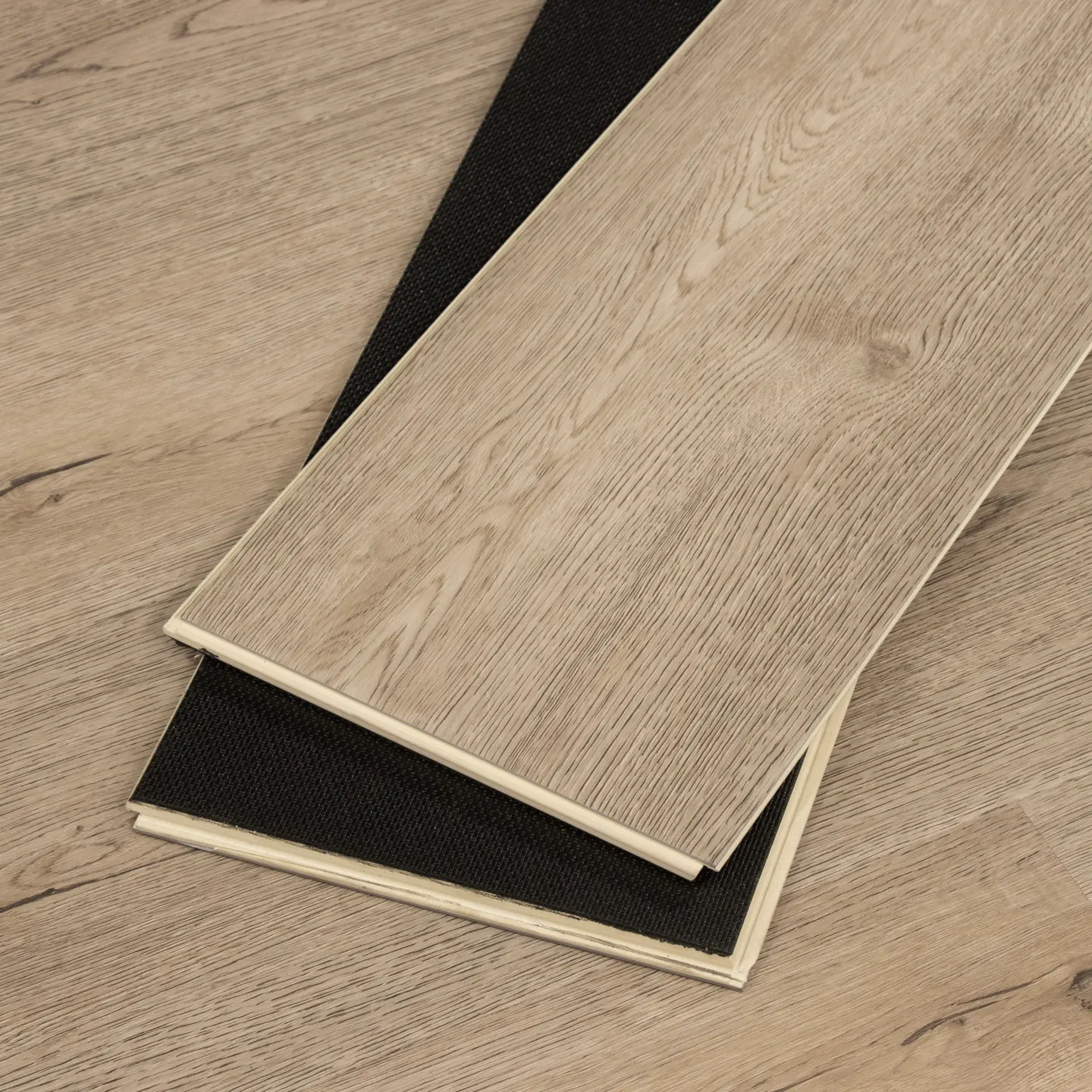
While vinyl flooring has gained tremendous popularity for its affordability, durability, and water resistance, it's important to understand its potential drawbacks before making your flooring decision. Here are the key downsides to consider:
💡 Key Takeaway
While vinyl has some limitations, modern rigid-core LVP addresses most traditional concerns including durability, appearance, and environmental impact.
Durability Limitations
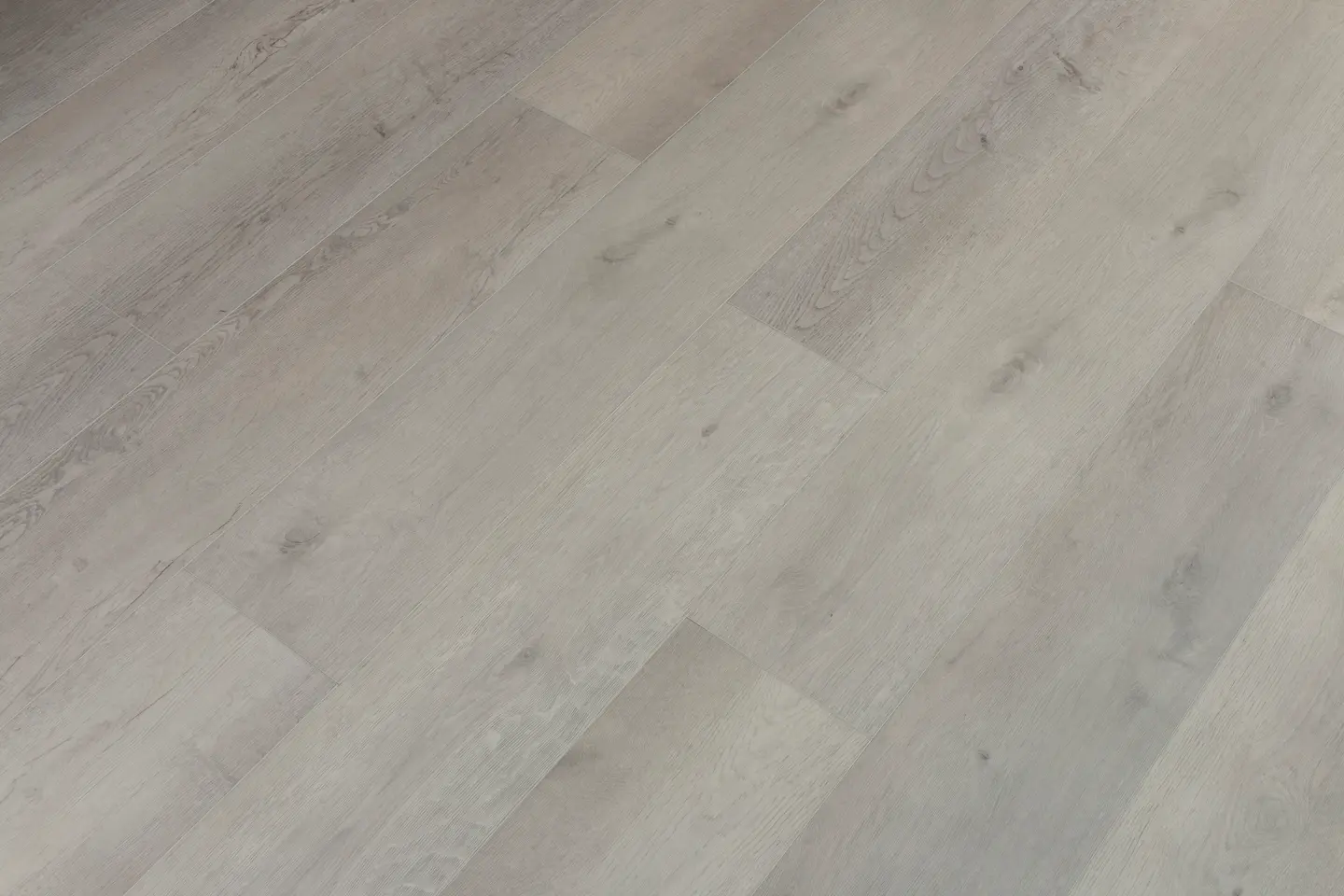
Despite being marketed as durable, vinyl flooring has several limitations:
- Susceptible to tears and punctures: Heavy furniture or sharp objects can permanently damage vinyl
- Difficult repairs: Individual planks or tiles can be challenging to replace
- Wear layer thickness matters: Cheaper vinyl with thin wear layers shows wear quickly
- UV sensitivity: Prolonged sun exposure can cause fading and discoloration
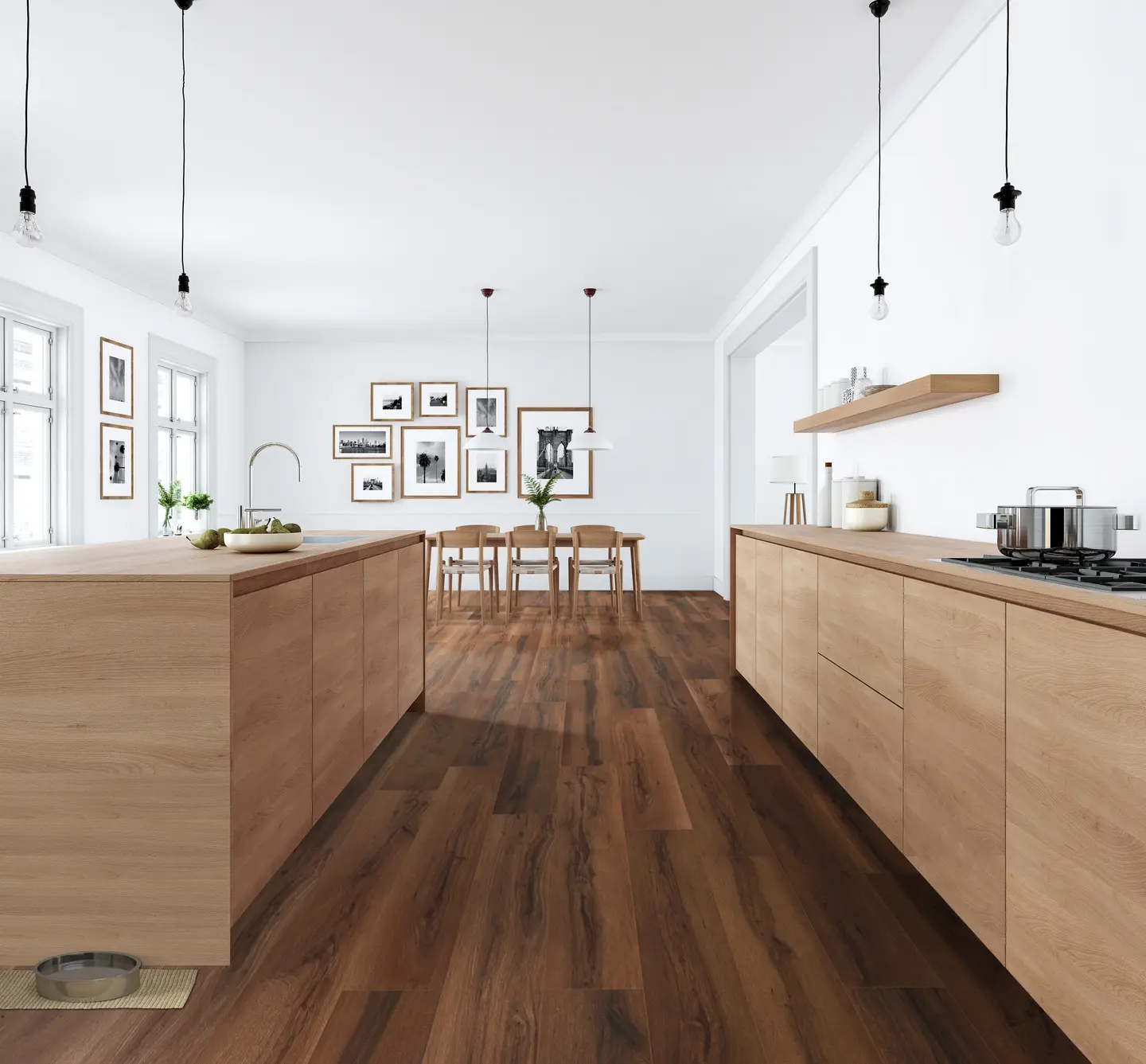
It's worth putting these durability concerns in perspective. The biggest variable is wear-layer thickness, measured in mils. Builder-grade vinyl often uses a 6-mil wear layer that scuffs and dulls within a few years, while premium residential planks use 12-mil to 20-mil layers rated for a decade or more of heavy use. Sharp objects and unprotected furniture legs are the most common cause of tears, so felt pads and entry mats go a long way. When damage does occur, the fix is usually a single-plank replacement rather than redoing the whole floor — far less disruptive than refinishing a scratched hardwood room.
Comfort and Feel Issues
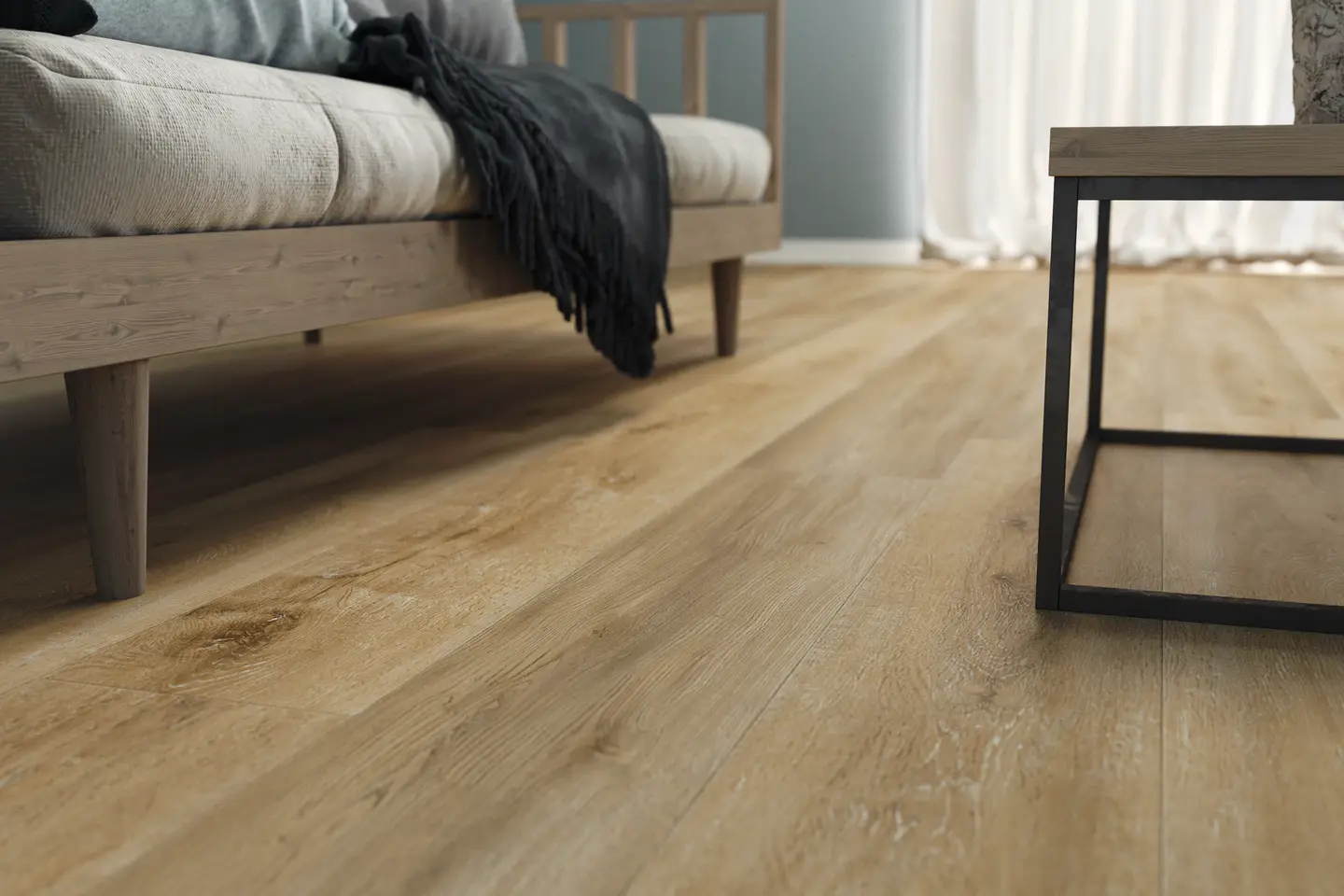
While functional, vinyl flooring may not provide the comfort you're seeking:
- Cold underfoot: Vinyl can feel cold, especially in winter months
- Hard surface: Less comfortable for extended standing compared to natural materials
- Artificial appearance: Even high-quality vinyl may not convincingly replicate natural materials
Installation Challenges
Proper vinyl installation requires attention to detail:
- Subfloor preparation: Requires perfectly smooth, clean subfloors
- Temperature sensitivity: Must acclimate to room temperature before installation
- Expansion gaps: Improper expansion planning can cause buckling
- Moisture issues: Poor installation can trap moisture and cause problems
Long-term Considerations
Think about these factors for long-term satisfaction:
- Resale value: May not add as much value to your home as natural materials
- Style longevity: Trends in vinyl patterns may become dated
- Replacement costs: When it's time to replace, disposal can be expensive
Making an Informed Decision
Understanding these downsides doesn't mean vinyl flooring is wrong for you. Consider:
- Your budget and priorities
- The specific room and usage patterns
- Your environmental concerns
- Long-term plans for your space
At Cavalieri Flooring, we believe in transparency. While we offer premium vinyl collections like our Legends, Laguna, Longboards, and Select lines, we want you to make the best choice for your specific needs. Our vinyl products are designed to minimize many of these concerns through superior construction and materials.
Putting Vinyl's Downsides in Context
Every flooring material has trade-offs — there is no perfect floor. The honest way to evaluate vinyl's downsides is to weigh them against the alternatives you would actually consider for the same room and budget. Hardwood is beautiful and adds resale value, but it scratches, dents, and cannot tolerate the moisture that vinyl shrugs off — a real concern in Florida kitchens, baths, and slab-on-grade homes. Tile is virtually indestructible and waterproof, but it is cold, hard, and unforgiving underfoot, and grout lines demand ongoing maintenance. Laminate looks great and resists scratches well, but most laminate still swells if water sits on the seams.
Seen this way, vinyl's drawbacks — a hard, sometimes cool surface and the need for a quality product and proper installation — are modest compared to its strengths. For the majority of Orlando homeowners who want a waterproof, low-maintenance, realistic-looking floor at a reasonable price, vinyl's downsides are easily managed by buying the right grade and having it installed correctly. If you want to compare the two most popular budget-friendly options directly, our vinyl vs. laminate guide breaks down the differences room by room.
How Modern Vinyl Overcomes These Downsides
Most of the complaints people have about vinyl flooring come from older, builder-grade products — the thin, glue-down sheet vinyl of decades past. Today's rigid-core luxury vinyl plank (LVP) is a completely different product, engineered specifically to address the weaknesses listed above. If you're weighing vinyl against other materials, it's worth understanding how far the technology has come.
- Thicker wear layers: Premium LVP now comes with 12-mil, 20-mil, and even 28-mil wear layers. A 20-mil or thicker wear layer resists the scratches, scuffs, and gouges that plagued cheap vinyl, making it suitable for busy households and even light commercial use. Wear-layer thickness is the single most important spec when judging vinyl durability.
- Rigid SPC and WPC cores: Stone Plastic Composite (SPC) and Wood Plastic Composite (WPC) cores give modern planks the rigidity to bridge minor subfloor imperfections and resist denting from heavy furniture — a direct fix for the "tears and punctures" concern of soft, flexible vinyl.
- Attached underlayment: Many premium planks include an attached cork or foam pad that adds warmth underfoot and reduces the "cold and hard" feeling, addressing the comfort complaint directly.
- Enhanced UV coatings: Better surface coatings and aluminum-oxide finishes resist fading far better than the vinyl of even ten years ago — important in sun-drenched Florida rooms.
- Realistic embossed-in-register texture: High-definition printing and embossing that aligns texture with the visual grain make today's planks nearly indistinguishable from real hardwood, answering the "looks artificial" objection.
Vinyl Flooring Downsides in Florida's Climate
Central Florida's heat, humidity, and abundant sunshine put unique demands on any flooring. The good news is that vinyl is one of the best-performing floors for our climate — but there are a few region-specific drawbacks worth knowing before you buy in the Orlando area.
- Heat expansion near sliding glass doors: Vinyl expands and contracts with temperature. Planks installed in direct sun near large windows or lanai doors can expand if expansion gaps aren't planned correctly. A professional installer accounts for this; a rushed DIY job often doesn't.
- Fading in high-UV rooms: Florida sunrooms and west-facing living rooms get intense afternoon sun. Lower-grade vinyl without quality UV inhibitors can fade over years — another reason to choose a premium product with a strong wear-layer coating.
- Subfloor moisture telegraphing: While vinyl itself is waterproof, our slab-on-grade homes emit ground moisture. Vinyl traps that moisture if the slab isn't tested and prepped, which is why proper subfloor preparation matters more here than in drier climates.
The bottom line for Orlando homeowners: vinyl's downsides in our climate are almost entirely preventable with the right product grade and a proper professional installation.
Frequently Asked Questions About Vinyl Flooring Downsides
Is vinyl flooring bad for your health?
Reputable, certified vinyl flooring sold today is tested for indoor air quality. Look for FloorScore or GREENGUARD Gold certification, which verifies low VOC emissions. Cheap, uncertified imports are the products to avoid. All vinyl we carry meets recognized low-emission standards.
Does vinyl flooring decrease home value?
Premium luxury vinyl plank generally has a neutral-to-positive effect on resale in mid-range homes, especially in Florida where buyers prioritize waterproof, low-maintenance floors. In luxury homes, genuine hardwood may still command a premium, but modern LVP is widely accepted by today's buyers.
How long does vinyl flooring last?
Quality LVP with a 20-mil or thicker wear layer typically lasts 20–25 years in a residential setting, often backed by lengthy manufacturer warranties. Budget vinyl with a thin wear layer may only last 5–10 years, which is where many "vinyl doesn't last" complaints originate.
Can damaged vinyl planks be replaced?
Yes. Click-lock floating LVP can be disassembled to reach and swap a damaged plank, and glue-down planks can be individually cut out and replaced. We always recommend keeping a few spare planks from your original lot for color-matched repairs down the road.
Is vinyl or laminate better for Florida homes?
For most Florida homes, waterproof vinyl wins because it tolerates humidity and spills better than laminate. See our full vinyl vs. laminate comparison for a side-by-side breakdown.
Need Help Choosing the Right Floor?
Our flooring experts are ready to help you find the perfect match for your space.
Or call us now: (321) 424-0546
Recommended Products
Related Articles & Resources
Ready to explore vinyl options?
Browse our premium vinyl collections and speak with our experts about finding the right flooring solution for your home.
Shop Vinyl Collections