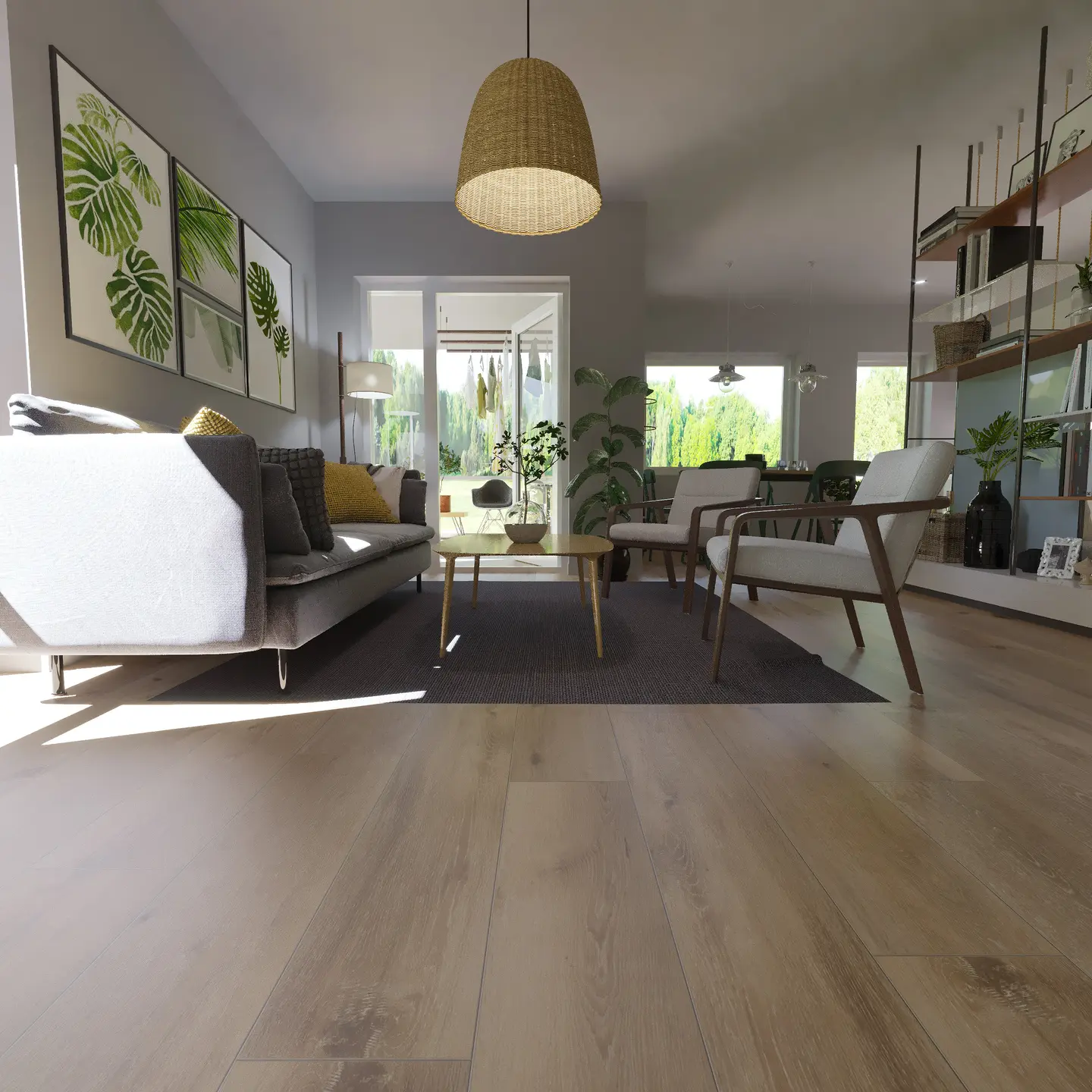
Over 106 million Americans are battling allergies in 2026. Many don't realize their own floors harbor the very triggers causing their respiratory distress. You're likely tired of the constant sneezing and the endless battle against dust that settles the moment you finish cleaning. It's frustrating when your home feels like a contributor to your irritation rather than a refuge. Choosing the right flooring for allergy sufferers is the first step toward reclaiming your comfort.
You deserve a stylish home that's easy to sanitize and free from the fear of chemical off-gassing. We'll show you how the right hard-surface materials can drastically reduce indoor allergens and improve your home air quality. This guide covers the best options for 2026, including luxury vinyl plank, hardwood, and porcelain tile. You'll learn which low-emission certifications to look for and how a professional installation ensures your new floors contribute to a cleaner, more breathable home.
★ Key Takeaway
Non-porous hard-surface flooring eliminates the "sink effect" that traps dust and pollen in carpet fibers. LVP, porcelain tile, and pre-finished hardwood are the top choices for allergy sufferers when combined with low-VOC adhesives and professional installation.
Why Your Choice of Flooring Dictates Your Indoor Air Quality
Americans spend approximately 90% of their time indoors. According to the EPA, indoor pollutant concentrations are often two to five times higher than those found outside. Your choice of flooring for allergy sufferers is the most critical decision in managing these pollutants. Most people don't realize their floors act as a massive collection plate for environmental triggers. These triggers include the "Big Four" allergens: dust mites, pet dander, mold spores, and pollen.
Hypoallergenic flooring is defined by its non-porous nature. These surfaces do not allow particulate matter to sink into the material. Instead, allergens remain on the surface where they are easily removed with a damp mop or a HEPA vacuum. This lack of porosity is what makes hard-surface materials like luxury vinyl plank or porcelain tile so effective. By selecting the right flooring for allergy sufferers, you take the first step toward a cleaner, healthier home environment.
Porous materials like carpet create what experts call the "Sink Effect." They act as deep reservoirs for dust and dander. Gravity pulls these microscopic particles deep into the fibers and padding. Once they are buried, they are nearly impossible to fully extract. Hard-surface flooring for allergy sufferers eliminates this reservoir entirely, providing a cleanable surface that doesn't hide health hazards.
The Hidden Danger of Volatile Organic Compounds (VOCs)
VOCs are chemicals that "off-gas" from flooring materials and adhesives over time. This process is a primary concern for respiratory health, as these gases can cause immediate irritation or long-term sensitivity. Modern hard-surface floors are engineered specifically for lower emissions. In 2026, industry standards like FloorScore and GREENGUARD Gold have become essential benchmarks. These certifications ensure that products meet strict California Section 01350 standards for indoor air quality.
Carpet vs. Hard Surface: The Hygiene Gap
There is a significant hygiene gap between fibrous materials and solid planks. Vacuuming carpet often creates a secondary issue; the mechanical action can kick fine allergens back into the air. This creates a cycle of respiratory irritation. Hard surfaces represent the sanitary standard for modern homes. They don't provide the organic matter or the "nesting" environment required for dust mites to thrive. Maintenance is straightforward and effective, ensuring that what you clean stays clean.
The Top Hypoallergenic Flooring Materials: A Deep Dive
Selecting the best flooring for allergy sufferers requires looking beyond aesthetics. You need materials that actively repel dust and inhibit mold growth. Porcelain tile is the gold standard for a sterile environment. It's an inorganic material, meaning it doesn't provide a food source for mold or bacteria. Because it's fired at extreme temperatures, it's completely non-porous. This makes it impossible for allergens to penetrate the surface. Cleanup is simple — a damp mop removes 99% of surface particles.
Laminate and bamboo also offer excellent defense against environmental triggers. High-quality laminate features a dense wear layer that resists deep scratches where dust often hides. Bamboo is naturally hypoallergenic and highly durable. It's a great choice for those building an allergy-free and eco-friendly home. Both materials are easy to maintain and offer a wide range of styles that complement any interior design.
Luxury Vinyl Plank (LVP) and Air Quality
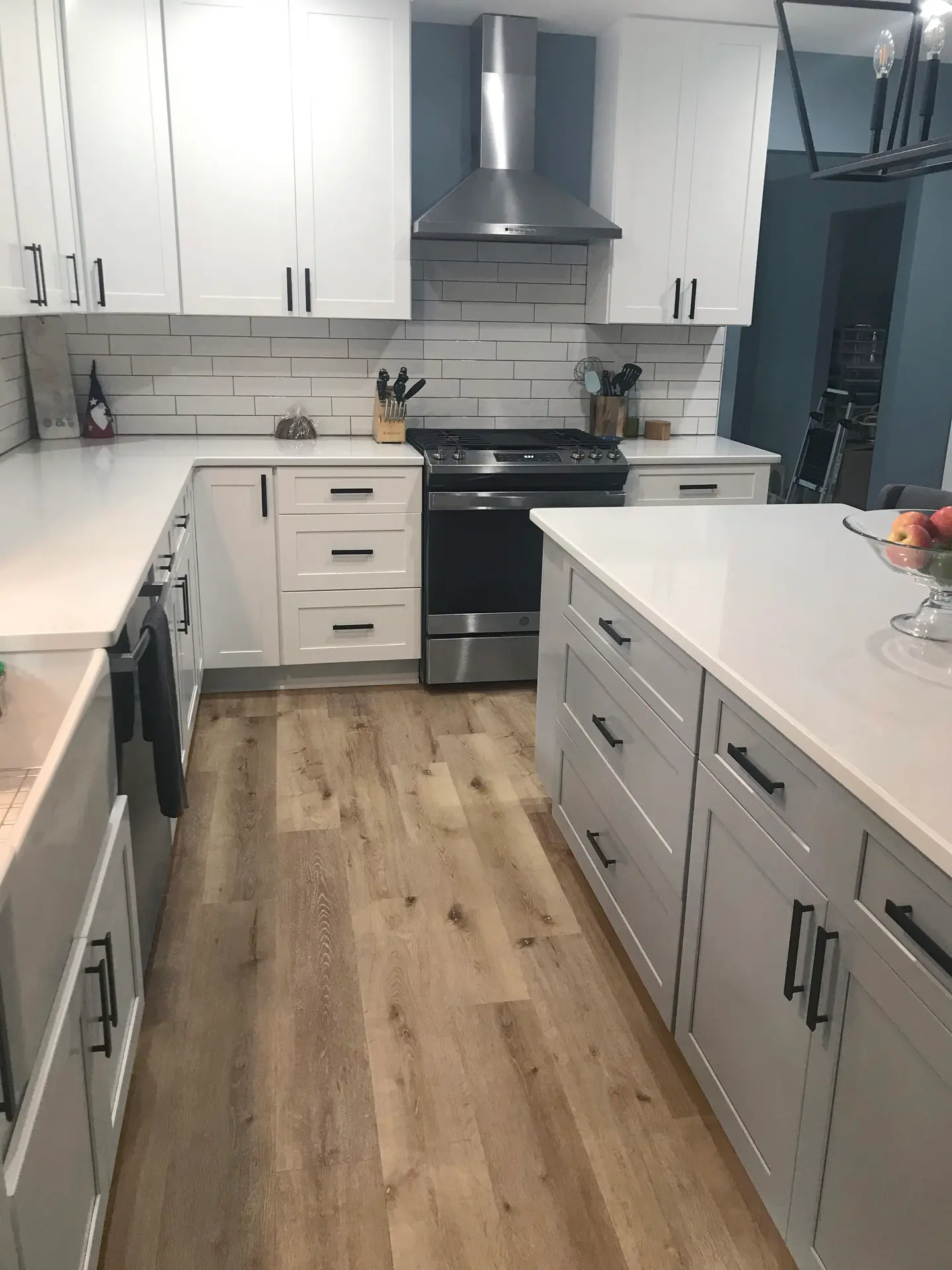
LVP has become a modern favorite for its practical health benefits. Most high-quality LVP features click-lock installation. This method eliminates the need for liquid adhesives, which are a common source of VOCs. Its waterproof nature is another vital advantage. Spills stay on the surface instead of seeping into the subfloor. This prevents hidden mold growth that often plagues older homes with porous surfaces. To maintain a healthy environment, simply damp-mop the floor. This quick routine removes allergens without introducing moisture that could fuel mold growth.
Hardwood and Bamboo: The Natural Choice
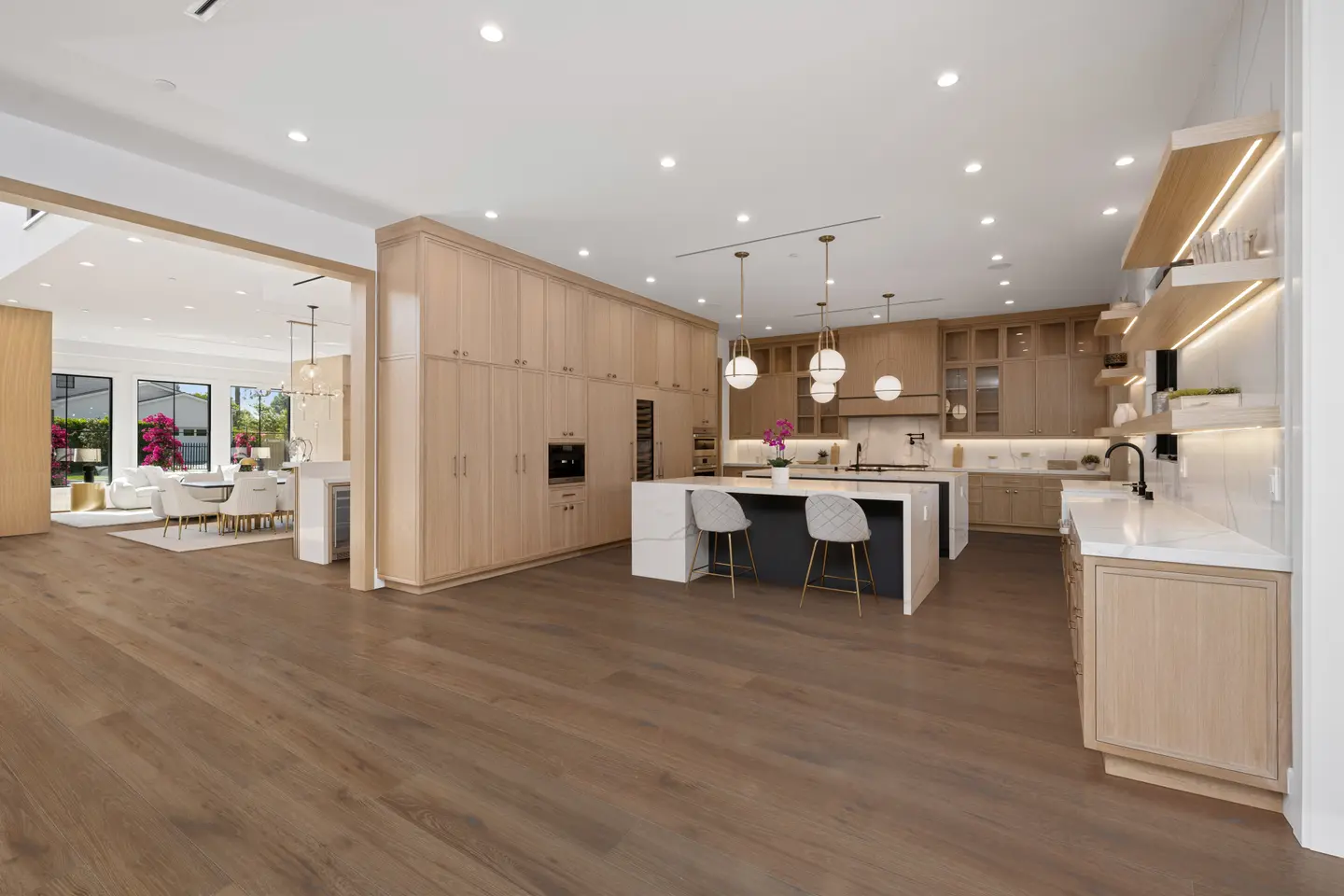
Natural wood is a timeless option, but the finishing process is what matters for your health. We recommend pre-finished engineered hardwood for allergy sufferers. These planks are finished in a controlled factory environment. This ensures the coatings are fully cured before they ever enter your home. You avoid the strong fumes and fine dust associated with on-site sanding and staining. The high density of species like white oak or bamboo prevents pet dander and pollen from becoming embedded in the grain.
Hypoallergenic Scorecard: Comparing Performance and Style
Selecting the best flooring for allergy sufferers requires a systematic approach. You must balance visual appeal with the physical properties that prevent allergen buildup. While aesthetics drive the design, the material's density and finish dictate your long-term health outcomes. Evaluate your options using this performance scorecard to find the right fit for your household's specific needs.
- Porcelain Tile: 5/5 for Allergen Resistance. It's inorganic and resists mold. 5/5 for Ease of Cleaning. 5/5 for VOC Levels.
- Luxury Vinyl Plank (LVP): 4/5 for Allergen Resistance. 5/5 for Ease of Cleaning due to waterproof seams. 4/5 for VOC Levels; look for FloorScore certification.
- Hardwood Flooring: 4/5 for Allergen Resistance. 3/5 for Ease of Cleaning; requires specific care. 5/5 for VOC Levels when pre-finished.
- Laminate Flooring: 4/5 for Allergen Resistance. 4/5 for Ease of Cleaning. 4/5 for VOC Levels in modern, high-density versions.
Durability is a health factor that many homeowners overlook. A floor that scratches or cracks easily creates new hiding spots for dust and moisture. If a material degrades, its hypoallergenic properties vanish. High-quality hard surfaces remain effective for decades. This longevity is why 61% of people in 2026 prioritize air quality over other home amenities. Investing in premium materials ensures your home remains easy to sanitize and free from respiratory triggers for the life of the floor.
Best Flooring for Dust Mite Allergies
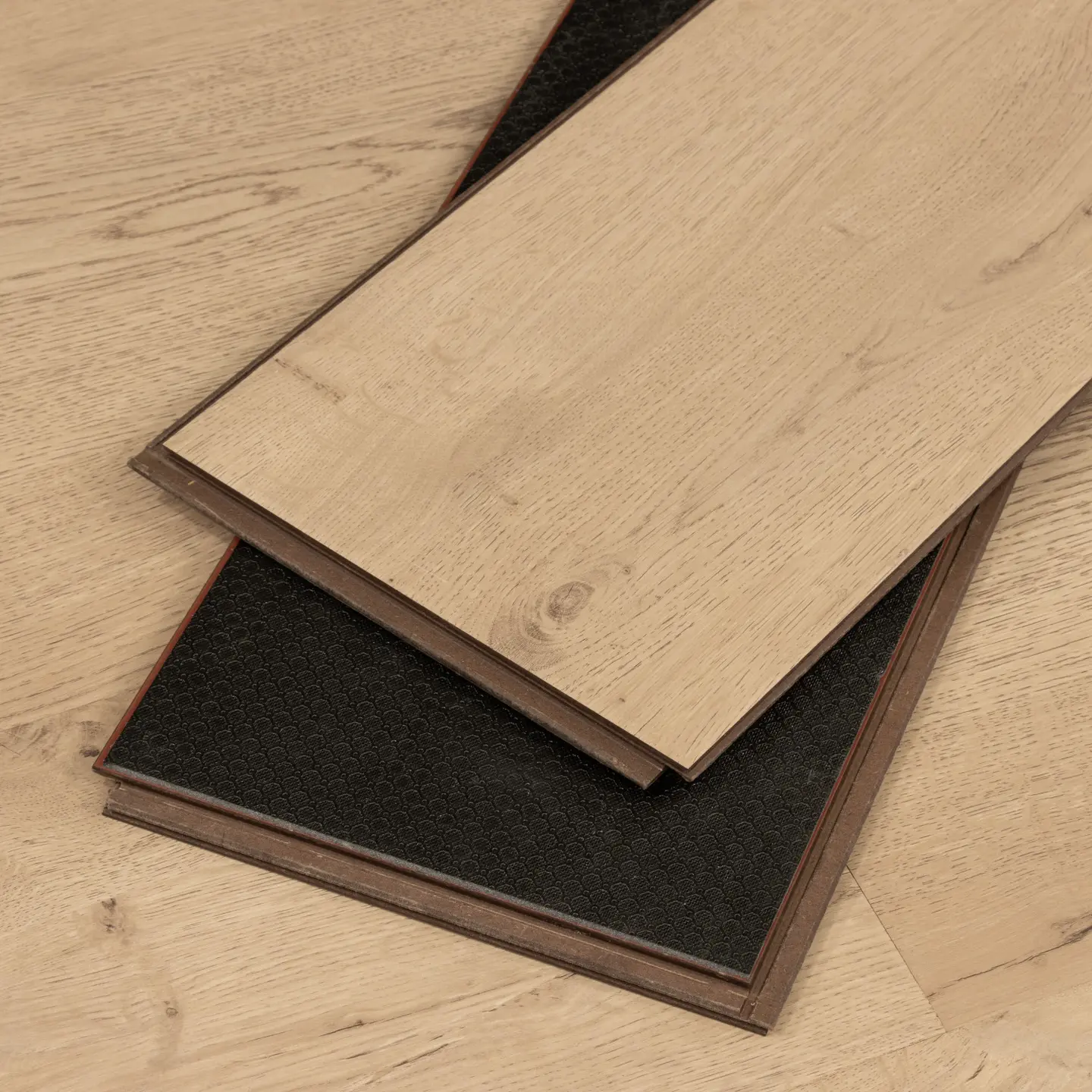
Dust mites thrive in humid environments with plenty of hiding places. To eliminate them, choose the smoothest surfaces possible. Porcelain tile and high-quality laminate are the top recommendations for these cases. These materials offer no fibers or deep textures where mites can nest. Seamless professional installation is a critical factor here. It ensures that gaps between planks or tiles are minimized. When there are no crevices, there is nowhere for microscopic triggers to hide.
Best Flooring for Pet Owners with Allergies
Pet dander is a persistent challenge for many families. If you have pets, LVP is your strongest ally. Its scratch-resistant wear layer prevents the surface damage that traps dander. The waterproof seams are equally important; they prevent pet accidents from reaching the subfloor and fueling mold growth. Choose textures that provide traction for paws but remain smooth enough for a quick wipe. Hard surfaces ensure that dander sits on top. You can remove it in seconds with a damp cloth or microfiber mop.
Beyond the Material: The Role of Professional Installation
Selecting the ideal flooring for allergy sufferers is only half the battle. The way those materials are installed determines whether your home remains a healthy sanctuary or becomes a trap for hidden triggers. Poor installation often leads to microscopic gaps and moisture traps. These issues fuel mold growth and allow dust to accumulate where you can't reach it. Professional execution ensures that your investment actually delivers the air quality improvements you expect.
Subfloor preparation is the most critical step in the process. Moisture is the silent enemy of indoor air quality. Our installers verify subfloor moisture levels before laying a single plank or tile. This prevents mold and mildew from growing undetected beneath your new floors. When a project requires adhesives, we prioritize low-VOC or zero-VOC products. This choice eliminates the chemical off-gassing that often causes immediate respiratory irritation for sensitive individuals. Tight, professional seams ensure that dust, pet dander, and pollen have no crevices to settle into over time.
The Importance of Hypoallergenic Underlayment
The layer beneath your floor is just as important as the surface you see. Specialized hypoallergenic underlayment acts as a dedicated moisture barrier. Many modern underlayment materials now feature built-in antimicrobial properties. These additives prevent the growth of bacteria and fungi in the space between your subfloor and the finish material. High-quality underlayment also provides essential sound dampening. It achieves this without using the porous, dust-trapping materials found in older padding products.
Dustless Refinishing: Restoring Hardwood Safely
You don't always need to replace your existing hardwood to improve your air quality. However, traditional sanding creates a massive amount of fine particulate matter. This dust can linger in your home and HVAC system for months, triggering constant sneezing. We use advanced dust-containment sanding technology for every hardwood refinish project. This system captures nearly all dust at the source before it can become airborne. It's the only safe, professional way for allergy sufferers to restore the beauty of their natural wood floors without compromising their health.
Creating a Healthy Home with Cavalieri Flooring's Solutions
Improving your home's air quality is a long-term investment in your daily well-being. Hard-surface flooring for allergy sufferers remains the superior choice for health because it eliminates the hidden reservoirs where microscopic triggers thrive. By moving away from porous materials that trap dust and dander, you take total control of your indoor environment. You transform your living space from a collection point for pollutants into a cleanable, breathable sanctuary. It's a practical shift that yields immediate results for your respiratory health.
Cavalieri Flooring is committed to this standard of excellence. We provide only premium, low-emission materials that meet the rigorous industry certifications discussed in this guide. Our expert installation ensures these products perform exactly as intended. You get more than just a beautiful floor; you get a comprehensive solution for a healthier home. Our curated selection of luxury vinyl plank, hardwood, and porcelain tile is designed to meet the highest standards of both aesthetics and hygiene.
Maintenance becomes a simple, effective routine rather than a frustrating chore. Hard surfaces allow you to see exactly where dust and pet hair settle. A quick damp mop or a HEPA-filter vacuum is all it takes to remove 99% of surface allergens. You no longer have to worry about deep-seated particles that traditional cleaning methods can't reach. This ease of maintenance ensures long-term allergy relief and a home that stays sanitized with minimal effort. It's a straightforward path to a more comfortable life.
Our Professional Installation Process
Our installation process is designed for maximum precision and customer confidence. We follow a methodical, organized approach to every project we undertake. This focus on detail prevents the gaps, moisture traps, and subfloor issues that can compromise your air quality. We prioritize durability and your long-term satisfaction in every room. Our team ensures that your flooring for allergy sufferers is installed using the safest, lowest-emission materials available today. View our hard-surface flooring collections to explore the high-quality options we offer for your Orlando home.
Expert Consultation for Your Healthy Home
Choosing the right material for your specific allergy needs shouldn't be a guessing game. We act as your knowledgeable partner throughout the entire selection process. Whether you need the waterproof resilience of LVP for a pet-friendly home or the inorganic purity of porcelain tile for severe asthma, we help you decide based on your household's unique requirements. Contact us at (321) 424-0546 or visit our showroom at 4301 36th St #101, Orlando, FL 32811 for a personalized consultation.
Frequently Asked Questions
Is laminate flooring safe for people with severe allergies?
Laminate is a safe and effective choice for severe allergy sufferers. Its dense wear layer prevents particulate matter from becoming embedded in the surface. High-quality laminate doesn't provide the organic food source required for mold growth. Regular sweeping and damp mopping remove nearly all surface triggers quickly and efficiently.
What is the easiest flooring to keep free of pet dander?
Luxury Vinyl Plank (LVP) is the easiest material to keep free of pet dander. Its smooth surface ensures dander sits on top rather than sinking into deep fibers. The waterproof nature of LVP allows for frequent sanitizing without damaging the planks. This makes it a top choice when selecting flooring for allergy sufferers with pets.
Does hardwood flooring harbor dust mites?
Hardwood flooring does not harbor dust mites. These microscopic pests require warmth, humidity, and deep fibers found in porous materials to survive. Solid or engineered hardwood provides a hard, dry surface that is inhospitable to mites. Keeping your wood floors clean ensures these triggers never have a place to settle or multiply.
What does "Low-VOC" actually mean for my indoor air quality?
Low-VOC refers to products that release minimal Volatile Organic Compounds into your home environment. These chemicals cause "off-gassing" which can irritate the respiratory system and cause headaches. For the best flooring for allergy sufferers, look for FloorScore or GREENGUARD Gold certifications. These standards verify that materials meet strict limits for chemical emissions.
Can I still use area rugs if I have allergies?
You can use area rugs if you choose low-pile or flat-weave options that are easy to clean. These don't trap as much dust as thick shag rugs or traditional carpets. Ensure the rug is washable and use a hypoallergenic pad. Avoid heavy rubber backings that can trap moisture against your hard floors and encourage hidden mold growth.
How does professional installation prevent mold growth under floors?
Professional installation prevents mold by ensuring the subfloor is dry and level before any material is laid. Installers use specialized moisture meters to check for hidden dampness. They also apply moisture barriers and antimicrobial underlayment. These steps stop mold from growing in the dark, unventilated space beneath your floorboards.
Is porcelain tile better than vinyl for asthma sufferers?
Porcelain tile is often considered the ultimate choice for asthma sufferers because it's completely inorganic. It contains zero VOCs and cannot support mold or bacterial growth under any circumstances. While high-quality vinyl is an excellent hypoallergenic option, porcelain's extreme density and heat-fired finish make it the most sterile surface available for a home.
What is dustless hardwood refinishing and why does it matter?
Dustless hardwood refinishing uses specialized HEPA-filtered vacuum systems to capture nearly all sanding dust at the source. This technology is vital for allergy sufferers because it prevents fine wood particles from settling in your HVAC system or furniture. It allows you to restore your floors professionally without the massive cleanup or respiratory irritation associated with traditional sanding.
Ready to Breathe Easier in Your Orlando Home?
Get a free estimate for hypoallergenic flooring. Cavalieri Flooring serves all Orlando neighborhoods with low-VOC, allergy-friendly materials.
Or call us now: (321) 424-0546
Related Articles & Resources
Transform Your Home into a Breathable Sanctuary
Your home should be a place where you can breathe freely. At Cavalieri Flooring in Orlando, we help you select the perfect hypoallergenic flooring — from low-VOC LVP to inorganic porcelain tile — and install it with the precision your health deserves.
Schedule Free Estimate